
The provincial government of Lanao del Sur successfully mediated the settlement of a long-standing “rido,” or clan feud, between two families on March 4, marking a significant step toward restoring peace and stability in the province.
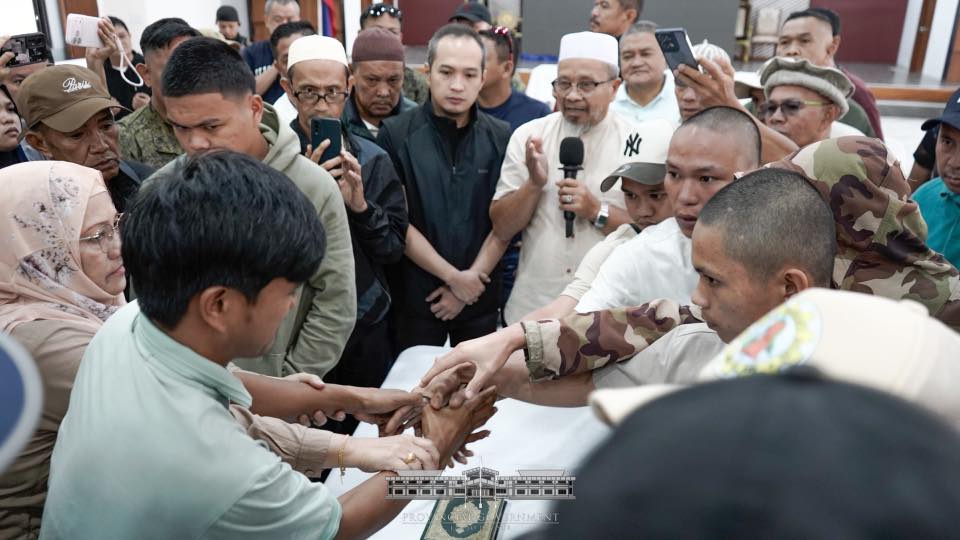
The reconciliation was facilitated under the leadership of Governor Mamintal “Bombit” Alonto Adiong Jr. and Vice Governor Mohammad Khalid “Mujam” Raki-in Adiong, with support from the provincial government’s key institutions. Among those who participated in the peace process were members of the Sangguniang Panlalawigan, the Provincial Advisory Council, the Provincial Council of Elders, the Provincial Security Force, and representatives from the security sector.
Local officials said the settlement was achieved through dialogue in a secure and neutral setting, allowing both parties to openly air their grievances and concerns. Through the mediation process, the families reached a peaceful agreement aimed at ending the conflict and rebuilding relations.
The timing of the reconciliation was described as particularly meaningful as it took place during the holy month of Ramadan, a period observed by Muslims as a time for reflection, humility, and forgiveness.
Provincial leaders emphasized that the decision of the feuding families to reconcile during Ramadan reflects the true spirit of Islam and highlights the importance of unity and forgiveness in resolving community conflicts.
Authorities said the agreement not only ends the immediate dispute but also sets the foundation for stronger relations between the families and their communities moving forward.
Rido, a form of clan-based conflict that can stem from personal disputes, land issues, or political rivalries, has historically contributed to cycles of violence in parts of Mindanao. Local governments and traditional leaders have increasingly worked together to mediate such conflicts through dialogue and community-based peace mechanisms.
Officials in Lanao del Sur expressed hope that the peaceful settlement would serve as a model for other communities facing similar disputes, demonstrating that reconciliation and understanding remain possible through cooperation, respect for tradition, and collective commitment to peace.