
By any measure, what happened in Barangay Malinan on November 24 is not just another “incident,” not just another item in a police blotter, not just another clash in a long list of forgotten conflicts. It is a deep wound—fresh, bleeding, and reopening the scars that generations of Mindanaoans have struggled so hard to heal.
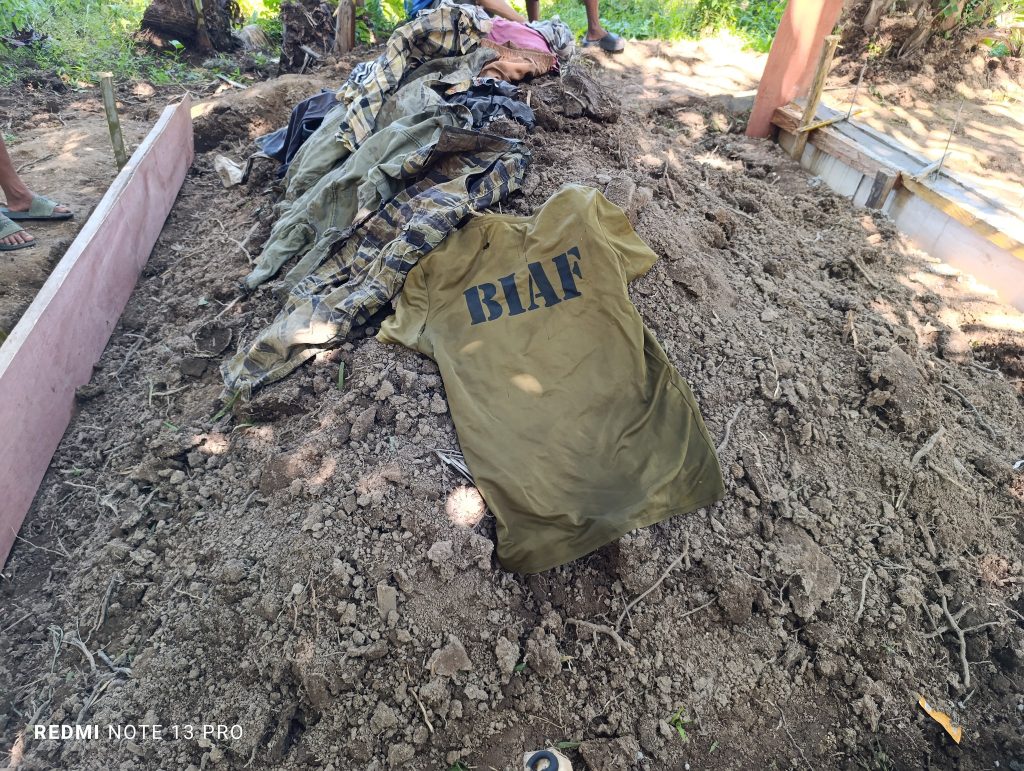

Seven men—five from the MILF and two from the MNLF—were killed in cold blood at dawn over a piece of land that has claimed far too many lives already. These were not faceless names. They were fathers, brothers, farmers, commanders, men who once stood as symbols of peace after years of war, now reduced to casualties of a violence we should have long outgrown.
And yet here we are again—burying the dead, evacuating families, comforting widows, and pretending this cycle is “normal.”
It is not. It never was. And it should never be again.
A land dispute, yes—but also a failure of a system meant to protect peace
Authorities and community leaders have pointed to a familiar root cause: land. A decades-old dispute, overlapping claims, political boundaries that blur rather than clarify, and the painful legacy of rido that has outlived peace agreements, negotiations, and countless dialogues.
But let us be honest: land is only the spark. The real fuel is the failure of institutions—local and regional—to intervene early, decisively, and consistently.
For months, residents in Estado, Malinan, and surrounding sitios have lived in fear. They have reported armed men entering farms, harvesting crops they didn’t plant, seizing livestock, patrolling at night, and asserting ownership at gunpoint. They have evacuated repeatedly—124 families on October 14, 14 families on October 31, 20 families again on November 24—a clear sign of escalating tension.
Where were the peace mechanisms when they were most needed? Where were the early interventions? Why did it take seven corpses before everyone decided to sit down and talk?
Peace is not maintained by mourning the dead. Peace is maintained by acting before the first gunshot is even fired.
The tragedy that awakened old ghosts
What makes this incident even more painful is its potential to resurrect old hostilities long laid to rest. Both the MILF and MNLF have long embraced the path of peace, transitioning from armed struggle to political participation—and their efforts should not be dismissed.
But violence involving both groups, even when caused by local disputes, carries heavy emotional and historical weight. It triggers old memories, fuels mistrust, and breeds suspicion among communities that are already walking on eggshells.
This is why the killings in Malinan are dangerous. They are not isolated. They risk becoming symbolic—another reminder of unresolved grievances, unkept promises, and the fragile nature of peace in communities that have seen too much war.
The land is not the only thing contested here. Trust is too—and trust, once shaken, takes generations to rebuild.
Displacement as the silent casualty
In all the discussions about affiliations, commanders, territorial lines, legal action, and investigations, we must not forget the people who always suffer the most: the civilians.
Thirty families fled Sitio Tuburan right after the killings. Schools suspended classes. Farmers abandoned their crops yet again. The provincial government rushed hygiene kits to 76 displaced families now cramped inside a temporary evacuation area.
Imagine having to flee again and again because someone else decided your land is theirs. Imagine trying to harvest crops while hearing sporadic gunfire. Imagine sending your child to school knowing that gunmen roam the edges of your barangay.
This is the Mindanao we refuse to talk about—the Mindanao that bleeds silently while the rest of the country looks away.
The endless loop: condemn, investigate, deploy troops, repeat
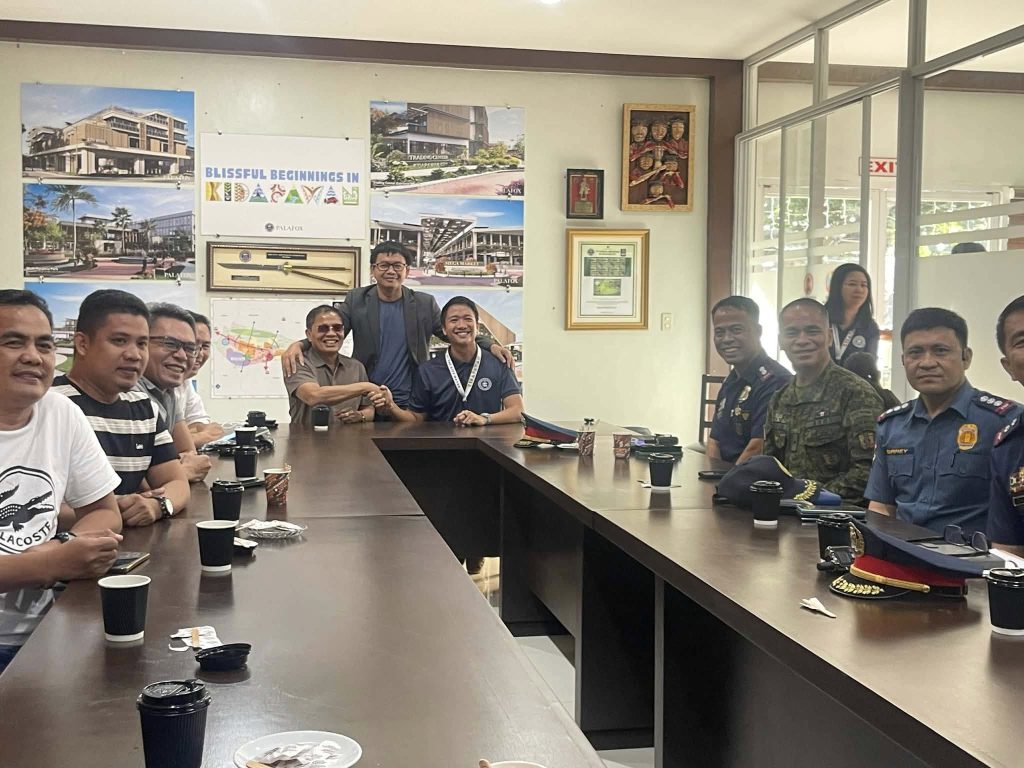
Statements of condemnation have poured in—from CPPO, Kidapawan CPS, MILF-AHJAG, MNLF, BHRC, mayors of Kidapawan and Tugunan, and BARMM leaders. All of them vow justice, transparency, cooperation.
But condemnation without structural reform is just noise.
Investigations without prosecution are delays disguised as progress.
Troop deployment without long-term peacebuilding is a band-aid over an open wound.
If every cycle ends with “We will launch an investigation” but no one is ever truly held accountable, then what message do we send to the next group who believes bullets can settle land disputes?
Land—sacred in Mindanao, mishandled by the system
Land in Mindanao is identity. Legacy. Ancestry. Survival. History. Too many policies—some decades old—overlap, contradict each other, or simply ignore the realities on the ground. For many Indigenous Peoples and local Moro clans, titles were inaccessible for generations, leaving large swaths of agricultural land vulnerable to claims, counterclaims, and violent assertion.
We cannot keep pretending that rido is a purely cultural issue. It is a governance issue. A justice issue. A failure of land administration, boundary mapping, cadastral work, conflict mediation, and law enforcement.
Until land conflicts are addressed head-on, no peace agreement—no matter how historic—can fully protect communities from violence.
So until when?
This is the question every mother in Estado and Malinan wants answered.
Until when will families pack and repack their belongings, ready to run at every crack of gunfire?
Until when will MILF and MNLF leaders bury their members while insisting they are committed to peace?
Until when will local governments say they are “coordinating,” even when tensions simmer for months?
Until when will we allow armed men to decide who owns land?
Until when will widows grieve the way their mothers once did?
The answer cannot be “until the next tragedy forces authorities to care again.”
What needs to happen now
This moment demands not just response, but transformation.
1. Establish a permanent, well-funded, multi-sectoral land conflict resolution mechanism.
One that includes BARMM, local governments, IP councils, land agencies, and peace mechanisms—not only when violence happens, but before it does.
2. Conduct a full cadastral and historical land use review in the Malinan–Estado corridor.
Disputed lands must be mapped, claims verified, and boundaries legally settled—no matter how politically sensitive.
3. Hold perpetrators accountable to restore public trust.
Not just the gunmen, but the masterminds. If no one is punished, the cycle continues.
4. Protect civilians as the highest priority.
Increase welfare support for evacuees. Ensure schools remain safe zones. Establish rapid response peace teams.
5. Strengthen coordination between MILF, MNLF, LGUs, AFP, and PNP.
Peace mechanisms exist—they must be used consistently, not only when tragedy strikes.
6. Begin community-based healing and dialogue sessions.
Because healing does not happen automatically. It requires intention, leadership, and compassion.
This cannot be another footnote in Mindanao’s history
The people of Cotabato, Kidapawan, and the Bangsamoro deserve better than recycled statements of grief and yet another Special Investigation Task Group that disappears quietly months later. They deserve more than sympathy. They deserve justice, clarity, and the assurance that their children will not inherit the same conflicts their grandparents endured.
If we truly want the peace process to endure, then it must be felt not just in government halls or negotiation rooms, but in the farmlands of Malinan, the classrooms of Estado, the evacuation centers of Matalam, and the homes of every Moro and IP family who has lived through fear for too long.
The question is no longer “What happened?”
We already know.
The real question is: What are we willing to do so it never happens again?
Because if we fail—if we allow this to fade, if we treat this as routine—then we are condemning Mindanao to live with the curse of unresolved grief.
And land—no matter how fertile—should never be watered by blood.