
Maluso, Basilan – A spirit of reconciliation and unity prevailed as community leaders, families, and local authorities successfully carried out a peaceful and amicable settlement aimed at preserving harmony and preventing deeper conflict within the community.
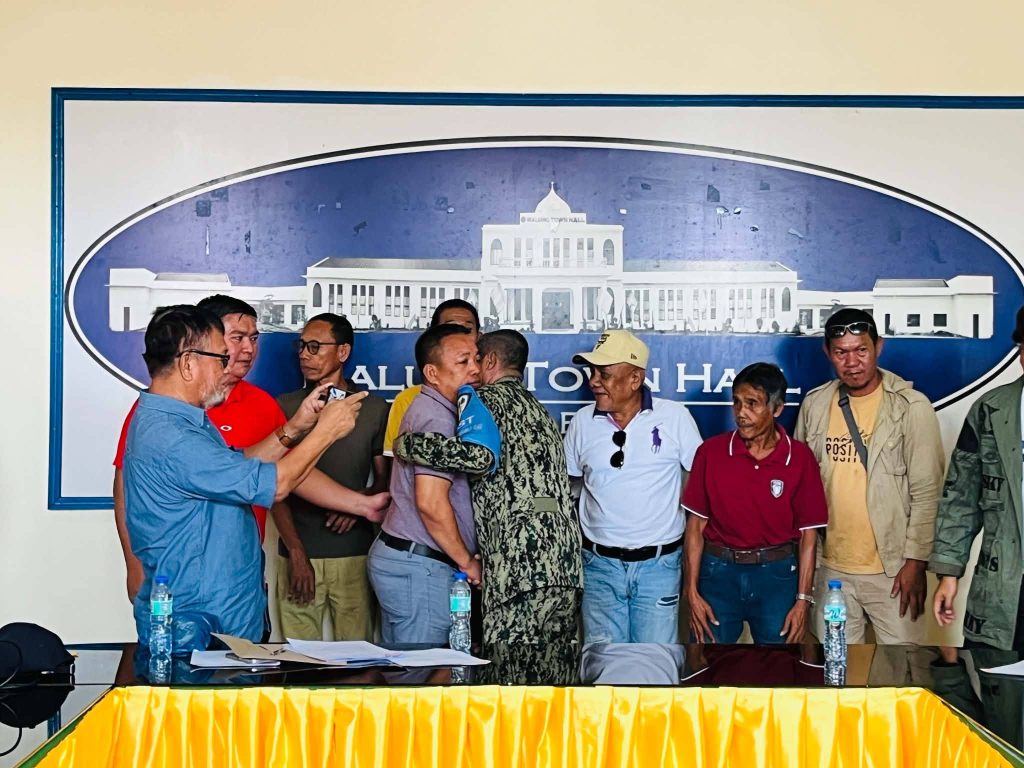
The settlement activity became a powerful demonstration of the community’s continuing commitment to dialogue, understanding, and peaceful conflict resolution—values deeply rooted in local culture and tradition. Both parties involved expressed their willingness to move forward in peace and mutual respect, setting aside differences in favor of reconciliation and stability.
During the proceedings, both sides offered sincere apologies and acknowledged the importance of restoring good relations not only between the individuals involved but also among their families and the wider community. The atmosphere was marked by openness and humility, reflecting a collective desire to prevent tensions from escalating into long-term division.
In his message, Kaiser S. Hataman emphasized the significance of amicable settlements, especially in incidents that occur unintentionally. He highlighted that forgiveness and reconciliation are essential in maintaining peace and social cohesion within communities.
Hataman also expressed gratitude to Allah SWT for the successful conduct of the settlement, underscoring the role of faith, compassion, and unity in resolving disputes peacefully. He encouraged residents to continue practicing forgiveness, understanding, and solidarity as foundations for a stronger and more peaceful society.
The activity concluded with the formal signing of the Amicable Settlement Agreement by both parties, symbolizing renewed unity, reconciliation, and a shared commitment to peace.
Present during the settlement were barangay officials, members of the Council of Elders, representatives from the Philippine National Police, and the families of both parties, all of whom showed support for the peaceful resolution of the issue.
Community leaders described the successful settlement as a reminder that conflicts can be resolved not through anger or retaliation, but through sincere dialogue, respect, and collective efforts toward healing and understanding.