
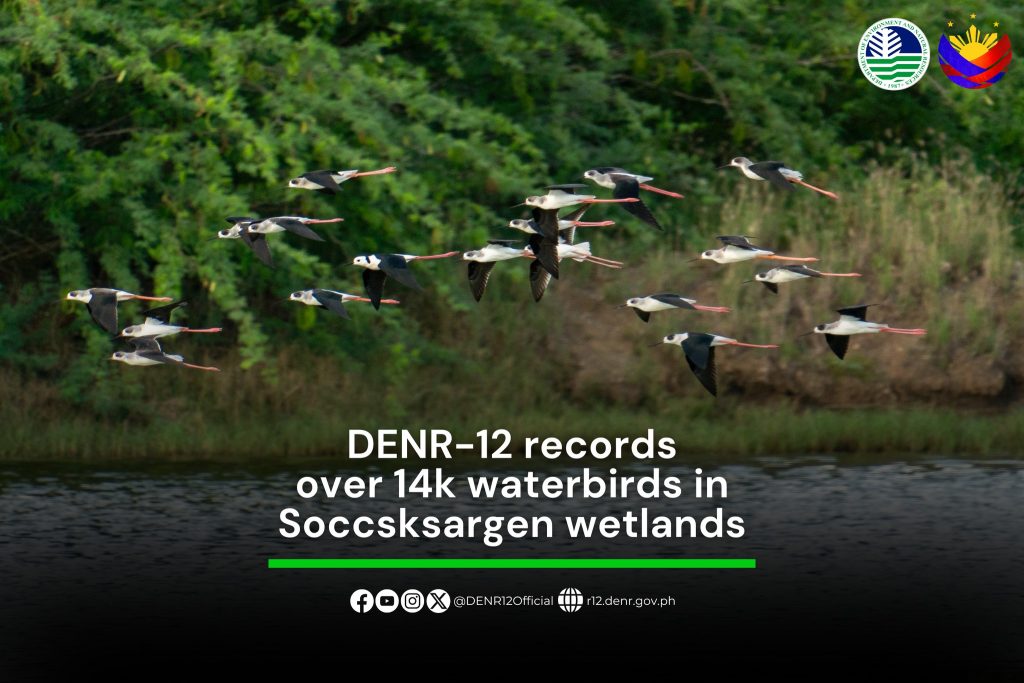
The Department of Environment and Natural Resources (DENR) Region 12 has recently documented an impressive 14,724 waterbirds thriving in various wetlands across the Soccsksargen Region. This remarkable finding was part of the Asian Waterbird Census (AWC), conducted from January 7 to 16, aimed at assessing waterbird populations, monitoring wetland conditions, and strengthening conservation efforts.
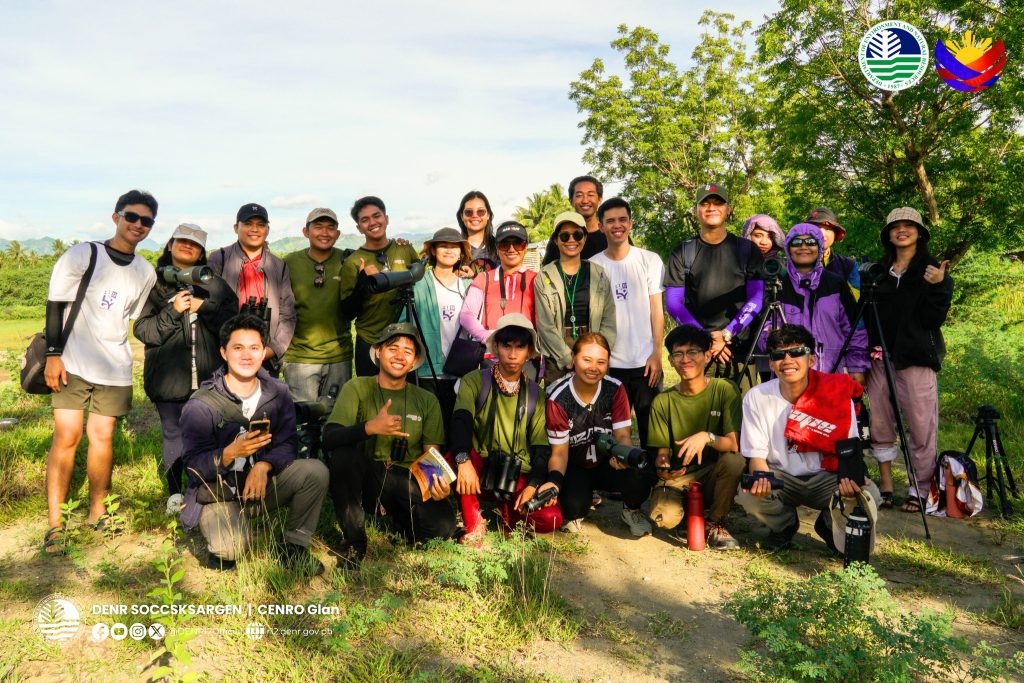
Atty. Felix S. Alicer, the regional executive director of DENR-12, emphasized the importance of the AWC in understanding the status of various waterbird species in the region. He highlighted that this annual activity not only tracks population trends but also raises awareness about the critical role of wetlands in maintaining biodiversity. Furthermore, it helps identify potential threats such as illegal hunting, ensuring that necessary protective measures are in place.
The census covered key wetland areas in M’lang and Kabacan in Cotabato, Glan, Alabel, and Kiamba in Sarangani, Lebak and Lutayan in Sultan Kudarat, Sto. Niño and Lake Sebu in South Cotabato, and General Santos City. The highest number of waterbirds was recorded in South Cotabato and General Santos City, with 5,859 individuals observed, followed by Sultan Kudarat (4,143), Cotabato (3,410), and Sarangani (1,312).
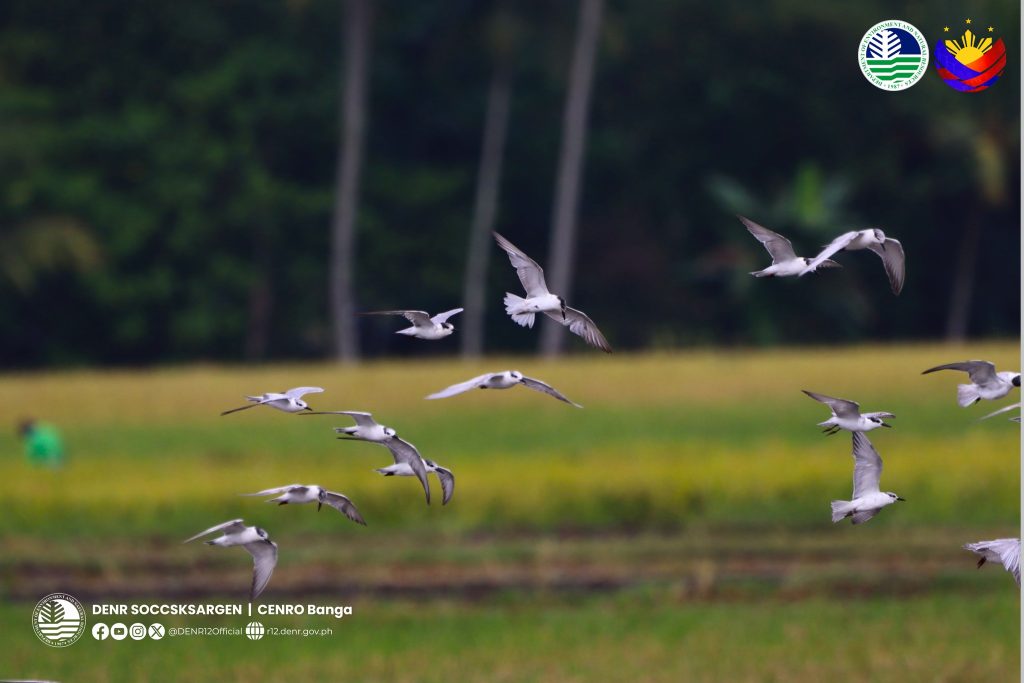
Among the species sighted were the Philippine Duck, Wandering Whistling Duck, Pacific Golden Plover, Brahminy Kite, Philippine Bulbul, Barred Rail, Purple Heron, Striated Grassbird, Collared Kingfisher, Munia, Little Egret, Black-winged Stilt, Javan Pond Heron, and Sand Plover. These waterbirds play a crucial role in maintaining the health of ecosystems by controlling insect populations, dispersing seeds, and contributing to nutrient cycling in wetlands.
The Importance of Wetland Conservation
Wetlands serve as vital habitats for a diverse array of species, acting as breeding and feeding grounds for migratory and resident waterbirds. Beyond their ecological value, they provide essential services such as water purification, flood control, and climate regulation. Unfortunately, wetlands are increasingly threatened by habitat destruction, pollution, and climate change, leading to significant biodiversity loss.
Protecting wetlands is not just about preserving waterbirds; it is about maintaining a balanced ecosystem that supports human livelihoods and environmental sustainability. The AWC data underscores the need for continued conservation efforts, reinforcing the role of communities, local governments, and environmental agencies in safeguarding these critical habitats.
Call to Action: Protecting Waterbirds and Their Habitats
RED Alicer has urged the public, particularly those living near wetlands, to refrain from capturing or harming waterbirds. Conservation efforts can be strengthened through sustainable land use practices, wetland restoration projects, and educational initiatives that promote the importance of biodiversity.
By working together to protect these ecosystems, we ensure that future generations can continue to benefit from the rich biodiversity that wetlands support. The Soccsksargen Region’s thriving waterbird population is a testament to the resilience of nature when given the chance to flourish. It is now our responsibility to uphold these conservation efforts and safeguard our natural heritage for years to come.