
The BOSS Ironman Motorcycle Challenge (BIMC) Mindanao Cup did not happen in a vacuum. It was not a rogue activity that slipped through the cracks. It was approved, permitted, endorsed, hosted, and proudly bannered by government institutions sworn to protect the public. And yet, as chaos unfolded on Mindanao’s highways—accidents, violations, injuries, and death—the spotlight remained fixed almost exclusively on riders and organizers. That focus, while necessary, is incomplete. The bigger and more uncomfortable truth is this: without government approval, this event would not have happened at all.
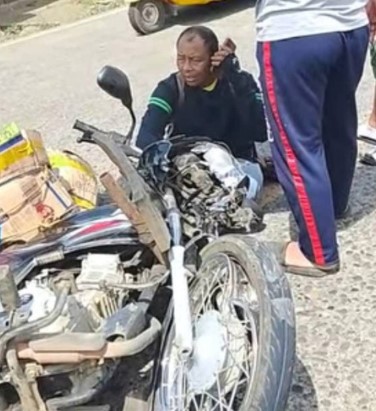


This is the elephant in the room—and it can no longer be ignored.
The organizers proudly chant their tagline: Discipline. Passion. Prestige. But during the event, discipline was nowhere to be found. What was visible instead were riders running red lights, overspeeding, using illegal blinkers, ignoring traffic signs, overtaking on solid yellow lanes, and treating public highways like private race tracks. These were not hidden violations. They were captured on video. They went viral. They happened in broad daylight. And they happened across multiple provinces and cities.
So the question must now be asked, bluntly and without fear: Where were the government agencies that approved this? Where was the discipline they were supposed to enforce?
Approval Is Not Neutral — It Is Responsibility
Permits are not pieces of paper. They are declarations of responsibility.
When national agencies such as the Land Transportation Office (LTO), and when host local government units—most notably General Santos City—approved and celebrated the BIMC, they effectively assured the public that safety protocols were in place, risks were mitigated, and the event would not endanger ordinary citizens. That assurance has now collapsed.
General Santos City proudly branded the BIMC as a source of pride, tourism, and economic activity. And yes, tourism and commerce may have benefited. Hotels filled up. Restaurants earned. Social media buzzed. But economic gain does not erase public harm. Tourism dollars cannot compensate for broken bones, destroyed livelihoods, traumatized families, and lives lost on the highway.
Development that tramples public safety is not progress. It is negligence dressed as pride.
When Promotion Turns Into Complicity
By hosting, promoting, and celebrating the BIMC, the host city and approving agencies did more than merely allow the event—they legitimized it. That legitimacy carried weight. It emboldened participants. It reassured organizers. It sent a dangerous message that this was a government-backed activity, insulated by permits and prestige.
And now, as outrage grows, the same institutions risk retreating into silence.
That silence is unacceptable.
Because when a seven-year-old child dies in a road crash linked to the event, when a farmer’s leg is shattered on his way to sell vegetables, when families are hit while simply living their daily lives, responsibility does not stop at the rider’s helmet or the organizer’s logo. It travels up the chain—to those who approved, endorsed, and failed to enforce.
The Senate Steps In — Because Local Safeguards Failed
The gravity of the situation is now undeniable. Senator Joseph Victor “JV” Ejercito has filed a resolution directing the Senate Committee on Tourism to conduct an inquiry into the BIMC Mindanao Cup, specifically questioning the implementation of safety standards and enforcement protocols in motorcycle tourism and endurance rides.
This Senate inquiry is not an overreaction—it is a necessity born out of systemic failure.
Sen. Ejercito himself pointed out what many Mindanaons already know: these crashes could have been avoided if the BIMC were a genuine motorcycle tourism event, not an endurance challenge masquerading as one. Tourism does not require time pressure. It does not require pushing physical limits on open highways. It does not require turning public roads into endurance corridors where fatigue and overspeeding become inevitable.
The fact that the Senate must now intervene is a clear indictment of regulatory agencies and host LGUs that failed to protect the public in the first place.
LTO’s Show Cause Order: A Crack in the Wall of Silence
To its credit, the LTO has issued a Show Cause Order against the BMW Owners Society of Safe Riders (BOSS), citing multiple violations of Republic Act No. 4136, including overspeeding, illegal modifications, unauthorized blinkers, failure to stop at traffic lights, and disregard for traffic signs. LTO Chief Assistant Secretary Markus Lacanilao’s statement was unequivocal: road safety is non-negotiable, and private motor vehicle events must never come at the cost of innocent lives.
But here is where scrutiny must deepen.
A Show Cause Order after the damage is done is not the same as prevention. It does not erase the failures that allowed the event to proceed under conditions that made violations predictable and widespread. The public deserves answers not only from organizers, but from regulators: Were safety benchmarks realistic? Were enforcement mechanisms sufficient? Were LGUs along the route fully coordinated? And if not, why was approval granted?
The Convenient Defense — And Why It Must Be Challenged
Now, the organizers have released a carefully worded statement claiming comprehensive inspections, safety briefings, and reminders to follow the rules. This statement will almost certainly become their battle cry in the impending Senate inquiry—a shield designed to deflect culpability.
But reminders are not enforcement. Inspections are meaningless if violations are tolerated. Safety slogans are hollow when evidence on the road tells a different story.
And crucially, even if organizers claim compliance on paper, government agencies and host LGUs cannot hide behind those claims. Due diligence requires independent verification, strict monitoring, and immediate intervention when laws are broken. Anything less is negligence.
Accountability Must Go All the Way Up
If riders are penalized, organizers investigated, but approving agencies and host LGUs walk away unscathed, then the lesson learned will be dangerously simple: break the law, endanger lives, and as long as you have permits and prestige, accountability will stop short.
That cannot be allowed.
General Santos City, national regulators, and all approving authorities must answer for their role—not just in promoting the event, but in failing to prevent the chaos it unleashed. Public trust demands nothing less.
Because the true scandal of the BOSS Ironman Mindanao Cup is not only what happened on the road—it is who allowed it to happen, who benefited from it, and who now hopes the spotlight will move on.
It must not.
If this Senate inquiry is to mean anything, it must confront the elephant in the room: government approval without accountability is complicity. And until that truth is faced, Mindanao’s roads will remain vulnerable—not to accidents, but to policy failure disguised as progress.