
GENERAL SANTOS CITY — Grief and unanswered questions now hound the family of a 24-year-old overseas Filipino worker (OFW) from Barangay Apopong after learning of her death in Dammam, Saudi Arabia, prompting renewed calls for justice and stronger protection for Filipino workers abroad.
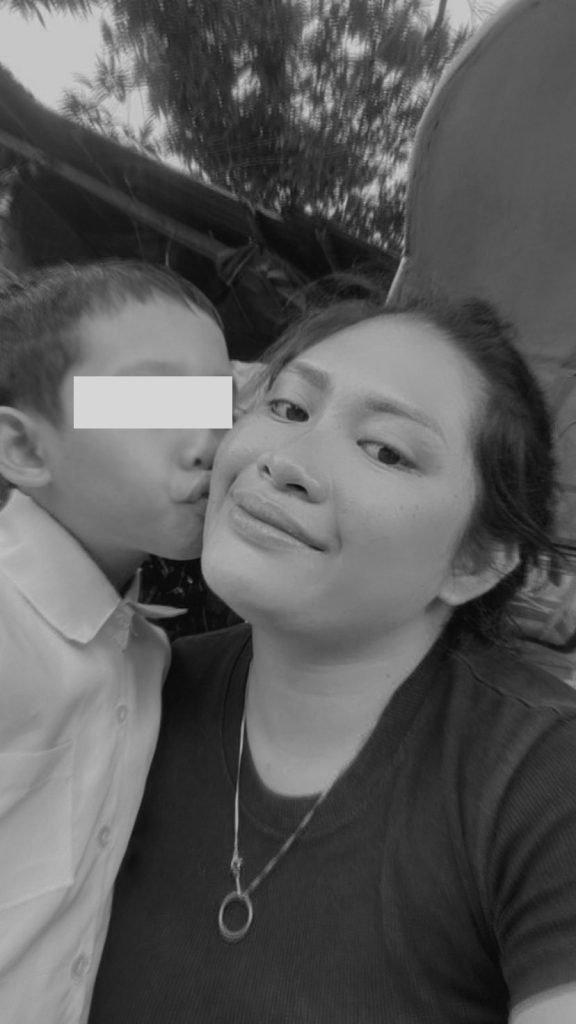
Queenjo Lacrita, a resident of Purok Lorenzo Ruiz in Barangay Apopong, was confirmed dead on April 8, 2026, weeks after she was reportedly hospitalized under unclear circumstances. Her family insists that critical details surrounding her condition and eventual death remain unexplained.
Her mother, Merly Lacrita, broke down in tears as she recounted the brief and troubling timeline of her daughter’s employment overseas. Queenjo had only left for Saudi Arabia in February 2026, but had already expressed difficulty coping with her job.
The last direct communication from Queenjo came on March 18, when she messaged her partner saying her employer would bring her to her agency. According to the agency, she was taken to a hospital two days later after allegedly slipping. However, the family said no concrete evidence—such as photos or medical documentation—was provided to support this claim.
What followed, according to the family, was a period marked by confusion, inconsistent updates, and silence.
Despite repeated attempts to contact the agency through video calls, the family said they received varying responses from different personnel, none of which clearly explained Queenjo’s condition. Requests for medical records or official documentation were allegedly denied, with the agency claiming such information could not be disclosed.
For nearly ten days, the family said they received no substantial update. It was only on March 30 that the agency informed them Queenjo was already in critical condition in the intensive care unit and had fallen into a coma. A video later shown to the family confirmed her deteriorating state.
Two days later, on April 8, the family was informed of her death.
Prior to this, on April 6, the family had already taken to social media to seek help and clarity, citing the lack of transparency in the updates being provided.
Now, they are calling for a full investigation into the circumstances surrounding Queenjo’s death, appealing to government agencies for assistance.
The family is currently awaiting official findings and support from the Department of Migrant Workers and the Overseas Workers Welfare Administration.
Risks Faced by Modern-Day Heroes
The tragic case of Queenjo Lacrita underscores the persistent risks faced by OFWs, often hailed as modern-day heroes for their economic contributions.
Despite improved policies and bilateral agreements, many Filipino workers abroad—especially domestic workers—remain vulnerable to exploitation, abuse, and unsafe working conditions. These risks include:
- Lack of transparency and communication from employers or agencies during emergencies
- Limited access to legal and medical support, especially in restrictive work environments
- Isolation and dependence on employers, which can hinder immediate reporting of abuse or accidents
- Contract substitution or job mismatch, leading to physically and emotionally demanding work beyond expectations
- Barriers to documentation, where families struggle to obtain medical or legal records in times of crisis
In some cases, delayed reporting and lack of oversight can result in situations where families are left in the dark during critical moments, as seen in Queenjo’s case.
Advocates continue to push for stronger monitoring of recruitment agencies, stricter enforcement of labor protections, and improved coordination between Philippine authorities and host countries.
As the Lacrita family mourns their loss, their call for justice echoes a broader demand—to ensure that no Filipino worker abroad suffers the same fate without accountability and protection.
“Gusto lang namo ang kamatuoran ug hustisya,” the family said, as they continue to seek answers behind Queenjo’s untimely death.