
A Cooperative in Freefall
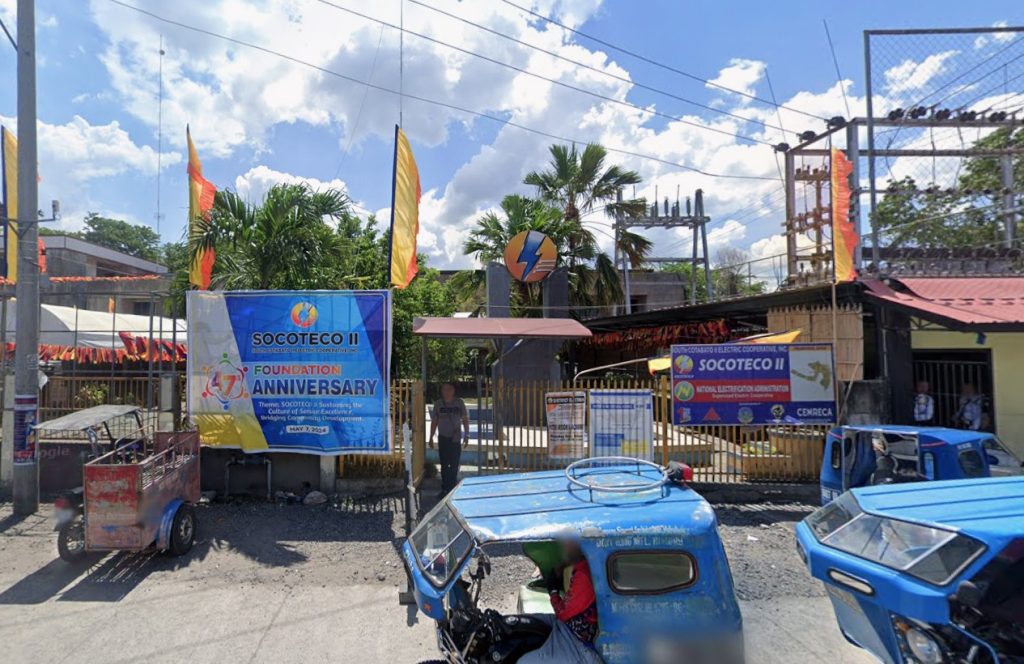
The crisis engulfing the South Cotabato II Electric Cooperative (SOCOTECO II) is no longer a matter of internal concern—it is a public emergency unfolding in plain sight. What was once a vital institution tasked to deliver reliable, affordable, and transparent electricity to more than 200,000 member-consumer-owners is now teetering on the edge of collapse. The revelations presented during the Sangguniang Panlungsod session in General Santos City on March 24, 2026—highlighting a ₱1.52 billion deficit, worsening financial instability, and operational failures—paint a grim picture of an institution that has lost its footing. This is not just a cooperative struggling to survive; this is a system breaking down under the weight of years of mismanagement.
Contradictions That Expose a Broken Leadership
What makes this crisis even more disturbing is the glaring contradiction between official records and public statements. While audited financial statements expose massive losses and structural weaknesses, previous claims from within the management insisted that SOCOTECO II was generating as much as ₱200 million monthly. These conflicting narratives cannot coexist without raising serious doubts about credibility. When the Board itself admits that recovery is becoming increasingly difficult, and that the cooperative has already been downgraded due to poor performance, it becomes clear that the truth has either been distorted or deliberately concealed. This is no longer a question of miscommunication—it is a crisis of honesty and leadership.
₱1.8 Billion Without Accountability
Nothing captures the gravity of the situation more than the revelation of over ₱1.8 billion in disbursements lacking proper documentation. This is not a minor lapse or an administrative oversight—it is a catastrophic failure of financial governance. Documentation is the most basic requirement in handling funds, especially in an institution built on public trust. Without it, transparency collapses. And when transparency collapses, accountability disappears. At this scale, the absence of records raises the possibility of systemic negligence—or worse, deliberate abuse of resources. Every peso in that amount came from consumers who faithfully paid their electricity bills. To now admit that such a massive sum cannot be properly accounted for is nothing short of a betrayal.
Consumers Left to Shoulder the Burden
While financial irregularities continue to surface, it is the consumers who are once again forced to absorb the consequences. Electricity rates have increased, pushing residential costs beyond ₱10 per kilowatt-hour. The explanation given—higher generation and transmission charges—fails to address the deeper issue of internal mismanagement. Consumers are not just paying for power; they are paying for inefficiency, poor decision-making, and a system that appears unable to manage its own finances. For families already struggling with rising costs of living and for small businesses barely staying afloat, these increases are not just inconvenient—they are punishing. And the question remains: why should the public pay more when accountability within the cooperative is nowhere to be found?
Trust Eroded, Confidence Shattered
At its core, this is no longer just a financial crisis—it is a crisis of trust. A cooperative is built on the principle that it exists to serve its members. It is meant to embody transparency, shared ownership, and mutual benefit. But when billions of pesos go unaccounted for and leadership fails to provide clear answers, that foundation crumbles. What replaces it is deepening frustration, suspicion, and anger among the very people the cooperative is supposed to serve. Trust, once broken at this scale, is not easily restored. And unless decisive action is taken, SOCOTECO II risks losing not just its financial stability, but its legitimacy as an institution.
Power Struggles and Competing Interests
Complicating the situation further is the growing noise from competing interests seeking influence over the cooperative’s future. From privatization talks to conversion proposals and corporate interventions, SOCOTECO II has become the center of a larger power struggle. Consumers are now caught in a crossfire of narratives—some warning against profit-driven takeovers, others arguing that private sector involvement may be the only path to recovery. Allegations of smear campaigns, misinformation, and aggressive lobbying only add to the confusion. But amid all these competing agendas, one truth must not be lost: the crisis did not begin with external players. It began from within, through years of weak governance and questionable decisions.
Accountability Cannot Be Optional
The most pressing issue now is accountability—and the glaring absence of it. Leadership must answer fundamental questions that can no longer be ignored. Who approved the questionable disbursements? Who failed to enforce financial safeguards? Who allowed billions to be released without proper documentation? And why were consumers led to believe that the cooperative was financially stable when evidence suggests otherwise? These are not abstract concerns. They are demands for justice from the very people who sustain the cooperative. Leadership is not just about authority—it is about responsibility. And in this case, that responsibility appears to have been abandoned.
A System on the Brink
SOCOTECO II is no longer in a position to rely on temporary fixes or public relations statements. The scale of the crisis has outgrown superficial solutions. The combination of financial losses, governance failures, and eroding public trust has pushed the cooperative to the brink. Without immediate and meaningful intervention, it is not unrealistic to expect a full institutional collapse. This is the harsh reality that both leaders and consumers must now confront. The illusion of stability is gone. What remains is a system in urgent need of rescue.
The Call for Real Reform
What SOCOTECO II needs now is not another round of explanations—it needs action. A full, independent investigation into financial irregularities must be conducted without delay. All records must be made transparent and accessible. Those responsible for lapses and misconduct must be held accountable, regardless of position or influence. More importantly, structural reforms must be implemented to ensure that such a crisis will never happen again. Anything less would only prolong the damage and deepen public distrust.
A Betrayal That Demands Justice
In the end, this crisis is more than a story of financial mismanagement—it is a story of broken trust. The people of General Santos City and the broader SOCSKSARGEN region entrusted SOCOTECO II with more than just their electricity—they entrusted it with their confidence, their resources, and their welfare. That trust has been shaken, if not completely shattered. Until every peso is accounted for and every responsible party is held to answer, one truth will continue to echo: this is not just failure. This is betrayal.