
There are places in this world that are more than just brick and mortar. They breathe history, whisper secrets, hold grief, and echo laughter. One such place, simple and unassuming, sits quietly in Doña Luisa Subdivision in Matina, Davao City—the home of former President Rodrigo Roa Duterte.
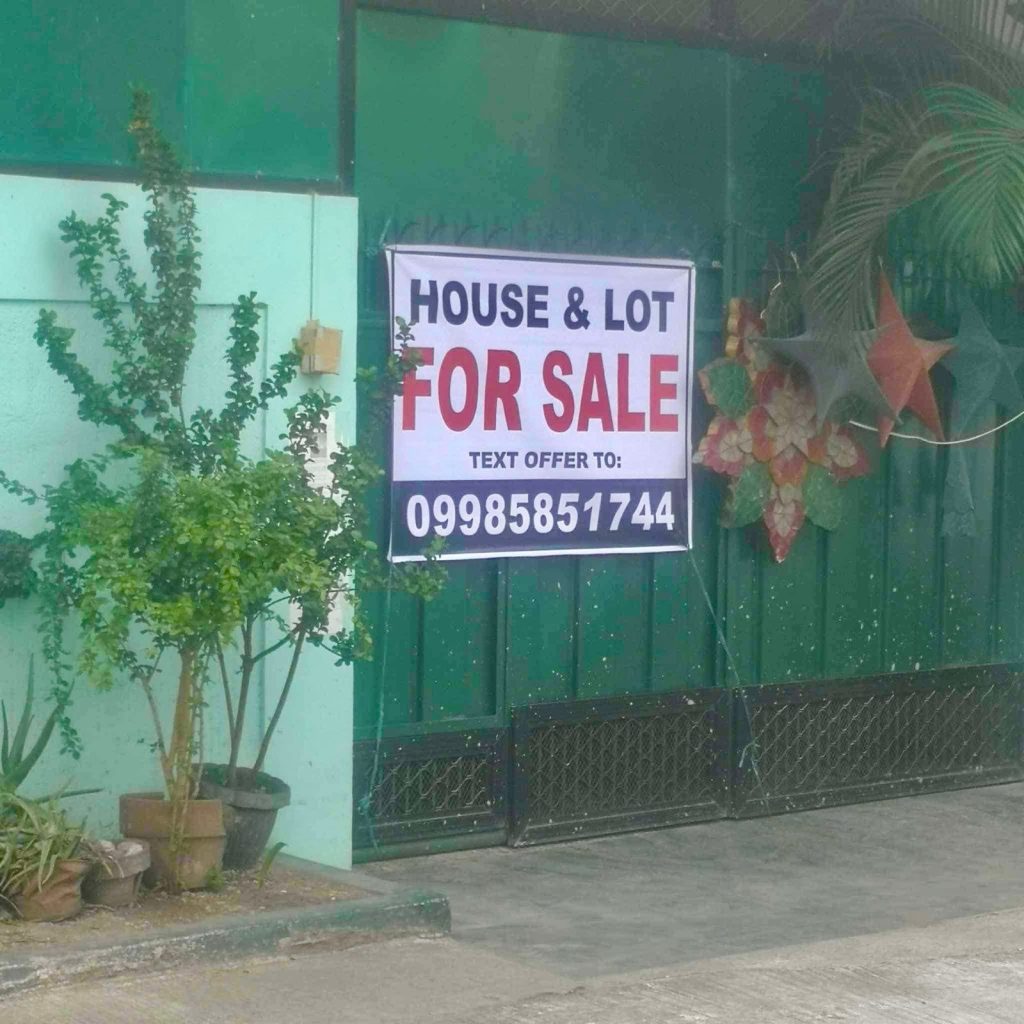
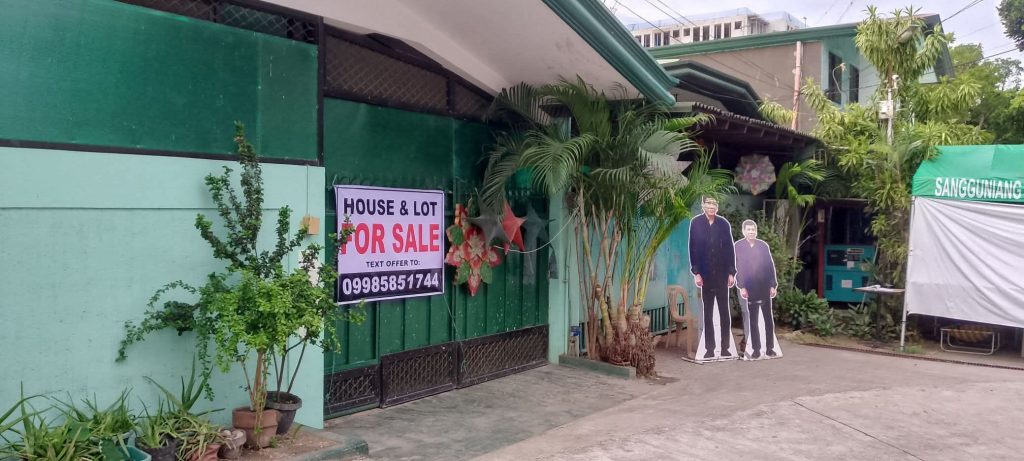
But this house, which for years symbolized the heart of Davao and the humility of a man who would later rise to lead the nation, is now up for sale.
The news hit like a sucker punch to the gut.
Honeylet Avanceña, Duterte’s long-time partner, confirmed what many of us thought unthinkable. “Masakit sa dibdib ko every time I go inside,” she said. Who wouldn’t be moved by her words? A woman carrying the weight of memories and the burden of loss. Four house helpers remain, but no master comes home. The lights still flicker on, but the life inside has quietly dimmed.
This isn’t just about a real estate listing.
This is about a chapter in our collective national story being quietly closed—without ceremony, without closure.
The Duterte residence, modest and welcoming, never carried the pomp expected of a man who once held the highest office in the land. It was a home that welcomed the people, not one that excluded them. Every December, it transformed into a hub of generosity. Families lined up for his yearly gift-giving, a tradition rooted not in politics, but in the genuine, down-to-earth persona of Digong. That house was a witness to the joy of children, the gratitude of parents, the elderly who whispered blessings in Visayan and Tagalog, thankful that someone still remembered them.
It wasn’t just a house. It was a hearth.
And now it stands abandoned, haunted by memories and, perhaps, a sense of betrayal by the very system the former president once tried to bend toward the common man.
What led to this? The reasons are both emotional and deeply human. Avanceña revealed how security concerns had become unbearable—lawyers advising CCTVs even in the bedroom. What kind of peace can one find when your sanctuary becomes a surveillance zone? The paranoia of post-power life is real, and the shadows of political grudges seem to loom large.
But is this the end that Duterte—arguably one of the most consequential, polarizing, and beloved presidents—deserves?
Across the country, the homes of past leaders have become beacons of memory: Aguinaldo’s home where independence was declared, the Macapagal museum in Lubao, even Marcos’ house transformed into a museum and mausoleum. These spaces are reminders of legacy—whether one views that legacy favorably or not. But at least they are remembered. Preserved. Acknowledged.
Why not Duterte?
He is not perfect—no leader is. But to many Filipinos, especially to the Dabawenyos, he was their mayor before he was our president. He was the father figure, the no-nonsense protector, the man who stood by the streets in the wee hours of the night checking if the city was safe. He was the one who refused to be called “excellency,” preferring “mayor” over “Mister President.”
That house, in all its simplicity, was his truest expression of self. A humble shelter for a man who never chased luxury, a backdrop to the country’s most turbulent and triumphant years.
Now it faces an uncertain fate—perhaps to be gutted, repainted, or even erased.
Is there truly no way for the people to preserve it?
Vice President Sara Duterte had once suggested opening it to the public. A space where the people could walk through and feel what he felt, sit where he sat, see the world through the eyes of the man from Davao. That idea now feels like a dying ember in a storm of silence.
This op-ed is not a political defense. It is a plea—not for PRRD, but for memory. For history. For the tangible pieces of our nation’s journey that risk slipping through our fingers if we do not act.
If we let this house go—without reverence, without remembering—we are not just selling property. We are selling off another piece of who we were.
And maybe, just maybe, a little part of who we still are.
The question now isn’t just, Saan uuwi si PRRD?
The bigger question is: Where do we, the people who believed in him, go from here?
We owe him better. We owe history better.
Because sometimes, a house is not just a house.
Sometimes, it’s the soul of a city.
Sometimes, it’s where a nation once came home.