
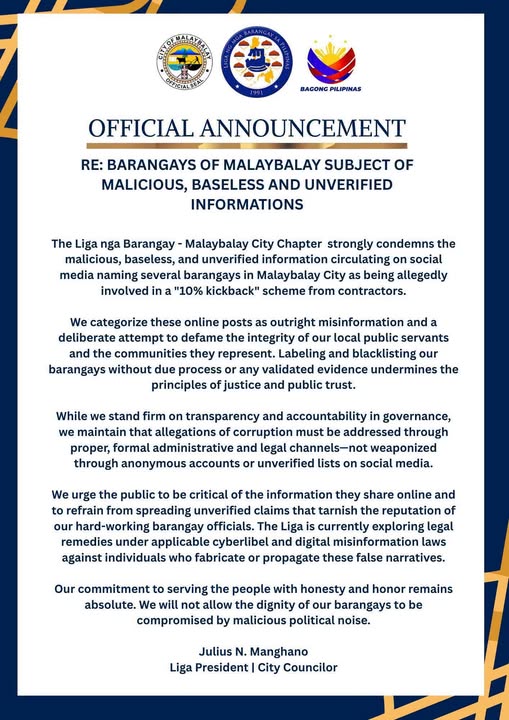
MALAYBALAY CITY, Bukidnon — The Liga ng mga Barangay–Malaybalay City Chapter has strongly condemned social media posts circulating allegations that several barangays in the city were involved in an alleged 10% kickback scheme involving contractors, warning that unverified claims could damage the reputations of local officials and the communities they represent.
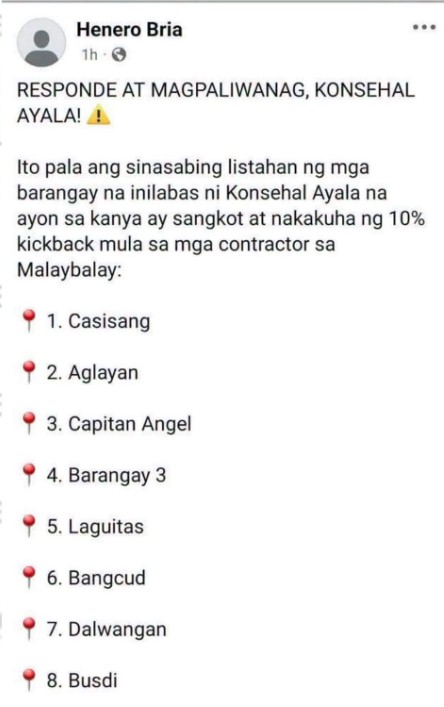
The controversy intensified following the circulation of a purported list naming Barangays Casisang, Aglayan, Capitan Angel, Barangay 3, Laguitas, Bangcud, Dalwangan, and Busdi as allegedly connected to the scheme. The list was shared by a Facebook account identified as Henero Bria and subsequently posted on the Facebook page Politika sa Bukidnon.
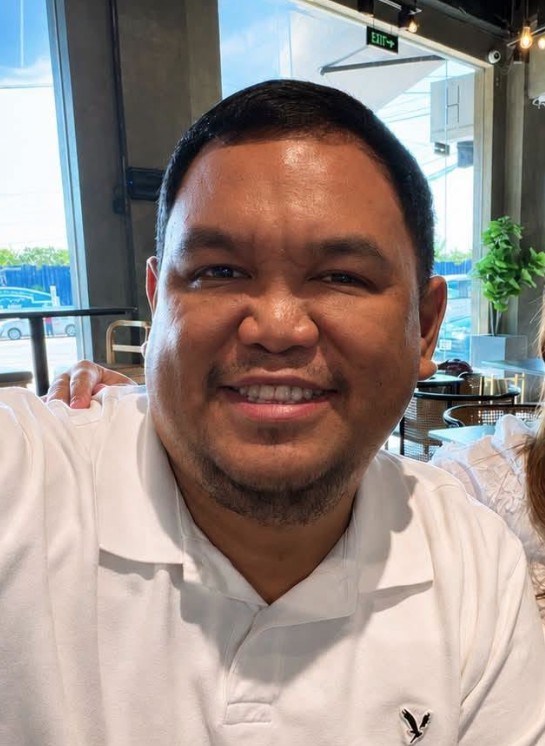
Liga President and City Councilor Julius N. Manghano issued a strong condemnation of the circulating allegations, describing the online posts as outright misinformation that could undermine public trust in barangay officials and their respective communities.
The controversy also drew a response from City Councilor Jason Chad Ayala, who denied releasing the purported list or publicly identifying any barangay captain as being involved in the alleged kickback arrangement.
In a telephone interview on October 15, Ayala clarified that he had not issued the information being attributed to him and had not named any barangay officials in connection with the allegations. He maintained that the claims circulating online were untrue and emphasized that allegations involving public officials must be handled through proper legal and administrative procedures.
Ayala also warned the public against spreading unverified information, stressing that no formal list had been presented to or submitted to the Liga ng mga Barangay office in Malaybalay City, according to his clarification.
Dispute Over Social Media Posts
The issue reportedly flared during the regular session of the Sangguniang Panlungsod on October 13, 2026, when Manghano raised concerns over Ayala’s social media post encouraging contractors who allegedly experienced demands for a 10% kickback to submit complaints to his office.
Manghano questioned the appropriateness of soliciting complaints through social media instead of directing complainants to the proper administrative agencies. He argued that publicly discussing such allegations before they have been formally investigated could lead to premature judgment and create misleading impressions among the public.
For Manghano, allegations of corruption must be addressed through established procedures that allow claims to be examined, evidence to be assessed, and the parties concerned to respond. He stressed that circulating an unverified list of barangays could unfairly tarnish the credibility of elected community leaders.
Ayala, however, maintained that his social media post was a general invitation for contractors who claimed to have been asked for a 10% payment to come forward and file formal complaints through the appropriate legal channels.
He insisted that he did not identify any specific barangay captain in his post and described the appeal as a call for transparency and accountability rather than an accusation against particular officials.
Ayala further challenged barangay officials to remain open to scrutiny, emphasizing that elected public servants must be prepared to answer legitimate questions about their conduct and official transactions.
Addressing the city’s 46 barangay captains and other officials, he argued that public office necessarily entails accountability and that officials should not automatically regard calls for investigation as attacks on their integrity.
He also encouraged barangay officials to make relevant records and documents available for proper examination, saying transparency is essential to demonstrating that public service is being carried out honestly.
Allegations Remain Unverified
Despite the competing statements, the alleged 10% kickback scheme and the purported involvement of the eight named barangays remain unverified based on the information provided. No independently established findings or official investigative conclusions were cited in the statements surrounding the controversy.
The distinction is crucial: a social media post naming a barangay does not, by itself, establish that its officials demanded or received kickbacks. Any claim of wrongdoing must be supported by credible evidence and subjected to a fair investigation.
The dispute also highlights the potential consequences of using social media to discuss allegations of corruption before the facts have been established. While online platforms can provide a channel for whistleblowers and concerned citizens to raise legitimate complaints, unsubstantiated accusations can expose individuals and communities to reputational harm.
At the same time, public officials remain accountable for their actions and should cooperate with lawful investigations into credible allegations of misconduct.
Liga Studies Possible Legal Action
In response to the circulating posts, the Liga ng mga Barangay–Malaybalay City Chapter is studying possible legal action against individuals allegedly responsible for disseminating false claims online, including potential remedies under applicable cyberlibel and other relevant laws.
Any legal action would need to establish the facts surrounding the publication, identify the persons responsible where legally appropriate, and determine whether the elements of a specific offense are present.
The controversy underscores the need for responsible public communication, particularly when allegations involve elected officials and entire barangay communities.
For now, the central questions remain whether credible evidence exists to support the alleged kickback scheme, whether any formal complaints have been filed with the appropriate authorities, and whether an official investigation will establish wrongdoing.
Until those questions are resolved through proper procedures, the allegations should not be treated as proven facts.
The incident serves as a reminder that transparency and accountability must go hand in hand with due process, evidence-based reporting, and responsible social media use. Calls to investigate alleged corruption deserve serious attention, but the reputations of individuals and communities must not be condemned on the strength of unverified online claims alone.