
MAITUM, Sarangani Province — Around 3,000 bats were recorded during a recent biodiversity monitoring activity in Barangay Pinol on April 22, offering a rare piece of encouraging news for conservationists—yet underscoring the growing urgency to protect fragile ecosystems in the face of accelerating climate change.
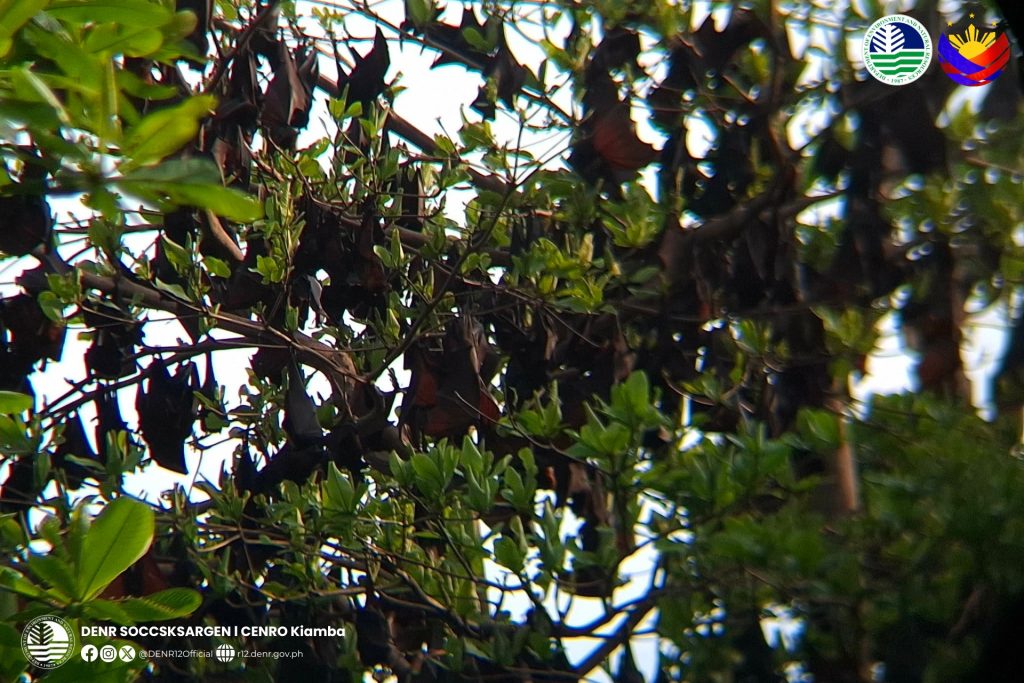
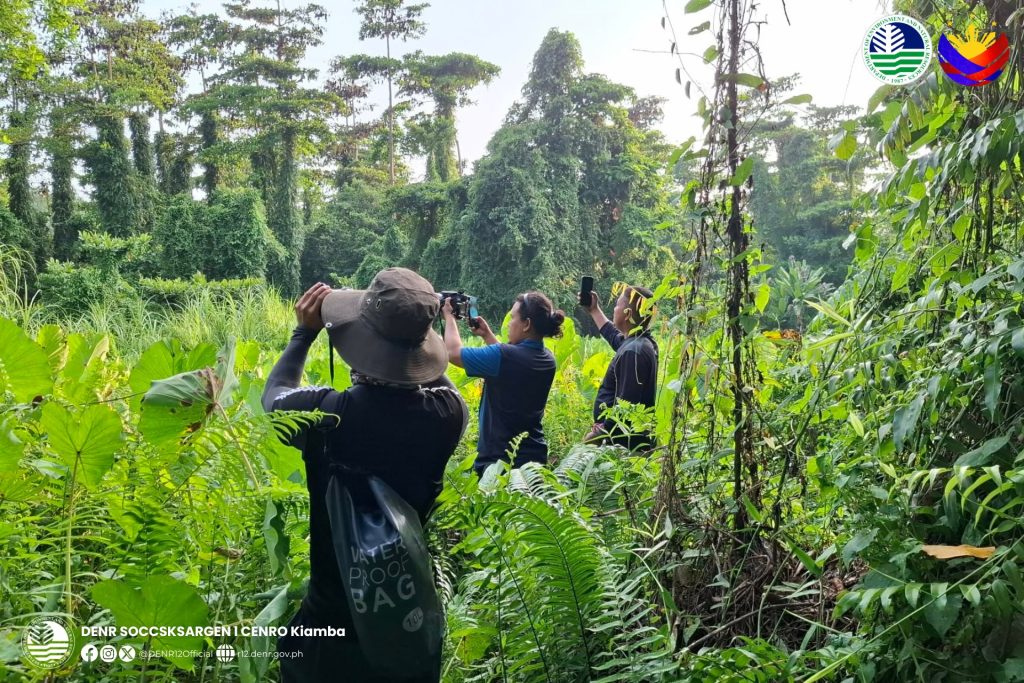
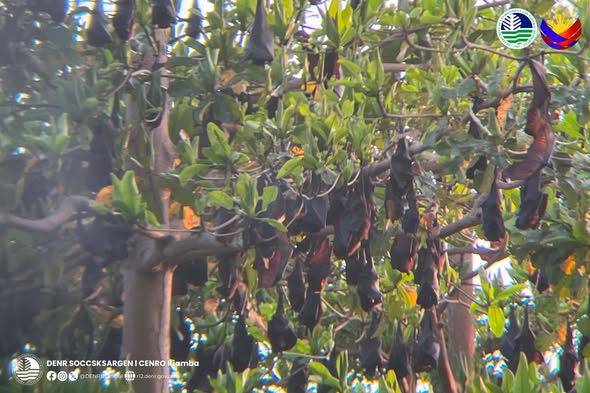
The monitoring, conducted by the Community Environment and Natural Resources Office (CENRO) Kiamba in coordination with the barangay local government unit and the Municipal Environment and Natural Resources Office (MENRO) of Maitum, revealed a robust bat population thriving within the area’s remaining natural habitats.
At first glance, the numbers suggest a healthy ecosystem. Bats—often overlooked and misunderstood—are among the most critical species for ecological balance. They serve as natural pollinators and seed dispersers, silently sustaining forests, farms, and watersheds that communities depend on for food and livelihood.
But beneath this positive development lies a more complex reality.
Environmental observers noted subtle yet significant shifts in bat roosting sites, believed to be driven by changing environmental conditions and fluctuations in food availability. These movements, while demonstrating the species’ adaptability, are also early warning signs of ecological stress—signals that even resilient wildlife is being forced to adjust to a rapidly changing climate.
Across the Philippines, rising temperatures, erratic rainfall patterns, and intensifying extreme weather events are already reshaping natural habitats. Forests are thinning, food sources are becoming unpredictable, and wildlife is being pushed to the edge of survival.
In this context, the presence of 3,000 bats in Maitum is both a symbol of resilience—and a call to action.
“If these ecosystems begin to fail, bats will be among the first indicators,” environmental advocates warn. “And when bats disappear, the consequences ripple outward—affecting forests, agriculture, and ultimately, human communities.”
The stakes are high. Without sustained conservation efforts, even currently “healthy” habitats like those in Maitum could deteriorate under the pressure of climate change, land conversion, and human disturbance.
CENRO Kiamba emphasized that monitoring activities will continue, alongside strengthened conservation initiatives aimed at safeguarding wildlife and preserving ecological integrity. But experts stress that monitoring alone is not enough.
What is needed is urgent, coordinated action—protecting forest cover, restoring degraded habitats, regulating land use, and empowering local communities as frontline stewards of biodiversity.
The bats of Maitum are still here—for now. Their presence tells a story of survival, balance, and quiet ecological work that benefits all. But it also raises a pressing question: for how long?
As climate threats intensify, the line between resilience and collapse grows thinner. And the time to act is no longer tomorrow—it is now.