
SAN NICOLAS, Talacogon, Agusan del Sur — A sweeping aerial survey conducted on April 18, 2026 has revealed the troubling extent of damage caused by a series of peat fire incidents that struck the fragile ecosystems of the Agusan Marsh Wildlife Sanctuary, particularly within the Talacogon peatland area.
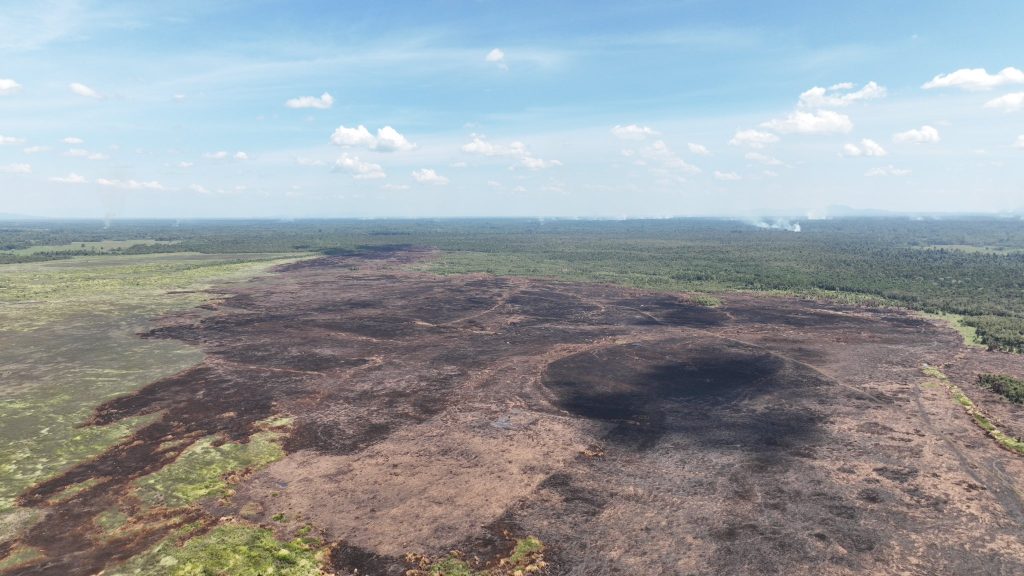
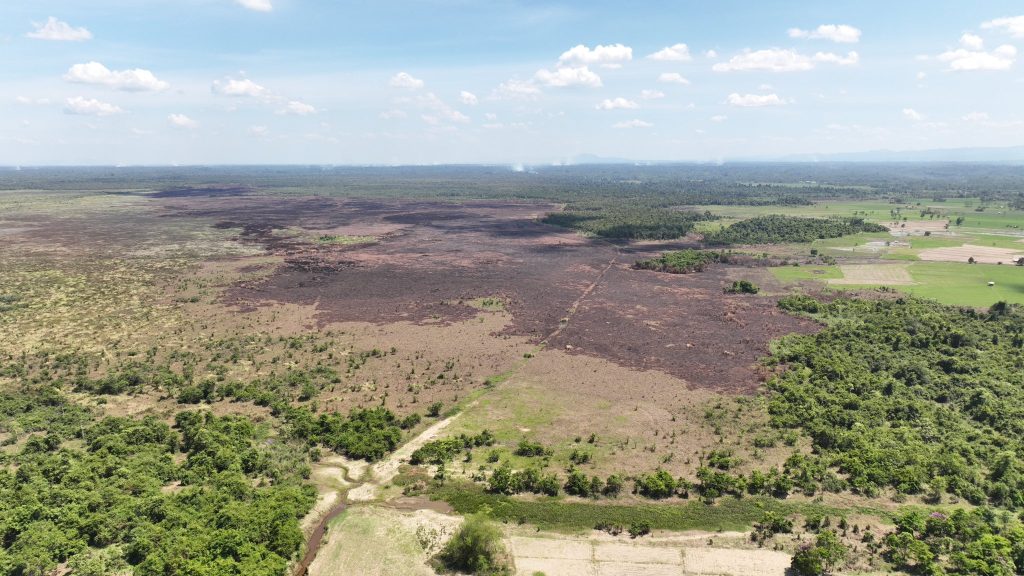
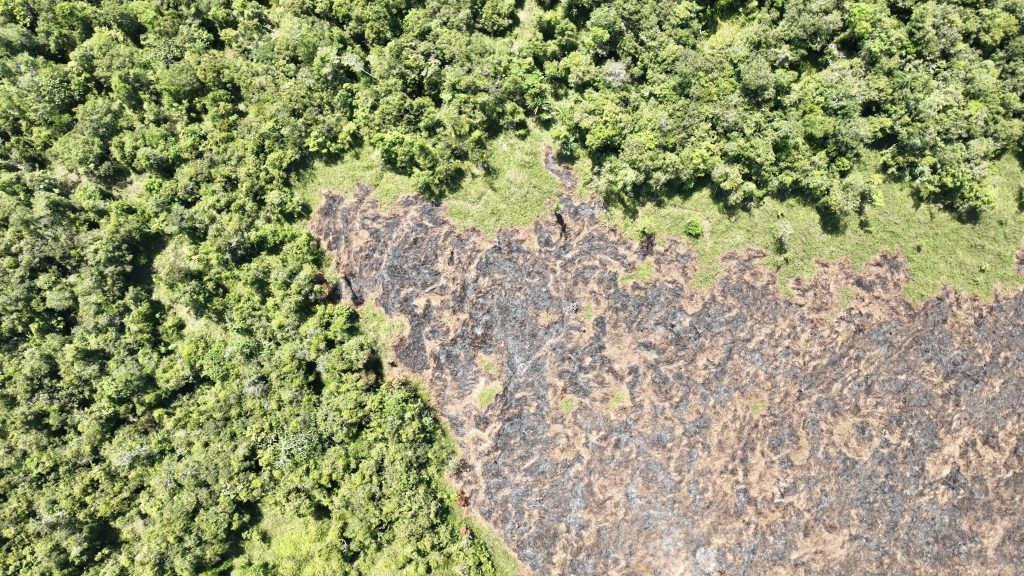
The survey, carried out through a coordinated effort involving the 3rd Special Forces Battalion Philippine Army, the Department of Environment and Natural Resources Provincial Environment and Natural Resources Office (PENRO) in Agusan del Sur, and peatland conservation advocate Mike G. Sabacajan, forms part of an ongoing investigation led by the Protected Area Management Office overseeing the sanctuary.
Fires That Burn Beneath the Surface
The fires, which occurred intermittently from March 29 to April 9, have drawn concern not only for their visible destruction but also for their hidden impact. Unlike ordinary wildfires, peat fires burn underground, consuming layers of carbon-rich soil that have accumulated over thousands of years.
Initial findings suggest that human activities near the protected zone may have contributed to the degradation of the peatland. However, authorities have yet to identify or apprehend individuals directly responsible for igniting the fires.
Investigators point to a mix of unsustainable land-use practices as possible triggers. These include the expansion of rice fields through the slash-and-burn method locally known as “kaingin,” the construction of drainage systems linked to nearby agricultural lands, and fishing practices that involve burning vegetation on dried lakebeds to ease fish capture.
While these methods are often rooted in livelihood needs, experts warn that, when left unchecked, they can severely weaken the ecological integrity of peatlands.
Climate Conditions Fueling the Crisis
Scientific assessments further reveal that environmental conditions played a critical role in intensifying the fires. Prolonged high heat index levels, combined with low soil moisture and a declining water table, created ideal conditions for peat combustion.
As peat soil dries out, it becomes highly flammable—even small ignition sources such as discarded cigarette butts can trigger fires that spread silently beneath the ground.
A Vital Ecosystem Under Threat
Often referred to locally as “huyong-huyong,” peatlands are among the most vital yet vulnerable ecosystems. The Agusan Marsh peatlands serve as massive carbon sinks, helping regulate the climate by storing greenhouse gases that would otherwise contribute to global warming.
Beyond climate regulation, these wetlands provide habitat to a wide array of plant and animal species, many of which are rare or endemic. They also play a crucial role in flood control, mitigating the impact of seasonal flooding across Agusan del Sur and neighboring Agusan del Norte.
The degradation of these ecosystems, experts warn, could have cascading effects—not only environmentally but also economically and socially.
Community Action Urged
In response, authorities are intensifying public awareness campaigns, urging communities living near the peatland to avoid activities that could spark further fires. Residents are strongly discouraged from burning dry grass, waste, or vegetation, especially during periods of extreme heat.
The public is also encouraged to report any signs of smoke or fire immediately to local authorities to prevent small incidents from escalating into large-scale disasters that could threaten nearby homes and private properties.
Officials emphasize that conservation is a shared responsibility. Strengthening community vigilance and encouraging active participation in environmental protection programs are seen as key steps in safeguarding the peatlands.
A Race Against Time
As investigations continue, the aerial survey stands as both a diagnostic tool and a warning signal. The damage inflicted over just a few weeks underscores how quickly fragile ecosystems can deteriorate under combined human and environmental pressures.
Protecting the Agusan Marsh peatlands now demands urgent, sustained action—from policymakers and enforcement agencies to local communities whose lives are intertwined with the land.
Without decisive intervention, what lies beneath the surface may continue to burn—quietly, persistently, and with consequences that extend far beyond the marshlands.