
INDANAN, SULU — After nearly five decades marked by division, grief, and lingering tension, two families in Barangay Pasil, Indanan have finally chosen peace—closing a painful chapter through dialogue, forgiveness, and a shared vision for a safer future.
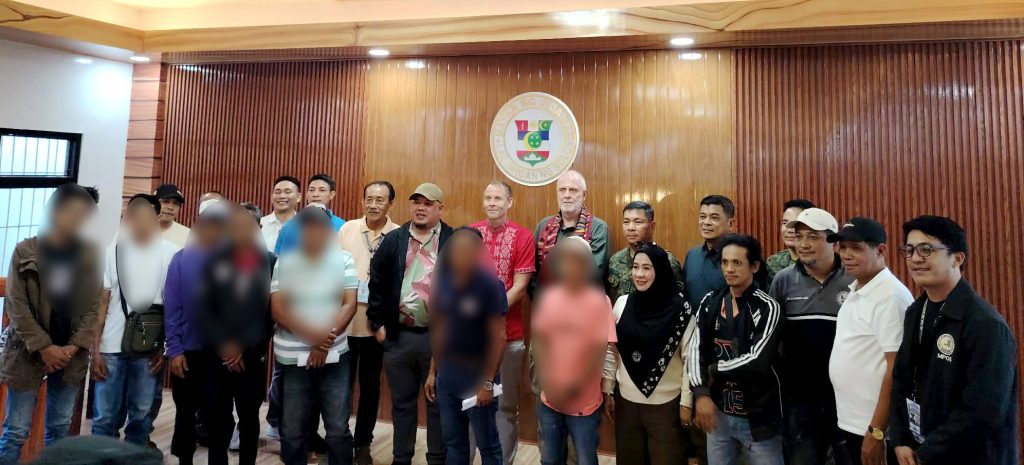
On April 21, 2026, what was once a story of conflict transformed into a powerful testament to reconciliation. In a ceremony grounded in tradition and mutual respect, members of the two families formally signed an amicable settlement agreement—an act that symbolized not only the resolution of a long-standing dispute, but the beginning of healing.
The moment that followed carried even greater weight. A ceremonial handshake, soon replaced by a heartfelt embrace, drew quiet emotion from those in attendance. For many, it was more than symbolic—it was the visible end of decades of estrangement and pain, and the start of renewed trust.
The breakthrough did not happen overnight. It was the result of sustained mediation and community engagement led by Tumikang Sama-Sama Inc., working closely with the Ministry of Public Order and Safety and the Local Government Unit of Indanan under Mayor Albakil D. Jikiri. Their collective efforts created a space where dialogue could replace hostility and understanding could overcome decades of mistrust.
The significance of the event extended beyond the two families. It drew a diverse gathering of peace advocates, government officials, security forces, and religious leaders—each playing a role in reinforcing the fragile but growing culture of peace in the region.
Among the distinguished attendees was Christian L. Lyster, whose presence highlighted the international community’s continued investment in Mindanao’s peacebuilding efforts. In his message, Lyster emphasized the importance of grassroots initiatives, noting that sustainable peace is often built not in conference halls but within communities willing to confront their past and choose reconciliation. He also underscored the critical role of women in bridging divides and sustaining peace processes over time.
Representatives from the Western Mindanao Command, the Sulu Provincial Police Office, and the Sulu Ulama Council for Peace and Development also attended, alongside local leaders including the Barangay Chairman of Tagbak—demonstrating a unified front across sectors in support of peace and reconciliation.
Grounding the ceremony in faith and moral reflection, Ustadz Abdurahman Alhari delivered a message that resonated deeply with those present. He reminded the families and the community that those lost to past conflicts cannot be brought back, and that enduring peace begins with a conscious decision to let go of anger and cleanse the heart.
His words struck at the core of the gathering’s purpose: to ensure that the pain of the past would not be repeated.
The successful reconciliation stands as a powerful example of how deeply rooted conflicts—often passed down through generations—can be resolved through patience, cultural sensitivity, and collective will. It reflects a broader effort across Sulu and the Bangsamoro region to address “rido,” or clan feuds, which have historically fueled cycles of violence.
For the Ministry of Public Order and Safety, the agreement is both a milestone and a reminder of the work that lies ahead. Through its Community Affairs Officers in Sulu, the ministry reaffirmed its commitment to expanding conflict resolution initiatives, strengthening community partnerships, and ensuring that peacebuilding efforts remain inclusive and sustainable.
As the ceremony concluded, what lingered was not just the relief of conflict resolved, but the quiet hope of a community moving forward—together.
In a place where generations once inherited division, a new legacy is beginning to take shape—one defined not by conflict, but by courage, reconciliation, and the enduring power of peace.