
CATEEL, Davao Oriental — Deep within the lush forests of the Aliwagwag Protected Landscape (APL), a fleeting yet remarkable encounter has once again drawn attention to the area’s extraordinary biodiversity.
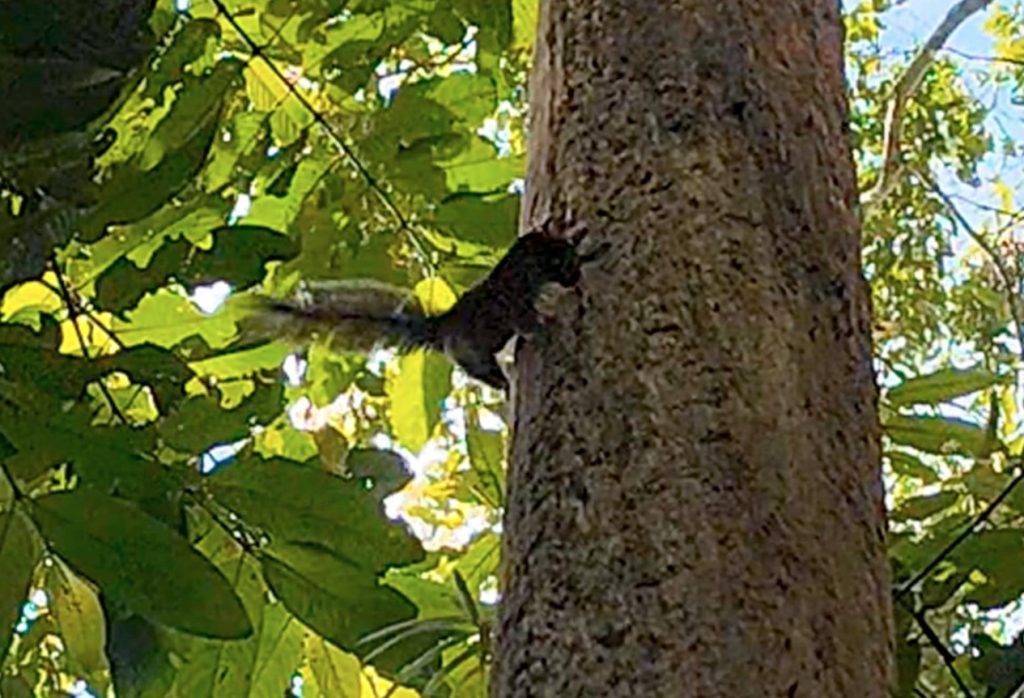
On February 19, 2026, a monitoring team from the Protected Area Management Office (PAMO), under the Conservation and Development Section of the Community Environment and Natural Resources Office (CENRO) Baganga, recorded a rare sighting of an elusive squirrel in Sitio Bitangon, Barangay Aliwagwag. The animal was observed skillfully moving along the trunk of a Lithocarpus tree, briefly revealing itself before disappearing into the dense forest canopy.
For the team, the moment was both exciting and frustrating. With limited documentation tools and no specialized equipment on hand, they were unable to capture clear images or collect sufficient data to confirm the squirrel’s exact species. Still, the sighting adds a significant piece to the growing ecological narrative of APL.
This marks only the second documented squirrel encounter in the protected landscape. The first was recorded on March 9, 2023, in Sitio Carampil, Barangay Panansalan in nearby Compostela, Davao de Oro—an indication that such species, though rarely seen, may have a wider presence across the forest corridors of eastern Mindanao.
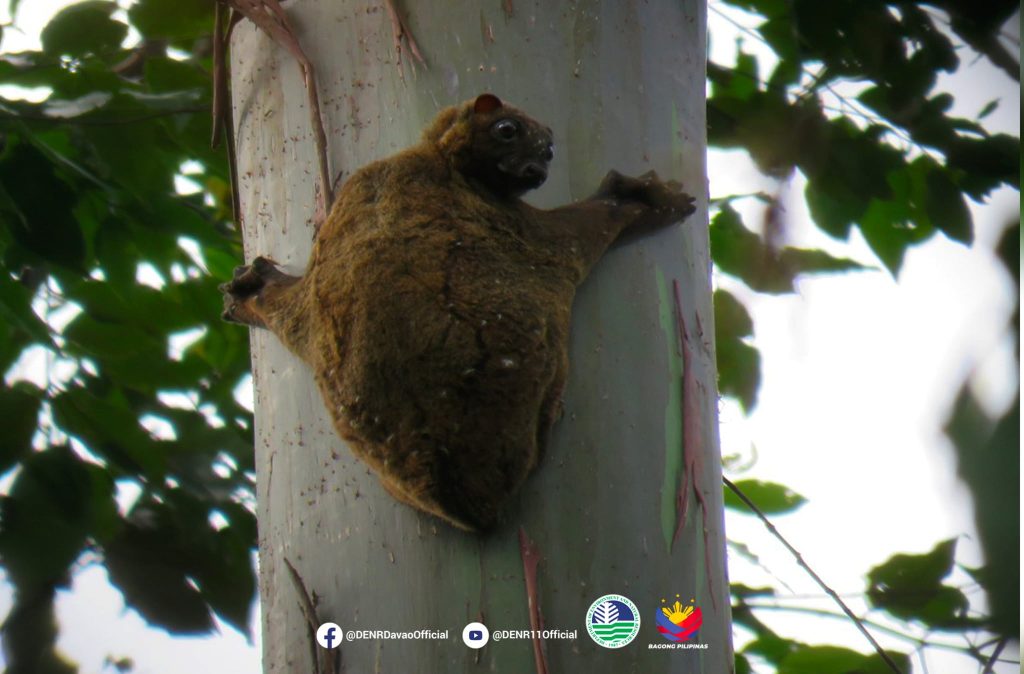
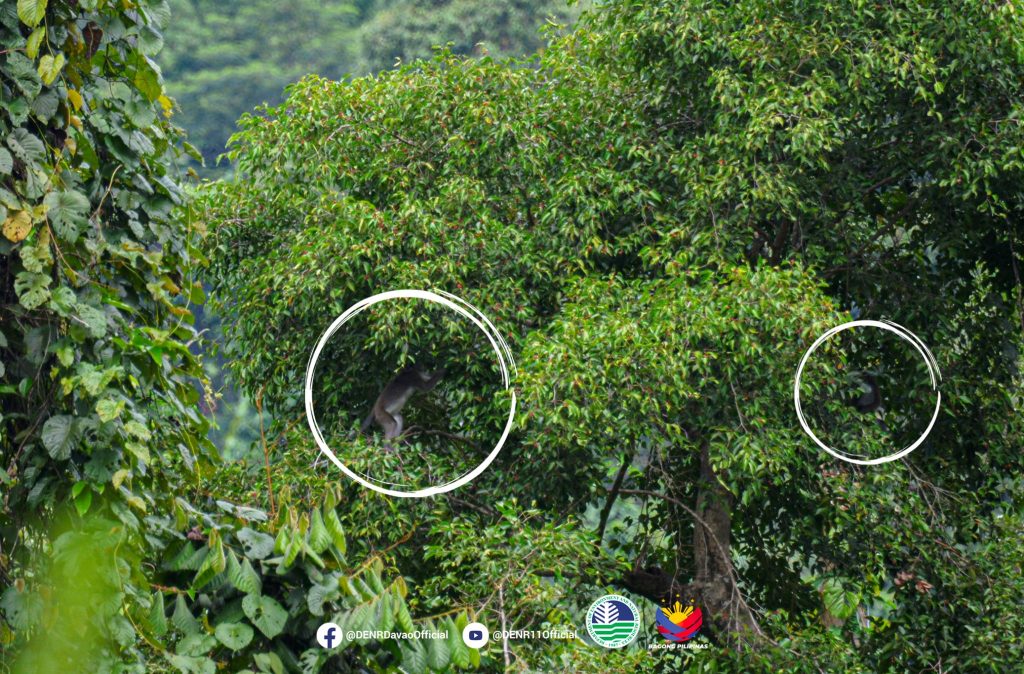
Beyond the squirrel sighting, the monitoring activity revealed a thriving wildlife community. Among the species recorded were the Philippine green pigeon, Southern Rufous Hornbill, White-bellied woodpecker, Writhed hornbill, Philippine flying lemur, and Philippine long-tailed macaque. Their presence underscores the ecological integrity of APL’s forest ecosystem—one of the country’s critical biodiversity strongholds.
However, not all species are thriving without threat. Under DENR Administrative Order No. 2019-09, both the Philippine green pigeon and the Writhed hornbill are classified as Vulnerable, while the Rufous hornbill is listed as Endangered—signaling a high risk of extinction in the wild without sustained conservation efforts.
PAMO officials emphasized that continued biodiversity monitoring remains essential, not only to document species presence but also to evaluate conservation strategies and detect changes in wildlife populations over time. The recent sighting, they said, highlights both the richness of the ecosystem and the urgent need to strengthen protection measures.
Plans are now underway to enhance monitoring capabilities, including the acquisition of specialized equipment that will allow more accurate documentation and proper species identification. These improvements are expected to bolster ongoing conservation initiatives and ensure the long-term sustainability of the protected landscape.
As the forests of Aliwagwag continue to reveal their hidden inhabitants, each rare sighting serves as both a scientific milestone and a reminder: much of the Philippines’ natural heritage remains unseen—and increasingly at risk—without vigilant stewardship.