
The War That Won’t Slow Down
The war between the United States–Israel coalition and Iran is rapidly evolving into one of the most dangerous geopolitical crises in recent years. Even after the reported death of Iran’s Supreme Leader, Ayatollah Ali Khamenei, the conflict has not slowed—if anything, it is intensifying. Symbolic signals such as the raising of Iran’s red flag of vengeance, rooted in Shi’a tradition and representing blood, retaliation, and justice, indicate that the confrontation may enter a more aggressive phase. The situation is changing almost every hour, and the possibility of broader regional escalation remains very real. Yet while missiles and military bases dominate headlines, the more silent and far-reaching consequences are economic and strategic. Wars in the Middle East do not stay confined within its borders; they ripple outward through energy markets, trade routes, labor migration, and security dynamics. For the Philippines, the impact is already forming, and the region that could feel it most severely is Mindanao.
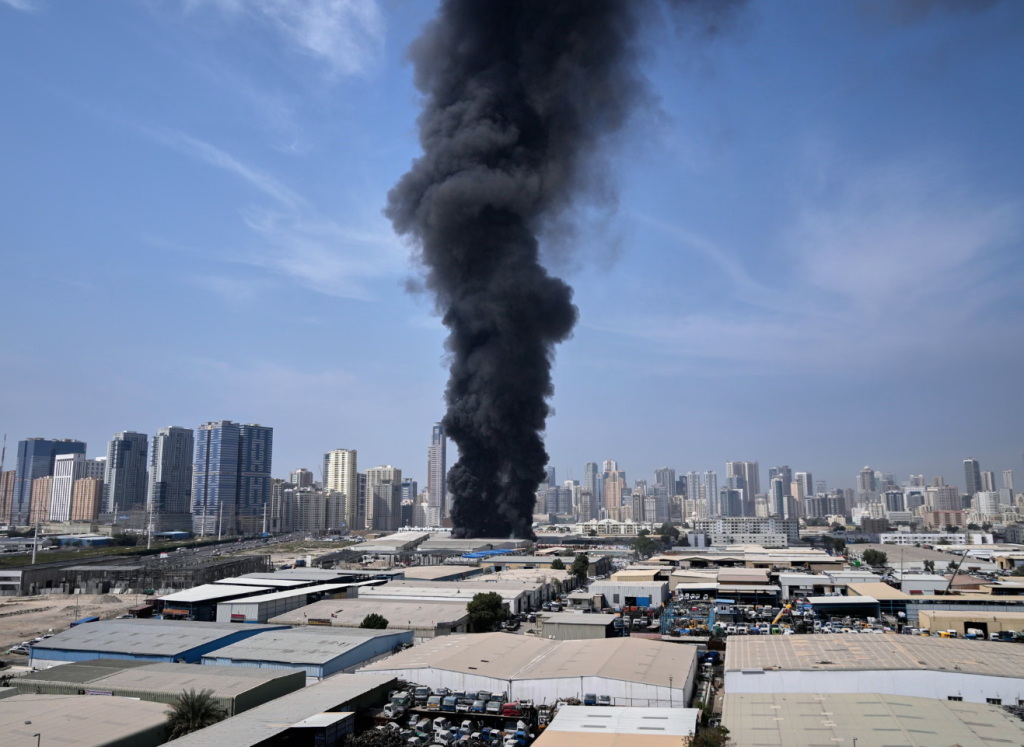
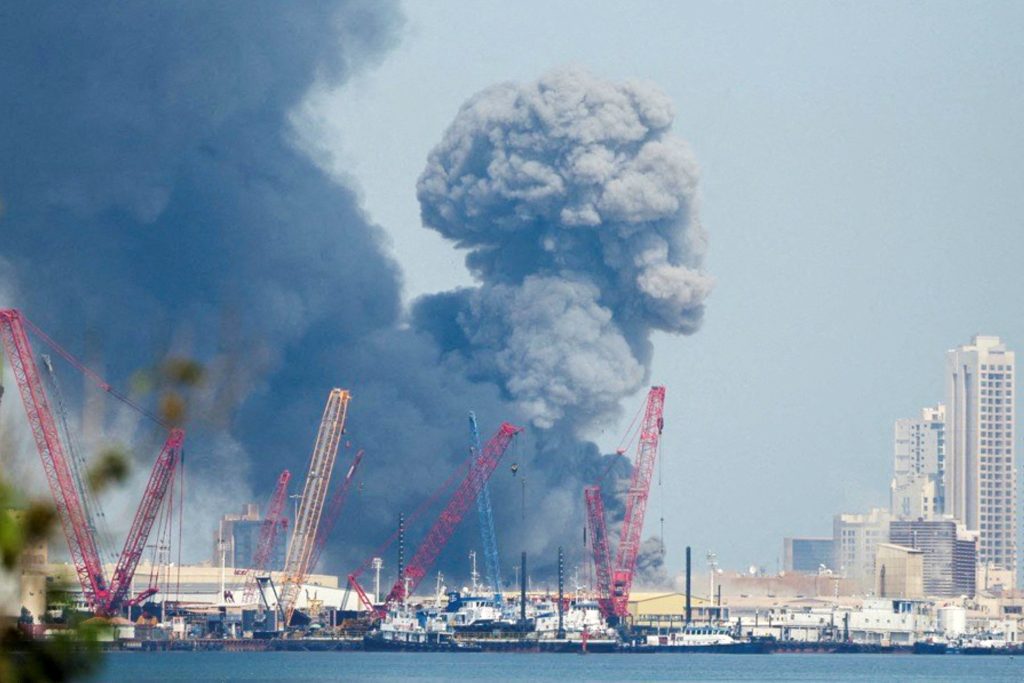
The Strait of Hormuz and the Global Energy Lifeline
At the center of the unfolding crisis is the disruption around the Strait of Hormuz, one of the most strategically important maritime chokepoints on Earth. This narrow waterway connects the Persian Gulf to the Gulf of Oman and the Arabian Sea, serving as the main export corridor for oil and gas from Middle Eastern producers to the rest of the world. Recent reports showing container ships and oil vessels making sudden U-turns or pausing their voyages highlight how quickly global supply chains react when conflict threatens this route. Even the mere risk of instability in Hormuz can drive oil prices upward, as insurers raise premiums, shipping companies reroute vessels, and energy markets anticipate shortages. If the situation worsens or the passage remains restricted, the consequences could trigger a worldwide energy shock—higher fuel prices, inflation, slower economic growth, and increased shipping costs across continents. For countries that rely heavily on imported fuel, the impact can be immediate and severe.
Mindanao and the Oil Price Inequality Crisis
Among the regions that may bear the brunt of this crisis is Mindanao, where the cost of fuel has historically been higher than in Luzon and the Visayas due to supply chain complexities, logistics, and distribution gaps. The Philippines imports more than 90 percent of its oil, much of it tied to supply routes connected to the Middle East. When global oil prices surge because of conflict, local fuel prices follow quickly. However, the existing disparity means that Mindanao often experiences these increases more sharply. This creates a scenario where motorists, farmers, fisherfolk, transport operators, and small businesses in the region pay significantly more than their counterparts elsewhere in the country. Once fuel prices climb, the consequences cascade through the economy—public transport fares rise, delivery costs increase, and businesses are forced to pass additional expenses on to consumers. For many communities, this could mean paying more for almost every aspect of daily life.
The Domino Effect on Food, Agriculture, and Daily Survival
The oil crisis triggered by the war will not stop at gasoline stations. Fuel is deeply embedded in nearly every stage of the supply chain—from production to distribution. Farmers rely on fuel for machinery, irrigation systems, and transporting crops. Fisherfolk depend on diesel-powered boats to go out to sea. Food distributors need fuel to move products from farms to markets and from ports to cities. When oil prices surge globally, these costs accumulate across the entire system. In Mindanao, where agriculture and fisheries remain major sources of livelihood, the effects could be particularly harsh. The war in the Middle East could translate directly into higher prices for rice, vegetables, fish, and other essential goods in local markets. For households already dealing with limited income and rising living costs, this economic pressure could push many families closer to food insecurity and deeper financial hardship.
The Economic Blow to the Working Class and the Poor
The economic ripple effect from the conflict threatens to hit the working class and the poor hardest—groups that make up a significant portion of Mindanao’s population. When oil prices rise, inflation quickly follows. Electricity costs increase, transportation becomes more expensive, and production costs climb across industries. Unfortunately, wages rarely increase at the same pace as inflation, leaving many workers struggling to keep up with rising expenses. This creates a dangerous economic imbalance where households spend more while earning the same or even less. For daily wage earners, small vendors, laborers, and informal sector workers, the impact can be immediate and severe. Over time, sustained inflation driven by energy costs can slow economic activity, reduce purchasing power, and push already vulnerable communities deeper into poverty. If the war continues or expands, the Philippines could face a prolonged economic strain that disproportionately affects Mindanao.
The OFW Time Bomb: Families at Risk
Another critical dimension of the crisis involves Overseas Filipino Workers, many of whom come from Mindanao and are employed across the Middle East. These workers serve as a lifeline for families back home through remittances that support education, healthcare, food, and daily living expenses. However, as tensions escalate and the possibility of wider regional conflict grows, Filipino workers may face sudden evacuation, job loss, or contract suspensions. If the situation deteriorates further, thousands could be forced to return home unexpectedly. This raises urgent questions about whether the government has a comprehensive contingency plan. Repatriation alone is not enough; reintegration into the local economy is equally critical. Without jobs waiting for them, returning workers could face unemployment, while their families—who depend heavily on remittances—could struggle to survive. Communities in Mindanao that rely on these financial lifelines may face a significant social and economic shock.
The Security Dimension: A Risk Mindanao Knows Too Well
Beyond economics, there is also a security dimension that cannot be ignored. Mindanao has experienced in the past how conflicts in the Middle East can influence local dynamics, particularly through ideological sympathies, propaganda, and attempts at recruitment by extremist groups. When wars involving major regional powers intensify, narratives linked to these conflicts sometimes resonate with individuals or networks that share ideological alignments. This does not automatically translate into immediate threats, but history shows that global conflicts can sometimes inspire local actors. The risk becomes more complex when considering the presence of U.S.-linked military cooperation sites in the Philippines, which could place the country within a broader geopolitical context if the conflict expands. In such an environment, vigilance and preparedness become essential, especially in regions where past experiences have shown how external conflicts can influence local security situations.
The Strategic Failure: No National Oil Reserve
One of the most alarming revelations highlighted by the current crisis is the absence of a government-controlled strategic petroleum reserve in the Philippines. Many nations maintain emergency oil stockpiles capable of sustaining national demand for at least 90 days during global disruptions. The Philippines, however, largely relies on private sector compliance through the Minimum Inventory Requirement, which provides only around a month’s supply. In times of global stability, this may seem sufficient. But in a major international crisis where supply routes are threatened and prices spike rapidly, this limited buffer exposes the country to significant risk. Considering that the nation has long known about its heavy dependence on imported fuel—particularly from the Middle East—the failure to build a national reserve raises serious concerns about long-term energy security planning. It also fuels criticism that while resources existed, the political will to prioritize energy security was lacking.
Government Response: Monitoring Is Not Enough
So far, government statements have largely focused on monitoring the situation and expressing concern, especially after reports that a Filipina has already died amid the conflict. While monitoring developments is necessary, it is not enough given the scale of potential consequences. The Philippines is already indirectly involved through economic exposure, energy dependence, and the presence of its citizens in the conflict region. Waiting for the situation to worsen before implementing decisive actions could leave the country vulnerable to sudden shocks. What is urgently needed is a proactive national strategy—one that addresses energy security, prepares for possible OFW evacuation and reintegration, protects vulnerable economic sectors, and strengthens security monitoring in areas that may be affected by geopolitical tensions.
The Reality: We Are Already in the Blast Radius
Modern wars no longer remain confined to the countries directly involved. Their effects travel through global markets, migration systems, supply chains, and political alliances. The escalating confrontation in the Middle East is already sending warning signals that the world economy may soon feel its impact more deeply. For the Philippines, and particularly for Mindanao, the risks are real and immediate—from rising fuel prices and inflation to economic strain, potential OFW displacement, and security concerns. The harsh reality is that while the war may be geographically distant, the country is already within its economic and strategic blast radius. The real issue now is not whether the conflict will affect the Philippines—it already will. The pressing question is whether the nation will act proactively and prepare, or once again be forced to respond only after the crisis has fully arrived.