
The sudden closure of Agrinanas Company Development Inc., a major player in the banana export industry in Bukidnon, has sent shockwaves across Talakag and Libona. Overnight, more than 5,000 plantation workers—and by extension, their families—were left in limbo. What was once the steady backbone of their livelihood has been ripped away, leaving only uncertainty, frustration, and questions about justice.
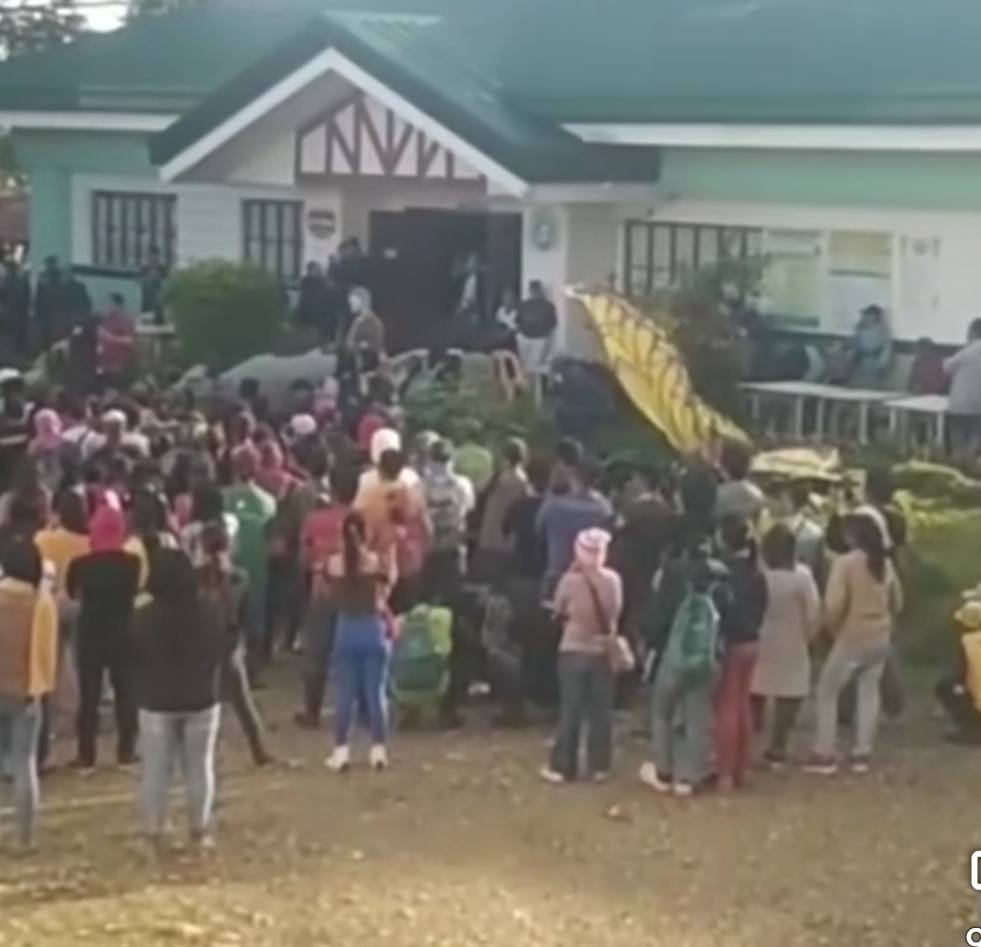
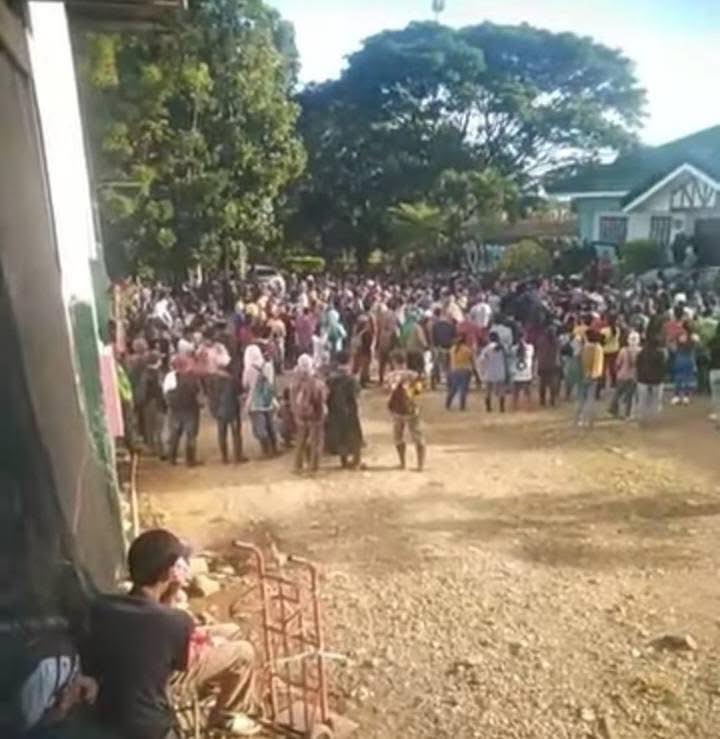
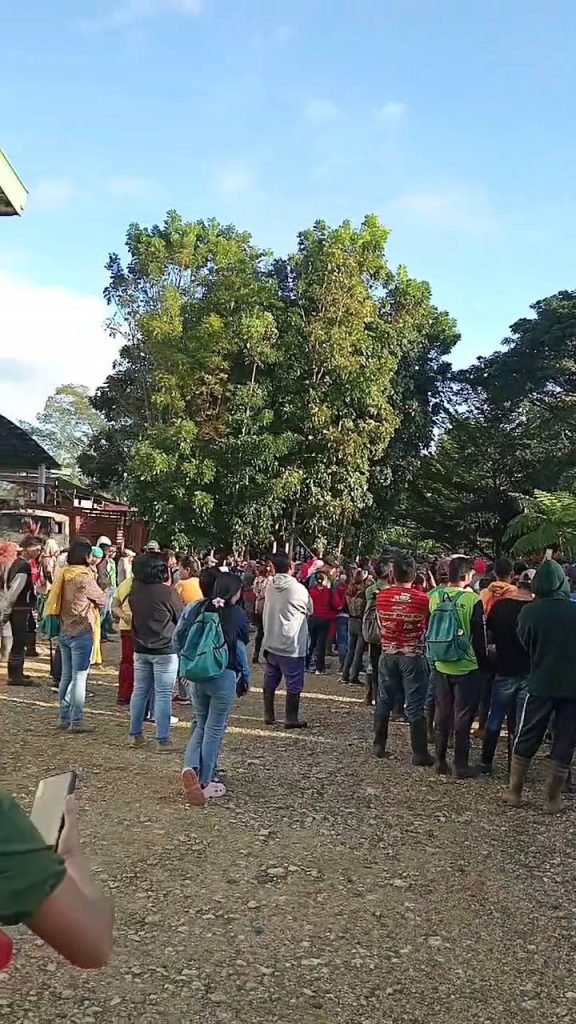
Agrinanas declared bankruptcy, citing “increased competition from other countries” as the main reason for its collapse. But let us be clear: the way this shutdown unfolded exemplifies how, time and again, corporate decisions prioritize profit margins over human lives. For two decades, workers broke their backs under the sun, ensuring shipments of bananas reached international markets, fueling company revenues. And yet, when financial storms came, the corporation folded its cards, leaving its workers stranded without guarantees of full compensation, tenure security, or even the dignity of a proper 30-day notice as mandated by law.
The Broken Promises of Security
Former union president Anthony Hingking revealed that Agrinanas had promised to pay workers starting this August 20 until September. But the fact remains: these promises are thin air without legal enforcement. Many families are now wondering how to pay debts, how to put food on the table, how to send their children to school.
Even more alarming are claims by legal experts that Agrinanas may have violated the Labor Code, specifically the requirement for a 30-day notice before closure. If proven, the company could face over P150 million in obligations—a staggering figure that underscores how deep the betrayal runs. Bankruptcy should not be a convenient escape hatch for companies to abandon their duties to workers.
Communities as Collateral Damage
The collapse of Agrinanas is not just the story of a company shutting down. It is the story of entire communities plunged into economic uncertainty. In rural Bukidnon, where options for alternative employment are scarce, the loss of a single major employer creates ripples that affect sari-sari stores, transport operators, local suppliers, and even government coffers. A once-thriving local economy is now gasping for air.
The farmers and plantation workers are the backbone of Bukidnon’s banana industry, yet they are the first casualties whenever corporations pull out. It’s a cruel irony: the very hands that cultivated the export crop are now left with nothing to harvest but poverty.
The Corporate Playbook: Profit First, Workers Last
The Agrinanas case mirrors a recurring pattern across industries: when the company thrives, shareholders and executives profit; when it falters, workers are told to fend for themselves. Companies enjoy the fruits of labor during good times, but in times of crisis, laborers become expendable. This corporate playbook is as old as capitalism itself—and it has to end.
Some workers cling to hope that Agrinanas’ “sister company” might take over operations and rehire them. But even this possibility underscores a deeper problem: workers are being treated as afterthoughts in boardroom negotiations. Their futures hang on decisions made by executives who rarely step foot in the plantations.
A Call for Accountability
The government cannot sit idly by while thousands of workers are thrown into economic freefall. This is not just a company matter—it is a matter of social justice. The Department of Labor and Employment (DOLE) must ensure that Agrinanas pays every peso owed to its workers. Courts must scrutinize whether the bankruptcy declaration was legitimate or merely a tactic to shed financial obligations.
Moreover, we need stronger laws that prevent corporations from suddenly abandoning workers. Bankruptcy should not absolve employers of their responsibilities. Workers should have first claim over company assets, ensuring that wages, benefits, and separation pay are prioritized before creditors and investors.
The Larger Lesson
The closure of Agrinanas is a sobering reminder of the fragility of workers’ rights in this country. Despite laws, unions, and labor codes, when corporations decide to walk away, workers are almost always left on the losing side. This imbalance of power between labor and capital must be addressed if we are to call ourselves a society that values fairness and dignity.
We must reimagine an economy where workers are not disposable. Where companies cannot simply declare bankruptcy and wipe their hands clean of obligations. Where the wealth generated by labor does not flow upward only to vanish when times are tough.
Until then, the 5,000 families of Bukidnon are left asking a question that should haunt us all: after years of service, is this all we’re worth?