
The Philippines is taking a significant step forward in expanding inclusive tourism, as the Department of Tourism (DOT) deepens its engagement with Indonesia’s growing Umrah and Hajj travel market. Through a recent familiarization program, tourism officials and industry stakeholders highlighted the country’s readiness to welcome Muslim travelers with culturally respectful services, diverse destinations, and strengthened partnerships with international travel operators.
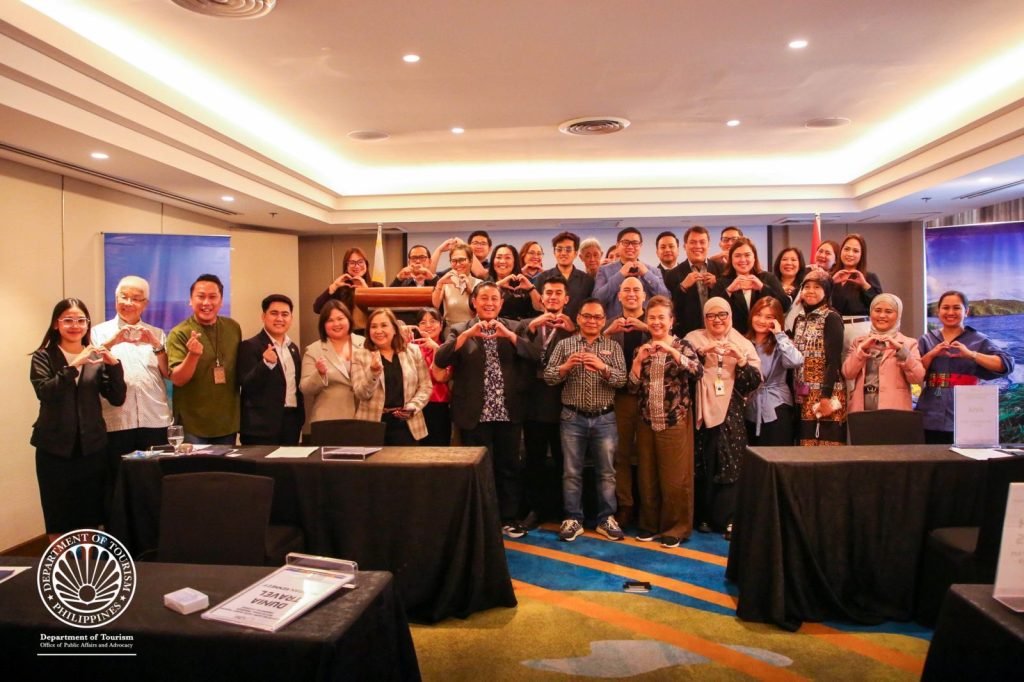

From February 10 to 13, 2026, the DOT hosted eleven Indonesian Umrah and Hajj travel agents for the Indonesia Layover Familiarization Trip. The initiative aimed to position the Philippines as an attractive stopover and leisure destination for Muslim pilgrims traveling to and from the holy city of Mecca in Saudi Arabia—one of the most important global pilgrimage routes that generates millions of travelers each year.
Building New Tourism Bridges
The program created valuable business-to-business exchanges between Indonesian travel buyers and Philippine tourism stakeholders. Hotels, tour operators, and destination managers presented curated travel offerings designed specifically for Muslim travelers. These included island destination tours, short layover experiences, and golf tourism packages—products that showcase the Philippines’ unique blend of natural beauty, culture, and relaxation.
Delegates were also given firsthand experiences of the country’s heritage and wellness destinations. Among the sites visited were the historic walled city of Intramuros and the wellness attraction Puning Hot Spring in Pampanga, both of which highlighted the Philippines’ diverse tourism offerings beyond traditional beach destinations.
These experiences are part of a broader strategy by the DOT to strengthen tourism partnerships in Southeast Asia and to open new pathways for travelers seeking culturally inclusive and meaningful journeys.
Growing Muslim-Friendly Tourism in the Philippines
A key highlight of the Philippines’ tourism pitch is its expanding network of Muslim-friendly facilities and services. The country now has 55 Muslim-friendly Accommodation Establishments (MFAEs), reflecting efforts by both government and private sector partners to make travel more inclusive for Muslim visitors.
Tourism Secretary Christina Garcia Frasco emphasized that these developments are part of the government’s ongoing campaign to ensure Muslim travelers feel welcomed and respected throughout their stay. Several major hotel groups have already begun implementing halal-friendly practices and services to cater to this growing market segment.
The DOT is also strengthening infrastructure support in Mindanao, with the Tourism Infrastructure and Enterprise Zone Authority constructing Tourist Rest Areas in the provinces of Sulu and Tawi-Tawi—regions seen as strategic gateways for Muslim travelers and cultural tourism.
A Market Full of Opportunity
Indonesia remains an important tourism partner for the Philippines. The country welcomed 48,964 Indonesian visitors last year, making Indonesia the Philippines’ 17th top source market for international tourists. Tourism officials see even greater potential as millions of Indonesian pilgrims travel annually for faith-based journeys, many of whom are open to meaningful layover experiences.
While arrivals from Muslim-majority markets saw some fluctuations in recent data, tourism leaders remain optimistic. Efforts to develop halal-friendly products, strengthen marketing campaigns, and build stronger ties with travel operators across Asia and the Middle East are already creating renewed momentum.
Notably, markets such as Malaysia, Indonesia, Brunei, and the United Arab Emirates continue to play an important role in the Philippines’ tourism growth, alongside emerging markets like Bangladesh where economic and trade relations with Manila have been steadily improving.
Inclusive Tourism as the Way Forward
For the Philippines, expanding engagement with Muslim travelers is more than a market strategy—it is a commitment to inclusive tourism that respects culture, faith, and diversity. By aligning destinations, services, and partnerships with the needs of Muslim visitors, the country is positioning itself as a welcoming gateway in Southeast Asia for both pilgrimage layovers and unforgettable leisure travel.
As the DOT continues to forge new collaborations and improve Muslim-friendly infrastructure, the Philippines is steadily strengthening its reputation as a destination where travelers from all cultures and faiths can feel at home.