
TURTLE ISLANDS, Tawi-Tawi — For six harrowing days, hunger, exhaustion, and fear stalked 84 passengers stranded at sea after the motor launch M/L Nurdia broke down while sailing from Zamboanga City to Taganak. Among those fighting for survival was a six-month-old infant, carried through pounding waves and dwindling hope.
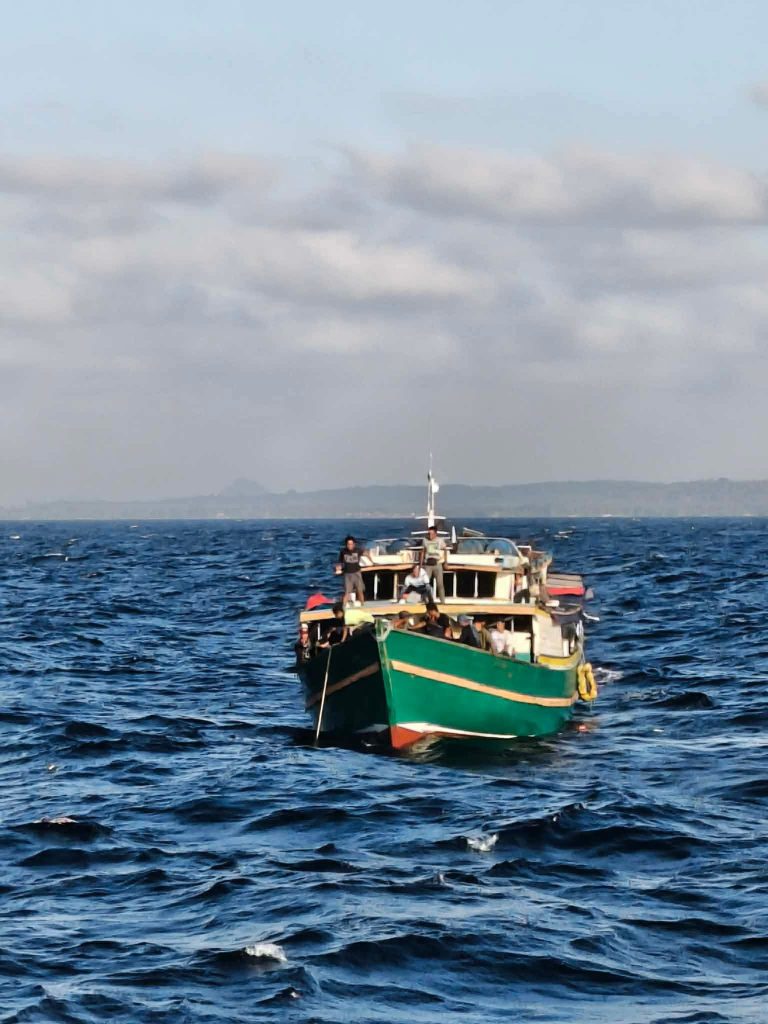
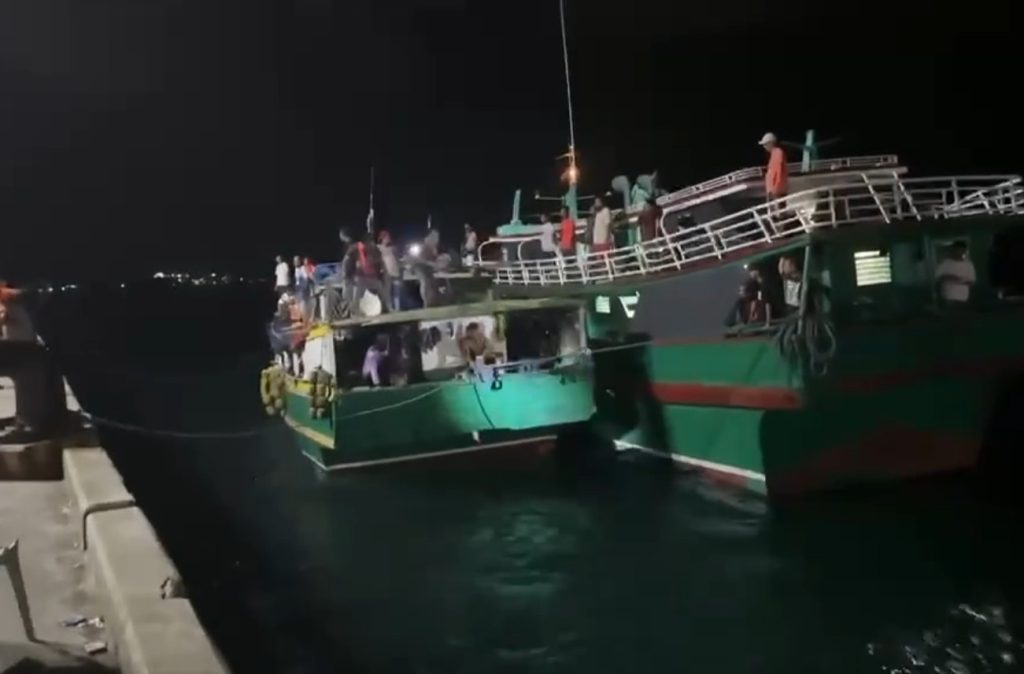
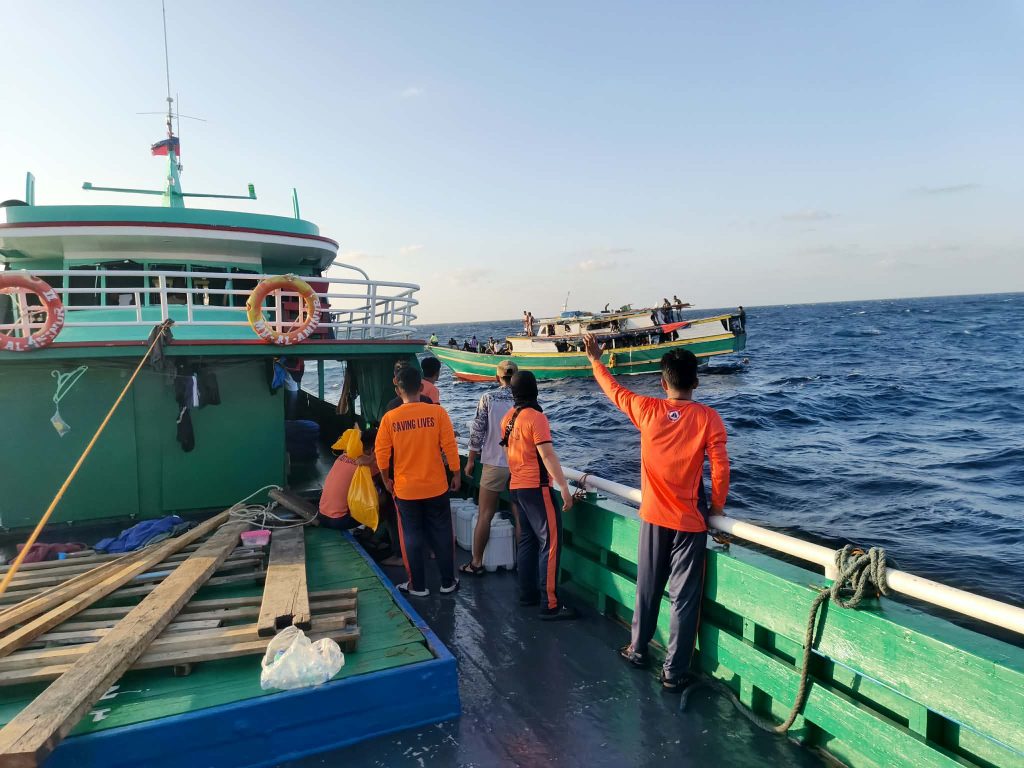
The vessel suffered engine trouble and later a damaged rudder amid deteriorating weather, leaving it dead in the water and drifting across perilous waters near the country’s southernmost frontier. With food supplies running out and fatigue setting in, passengers endured days of uncertainty under rough seas—each sunrise arriving without assurance of rescue.
Relief finally came through a swift, multi-agency response led by the Philippine Coast Guard, with Coast Guard Station Central Tawi-Tawi, CG Sub-Station Bongao, and supporting units mounting search-and-rescue operations despite adverse conditions. All survivors were safely recovered, underscoring the lifesaving impact of rapid coordination and maritime vigilance.
Navy First Responders in the Night
Critical to the rescue was the timely intervention of the Philippine Navy. On the night of January 16, 2026, the patrol vessel BRP Juan Magluyan (PC392), operating under the Western Mindanao Naval Command, detected a flashing light some 46 nautical miles east of Taganak. Battling rough seas, its crew rescued 30 passengers—including a pregnant woman, two senior citizens, and five children—bringing them safely ashore by dawn.
Naval officials said the outcome reaffirmed the value of sustained patrols in remote, high-risk corridors near international sea routes off Sabah, Malaysia, where rapid detection can mean the difference between life and death.
Humanitarian Aid and United Response
Following successive rescue operations, survivors were brought to Bongao for assessment, rest, and security. Immediate relief—food packs, biscuits, coffee, and potable water—was distributed by Coast Guard and volunteer auxiliaries to counter the effects of prolonged deprivation at sea.
The operation drew broad support from national and local authorities, including the Provincial Government of Tawi-Tawi under Yshmael “Mang” I. Sali, the Municipal Government of Bongao led by Jasper S. Que, and the Municipal Government of Turtle Islands under Hja. Jay Sayang L. Jamalul. Disaster offices, social services, maritime units, and volunteers worked in concert to ensure continued care and onward transport.
Local officials also confirmed close coordination with Malaysian authorities as a precaution, given the vessel’s proximity to international waters during the ordeal.
A Life Lost, Many Saved
Authorities later confirmed that one passenger died, casting a somber note over an otherwise successful mission. The Turtle Islands local government extended condolences to the bereaved family, with community leaders calling for unity, prayers, and renewed commitment to maritime safety.
Lessons from the Ordeal
For responders, the incident is a stark reminder of the stakes at sea—and the necessity of capable assets, routine patrols, and seamless inter-agency coordination. For survivors, it is a testament to endurance and the power of collective action.
As the Philippine Coast Guard and Philippine Navy reiterated after the rescue: every life on the water matters. In the country’s farthest reaches, constant maritime presence remains the strongest lifeline—carrying not only rescue, but hope.