
SIBUTU, Tawi-Tawi — In the farthest southern frontier of the Philippines, where the vast waters of the Sibutu Passage connect the country to neighboring maritime territories, a quiet but significant environmental victory is unfolding along the shores of Sibutu Island.
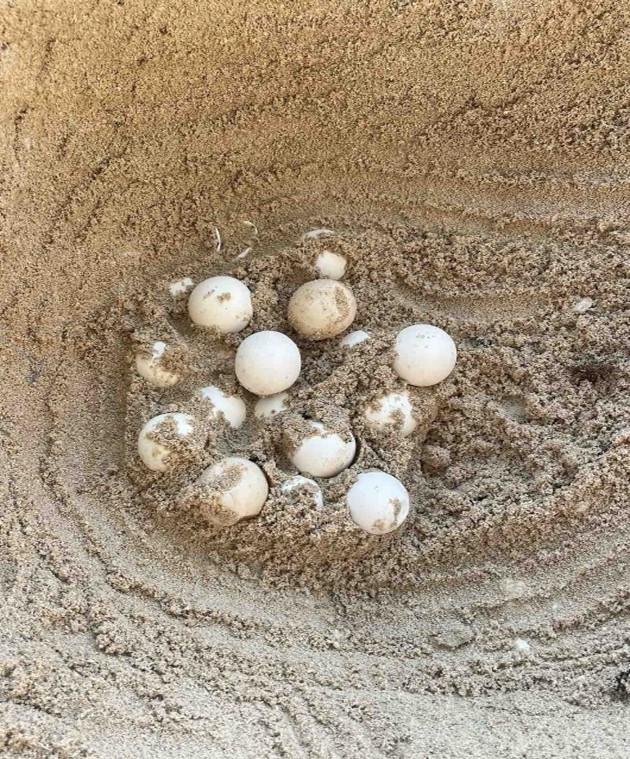
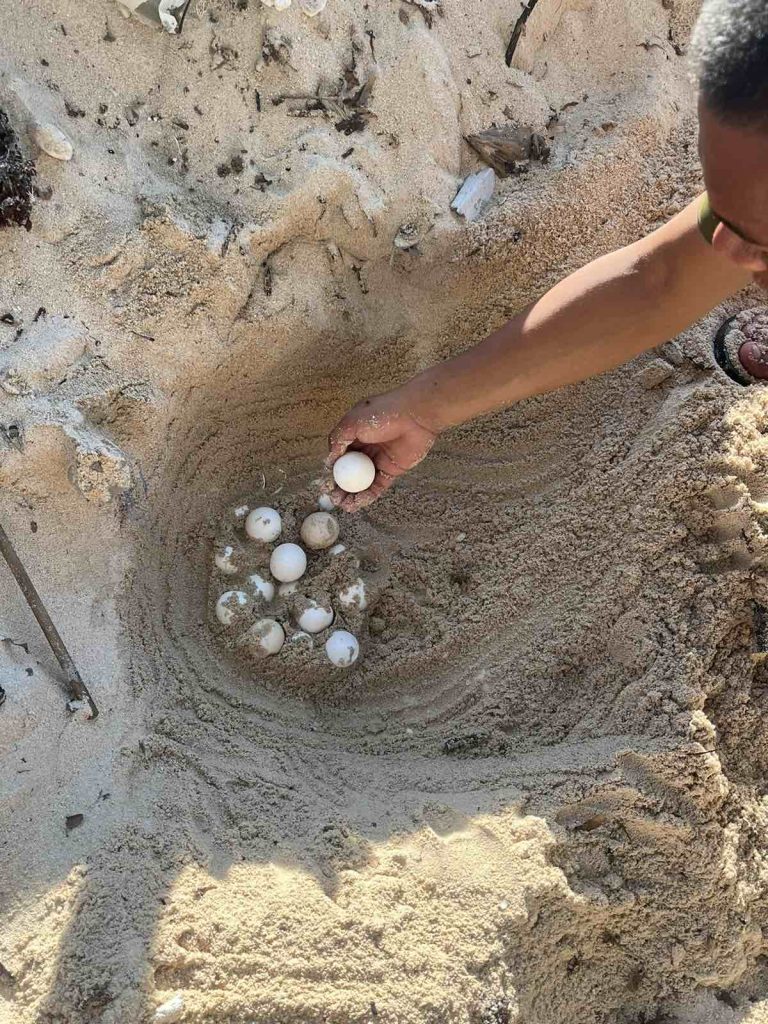
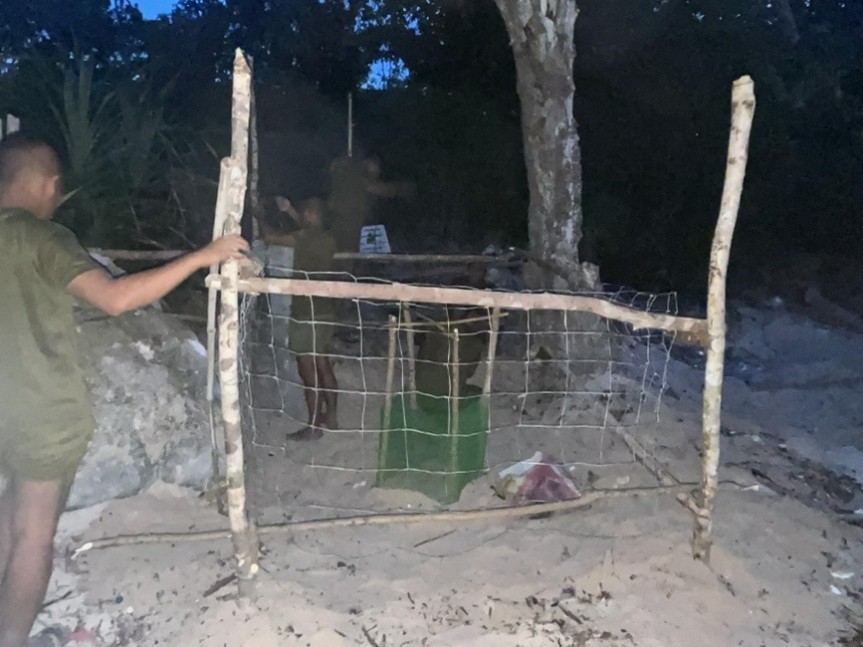
The constant presence of the Philippine Marines under the 4th Marine Rifle Battalion (4MRBn) has transformed the island’s coastlines into a protected sanctuary for marine wildlife, particularly endangered sea turtles that have begun returning safely to the beaches to lay their eggs free from disturbance and poaching.
For years, remote coastal areas in southern maritime communities have remained vulnerable to illegal fishing, wildlife poaching, and destructive coastal activities that threaten fragile ecosystems. But through intensified environmental protection operations, the 4MRBn has strengthened its role not only as defenders of the nation’s territorial integrity but also as protectors of its natural heritage.
According to military officials, the battalion has sustained continuous mobile, maritime, and foot patrols across the island municipality to deter unlawful activities and secure critical biodiversity areas. The operations are part of the implementation of the Seaborne Maneuver in Littoral Environment (SMILE) concept, a military operational framework designed to maintain persistent presence in coastal and littoral zones.
Beyond security objectives, the strategy has produced a direct environmental impact.
The once-threatened nesting grounds of sea turtles in Sibutu are now experiencing renewed activity as marine wildlife gradually reclaims the shores. The uninterrupted movement of sea turtles along the island’s coastlines has become a visible sign of improving ecological protection in the area.
Military personnel assigned in Sibutu regularly conduct shoreline patrols, monitor remote coastal communities, and coordinate with local stakeholders to prevent illegal harvesting of turtle eggs and other destructive practices affecting marine ecosystems.
The Sibutu Passage, known as one of the country’s important maritime corridors, is home to rich marine biodiversity and serves as a vital ecological zone in the southern Philippines. Its waters support various marine species and provide livelihood to coastal communities dependent on fishing and marine resources.
Authorities emphasized that safeguarding the environment has become an integral part of territorial defense operations in island municipalities like Sibutu, where ecological security and national security are closely interconnected.
The 4MRBn said its mission extends beyond military presence, highlighting the importance of preserving coastal ecosystems for future generations. By securing remote shorelines and maintaining visibility in vulnerable maritime areas, the battalion has effectively discouraged illegal activities that once threatened the island’s wildlife.
Residents and local stakeholders have also observed the growing presence of marine life in protected coastal zones, reflecting the positive effects of sustained environmental patrols and stricter coastal monitoring.
As environmental threats continue to challenge many coastal areas in the country, Sibutu Island stands as an example of how security operations and environmental conservation can work together to protect both people and nature.
With its continuing patrols across the southern maritime frontier, the 4th Marine Rifle Battalion remains steadfast in its commitment as the “Guardians of the Sibutu Passage” — defending not only the nation’s borders, but also the fragile marine ecosystems thriving within them.