
ZAMBOANGA CITY – The Mampang National High School welcomed a significant addition to its campus on Monday, September 1, with the turnover of a newly constructed four-storey building housing 20 classrooms, a project aimed at easing congestion and improving learning conditions for students.
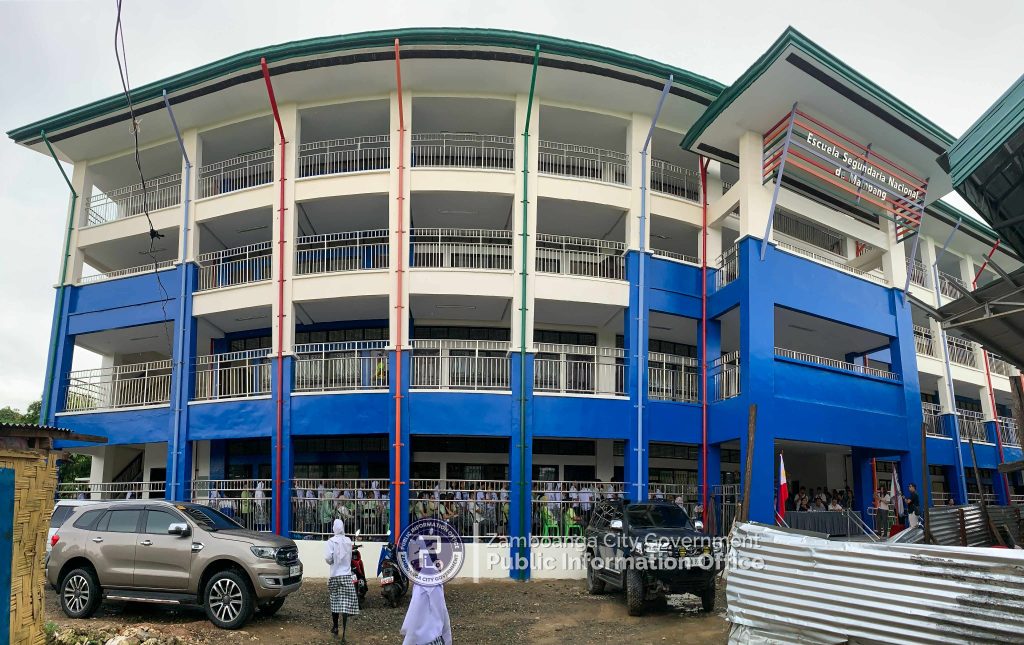

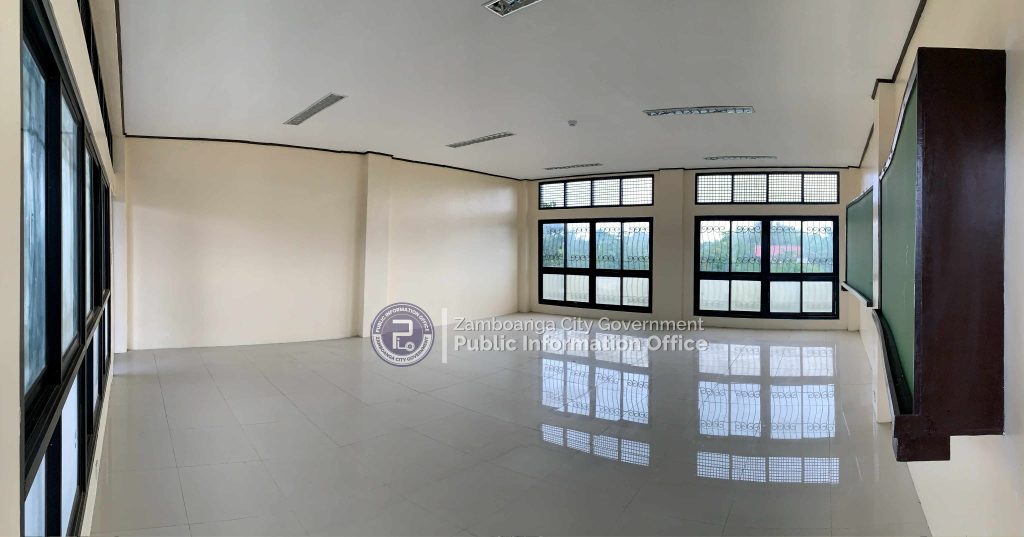
The P56.94-million facility, built by AEJ Hardware Construction & Enterprises under the supervision of the City Engineer’s Office, was formally handed over to the Department of Education (DepEd) in a ceremony attended by city and school officials.
Mayor Khymer Olaso, joined by City Engineer Christopher Navarro, led the turnover rites, turning over the project to DepEd representative Engr. Benjamin Saligan of the Division Office, Mampang National High School Principal Norman Torreciba Jr., and Barangay Chairperson Banjung Aliangan, along with teachers, students, and community leaders.
In his message, Olaso underscored the significance of the project not only as an infrastructure investment but also as a foundation for shaping future generations. He encouraged students and faculty to maximize the use of the facility and to nurture it as a space for creativity, curiosity, and ambition.
“This building should be more than just a physical structure. It must serve as a beacon of knowledge, a sanctuary for learning, and a nurturing ground for future leaders,” Olaso said. “Let it inspire students to dream big, strive for excellence, and become productive citizens of our society.”
The mayor also reaffirmed his administration’s commitment to prioritizing education by building more school facilities to decongest classrooms and provide a more conducive learning environment. He stressed that expanding access to quality education is central to the city’s long-term vision for its youth.
Olaso further acknowledged the role of former Mayor John Dalipe, whose administration initiated the project, expressing gratitude for the continuity of programs that strengthen the city’s education sector.
With the new building, Mampang National High School is expected to better accommodate its growing student population, addressing long-standing challenges in classroom shortages.