
Island Garden City of Samal, Davao del Norte — What should have been an ordinary school day turned into a nightmare on August 19, 2025, when 14-year-old Janah Gere Paster, a Grade 9 student at Mambago-B National High School in Babak District, was electrocuted by a dangling live wire inside the school premises. She died instantly, while another student remains confined and fighting to recover.
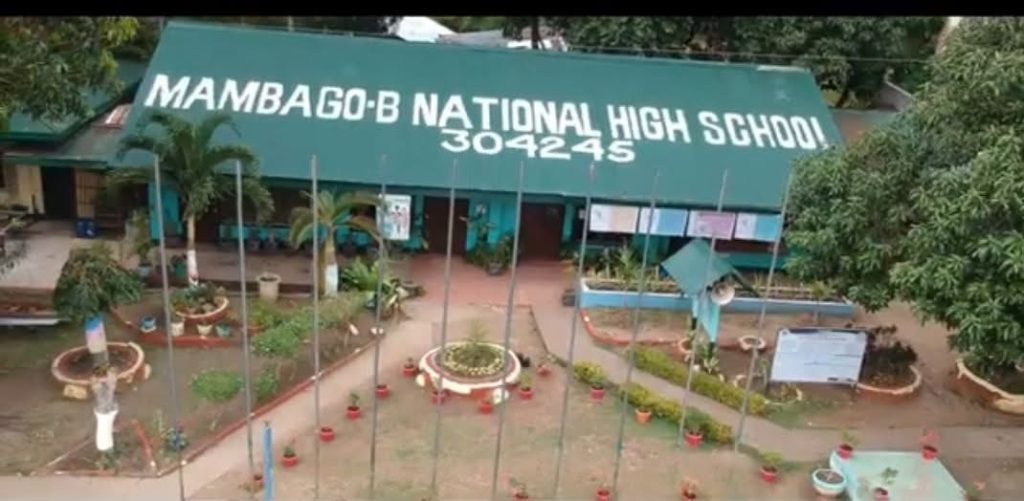
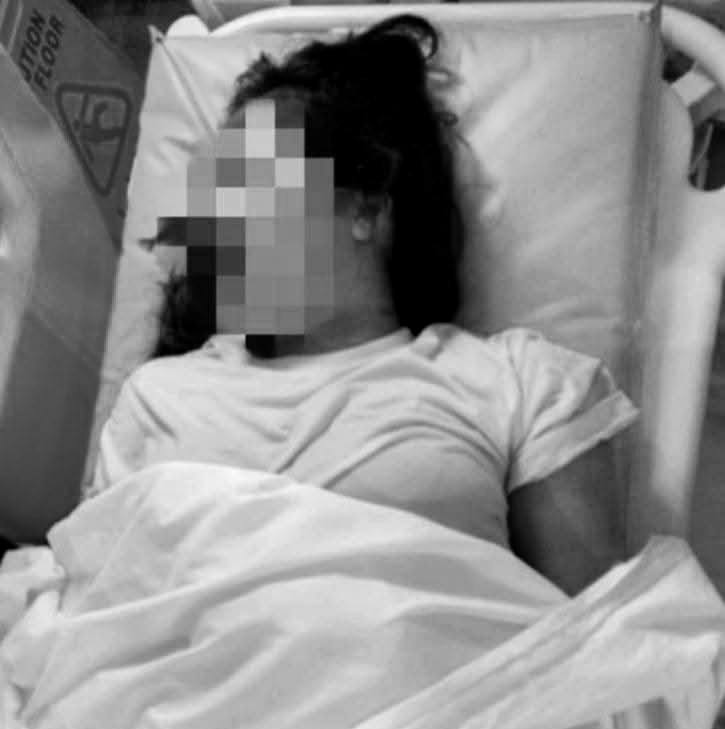
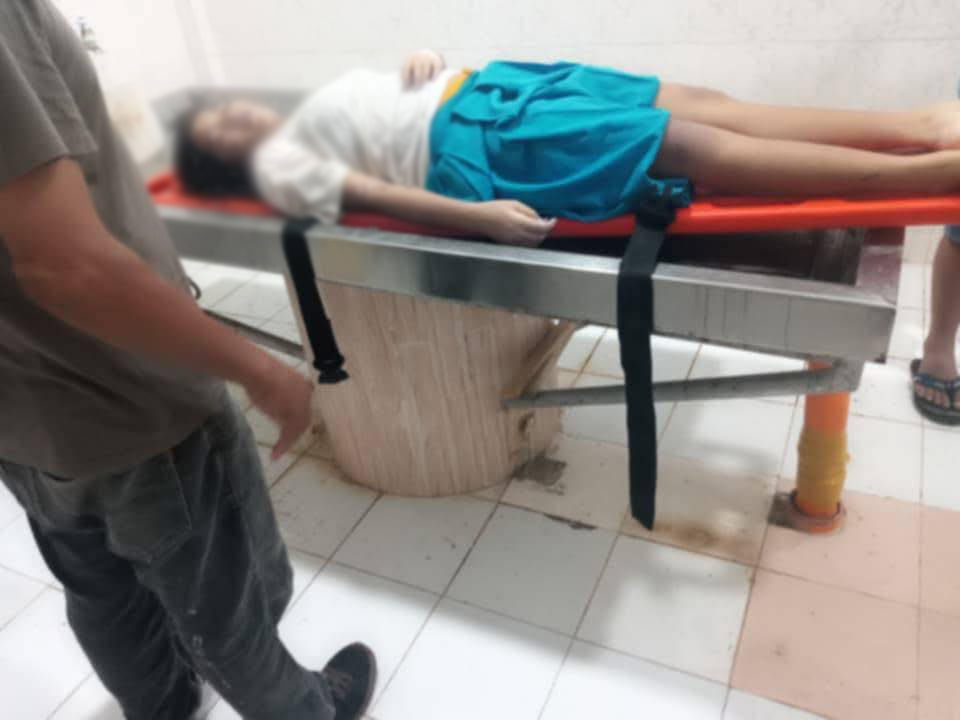
The incident has sparked outrage among parents and residents who pointed to gross negligence on the part of school authorities. According to witnesses, several incidents of animals being electrocuted in the same spot had already been reported, yet the live wire was left exposed — a ticking time bomb that eventually claimed a young life.
Parents’ Anguish and Demand for Accountability
“Hindi ko matanggap na namatay ang anak ko dahil sa kapabayaan. Pumasok siyang buo, pero inuwi naming bangkay,” lamented Femia Paster, Janah’s grieving mother. The family has vowed to file charges against those they hold responsible, particularly the school’s administration, for failing to address the hazard.
Calls for accountability have grown louder in the community, with many demanding not only justice for Janah but also stronger safety protocols in all schools to ensure no other parent suffers the same fate.
Officials Scramble After the Fact
In the wake of the tragedy, the School Division Office of IGACOS (SDO-IGACOS) and the local government have launched investigations. Inspections of all electrical systems in schools under their jurisdiction are now being rushed — but for the Paster family, such measures are “too little, too late.”
City Mayor Lemuel “Toto” Reyes visited the bereaved family and ordered a crackdown on unsafe wirings and hanging utility lines across Samal. He also directed internet service providers to fix their faulty installations. Education Secretary Sonny Angara has extended support to the family, but critics argue that government action often comes only after lives are lost.
A Preventable Death
The tragedy has highlighted what many describe as a culture of neglect when it comes to safety in public schools. The exposed live wire that killed Janah was no hidden danger — it was a clear hazard that had been ignored. For parents, the question is not only how this happened but why authorities failed to act before disaster struck.
Janah’s remains will be laid to rest on August 30, but her death leaves behind a painful reminder: without strict enforcement of safety standards, regular inspection, and preventive maintenance, schools remain potential death traps instead of safe havens for children.
As the investigation proceeds, the family and the community of Samal demand more than condolences — they demand accountability.