
BUTUAN CITY — Two members of the Philippine National Police (PNP) are facing an adultery complaint after they were allegedly caught together inside an inn in Butuan City by the husband of one of the officers.

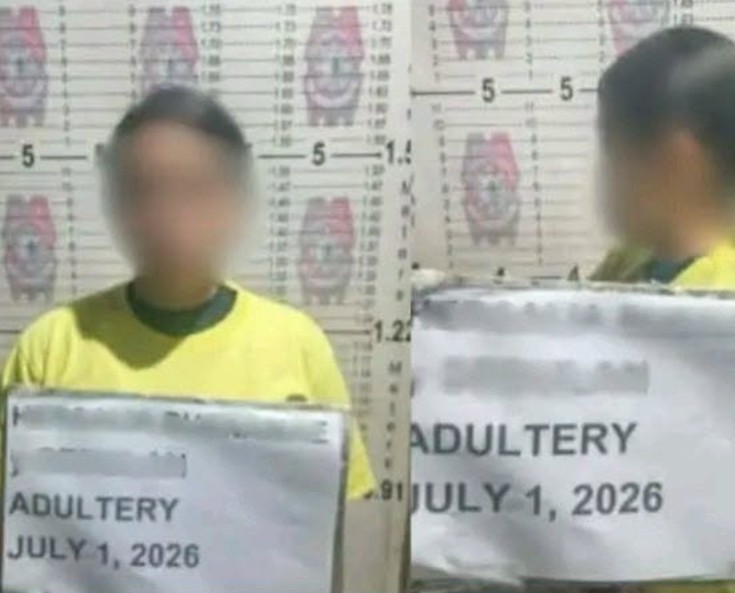
According to an initial police report, a 27-year-old patrolman sought assistance from the Butuan City Police Station 3 at around 5:13 a.m. on July 1, 2026, following an incident at an inn located in Luz Village, Barangay Bayanihan.
The patrolman reported that he discovered his wife, who is also a member of the PNP, allegedly inside one of the inn’s rooms with another police officer holding the rank of Police Senior Master Sergeant (PSMS).
The complainant claimed that upon his arrival at the room, the senior police officer allegedly attempted to hide underneath the bed before a confrontation ensued between the husband and his wife.
Authorities said the incident prompted the patrolman to immediately report the matter to the police station and seek legal assistance.
Investigators are currently gathering evidence, including closed-circuit television (CCTV) footage from the establishment, to support the filing of the complaint and establish the sequence of events.
Police sources said the husband intends to pursue an adultery case against both respondents. Under Philippine law, adultery is a criminal offense allegedly committed by a married woman who has sexual relations with a man other than her husband, with the man being criminally liable if he knew that the woman was married.
The identities of the police officers involved have not been publicly disclosed as of this writing.
Authorities have yet to release an official statement regarding the status of any criminal or administrative proceedings arising from the incident.
Likewise, the two police officers accused in the complaint have not issued public statements addressing the allegations.
The case remains under investigation, and authorities are expected to determine whether sufficient evidence exists to formally pursue both criminal and possible administrative charges against the respondents.