
There are controversies that pass like noise. And then there are those that strike at the very core of a people’s identity. The uproar surrounding the Lechon Festival during Kaamulan Festival 2026 is unmistakably the latter.
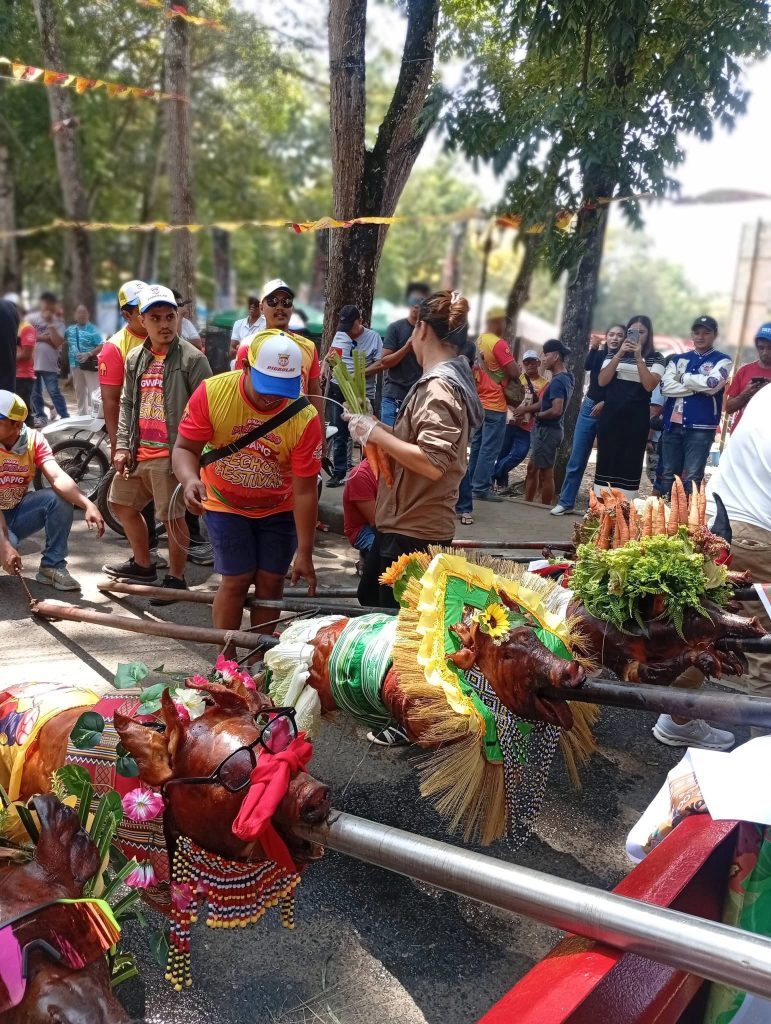
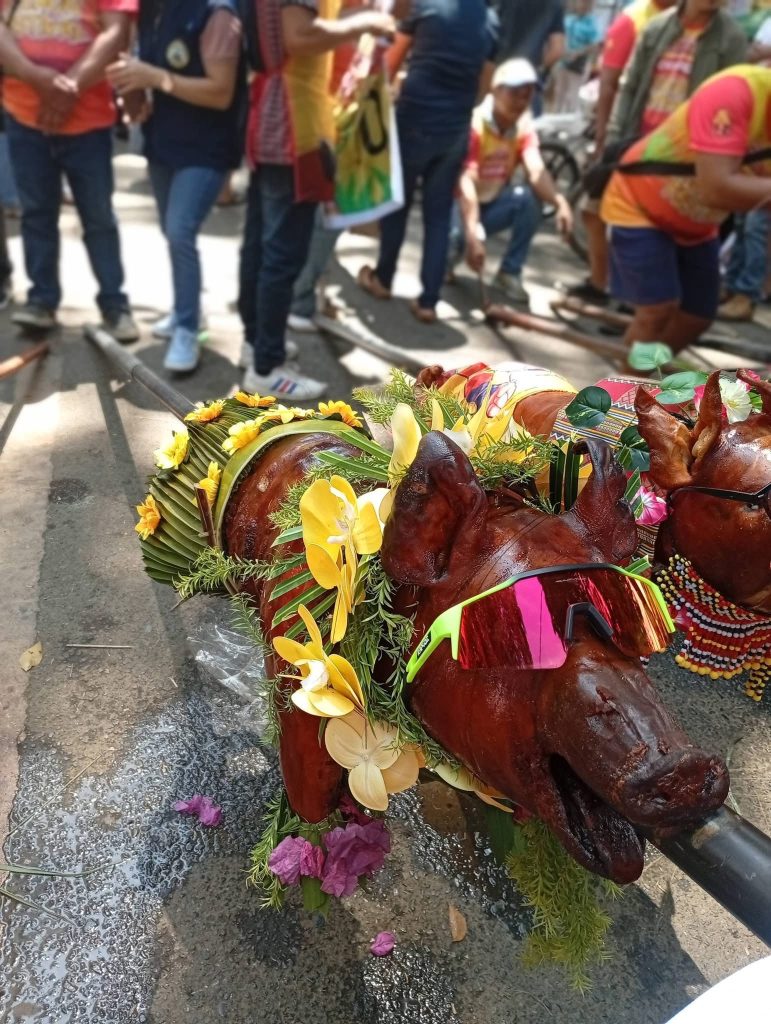
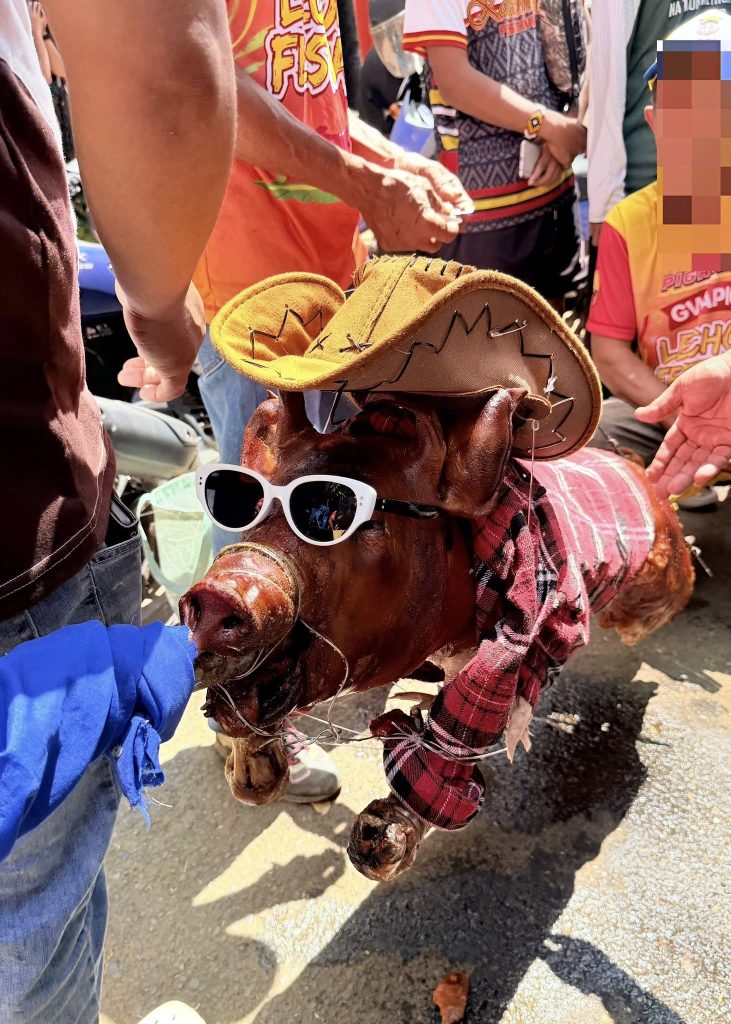
What should have been a celebration of unity has instead exposed a painful truth: somewhere along the way, the line between cultural appreciation and outright disrespect was not just blurred—it was crossed.
At the center of this outrage is the act of adorning roasted pigs with sacred indigenous accessories—beads, necklaces, symbols that are not mere ornaments but embodiments of identity, spirituality, and ancestral memory. For the seven tribes of Bukidnon—Bukidnon, Higaonon, Talaandig, Manobo, Matigsalug, Tigwahanon, and Umayamnon—these are not decorations. They are living symbols of belief systems older than the Philippine state itself.
To reduce them into props for a food display is not creative expression. It is desecration.
When Talaandig cultural leader Waway Linsahay Saway II publicly expressed his anger, it was not mere indignation—it was a warning. His call to “set things straight” reflects a deeper frustration shared across indigenous communities who have long fought not just for recognition, but for respect.
The condemnation from the National Commission on Indigenous Peoples (NCIP) in Bukidnon only reinforces the gravity of the issue. According to Provincial Officer Ronaldo Baya-on, there was no coordination with tribal leaders or the agency. That absence is telling. It reveals a systemic problem: decisions about indigenous representation are still being made without indigenous voices at the table.
And that is precisely the problem.
Kaamulan, derived from the Binukid word “amul” meaning “to gather,” is not a mere festival. It is a sacred convergence—a space for rituals, for the installation of datus, for thanksgiving, for spiritual renewal. It is where the past meets the present, not where it is trivialized for spectacle.
The Bukidnon Tribal Youth Ambassadors put it bluntly: “Kaamulan is not a lechon festival.” That statement should not need explaining—but here we are.
What happened is not a simple “mistake,” as some might argue. It is a manifestation of a deeper cultural insensitivity that continues to plague indigenous communities. The idea that sacred objects can be repurposed for entertainment without consequence reflects a dangerous mindset: that indigenous culture is available for consumption, interpretation, and misuse by anyone.
It is not.
The accessories placed on those lechons are tied to rituals like Pangampo (worship), Panlisig (driving away evil spirits), and Pamalas (atonement). These are not relics. They are active, sacred practices. To attach them to a slaughtered animal is not just inappropriate—it is offensive at a spiritual level.
For many Lumad, this is not symbolic harm. It is real harm. Some even describe it as a curse—a violation that disrupts the balance between the physical and spiritual worlds.
And yet, this incident did not happen in isolation. It happened within a broader context where festivals increasingly cater to tourism, spectacle, and economic gain. There is nothing inherently wrong with evolving traditions or incorporating modern elements. But evolution without respect becomes erasure.
The involvement of local government units and the agriculture office, as clarified by Events Committee Chair Jun Cruz, raises another critical question: who is accountable when culture is mishandled?
Because accountability cannot end with statements of clarification. It must lead to structural change.
Consultation with indigenous leaders should not be optional—it should be mandatory. Cultural representation should not be improvised—it should be guided by those who live and breathe it. And most importantly, sacred elements should never be commodified.
The Kaamulan Festival has long been a symbol of unity in diversity. But unity cannot exist without respect. And respect cannot exist without understanding.
If this controversy achieves anything, it should be this: a reckoning.
A reminder that culture is not a costume. It is not a theme. It is not a marketing tool.
It is identity.
And identity, once disrespected, does not easily forgive.