
COTABATO PROVINCE — The Department of Environment and Natural Resources in Region 12 (DENR-12) is supporting the provincial government of Cotabato in establishing an inter-agency task force to strengthen wildlife law enforcement and protect the Philippine Eagle, the country’s national bird, following reported incidents involving the death of one eagle in Arakan and the injury of another in Magpet.
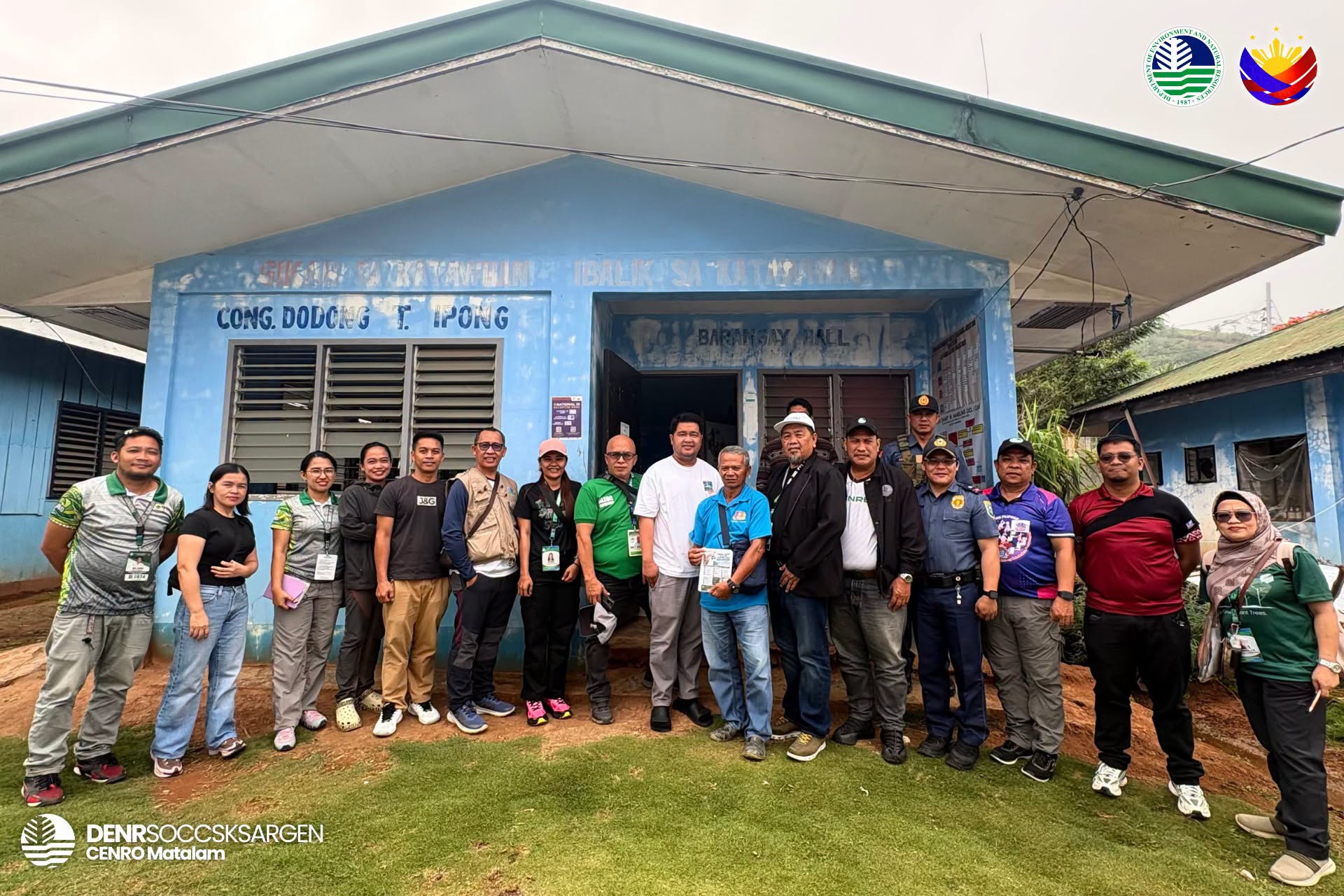
The proposed Inter-Agency Task Force Philippine Eagles in Arakan and Magpet will bring together national government agencies, local government units, law enforcement personnel, conservation groups, barangays, Indigenous Peoples communities, and other stakeholders to improve the protection of the endangered raptor and its natural habitat.
The task force is expected to be formalized through an executive order to be issued by Cotabato Governor Emmylou “Lala” J. Taliño-Mendoza. Its establishment aims to strengthen coordination among authorities in responding to wildlife-related incidents, investigating suspected violations, and preventing further harm to Philippine Eagles in the province.
The initiative comes as authorities seek to address incidents involving the country’s national bird and reinforce the implementation of existing environmental and firearms laws.
Joint investigation launched into eagle incidents
On October 9, 2026, a joint inter-agency investigation was conducted into the death of a Philippine Eagle in Barangay Libertad, Arakan, and the injury of another eagle in Barangay Manobo, Magpet.
The incidents remain under investigation. Authorities have yet to establish the circumstances surrounding the reported death and injury, and any determination of responsibility will depend on the findings, available evidence, and applicable laws.
The planned task force is expected to help authorities respond more quickly to similar incidents, coordinate field investigations, document suspected wildlife offenses, preserve evidence, and facilitate appropriate legal action against individuals found responsible for violations.
Its responsibilities will also include coordinating the rescue and veterinary treatment of injured eagles, monitoring their habitats, preventing shooting and trapping, and conducting information campaigns to increase public awareness of wildlife protection.
The involvement of barangays and Indigenous Peoples communities is expected to be particularly important in areas where eagle habitats overlap with communities and ancestral lands. Local residents can help authorities identify threats, report suspicious activities, and support conservation efforts through community-based monitoring.
Wildlife law provides for imprisonment and fines
The initiative will reinforce the implementation of Republic Act No. 9147, or the Wildlife Resources Conservation and Protection Act, which establishes the legal framework for protecting wildlife species and their habitats, conserving biodiversity, and maintaining ecological balance.
The law prohibits various unlawful acts involving wildlife and assigns responsibilities to government agencies tasked with conservation and enforcement.
Under Section 28 of RA 9147, penalties vary according to the classification of the wildlife species involved and the nature of the offense. For certain illegal acts involving species classified as critical, the penalties may include imprisonment of six years and one day to 12 years and/or fines ranging from ₱100,000 to ₱1 million, subject to the specific circumstances and applicable provisions of the law.
The penalties are not automatically applicable to every wildlife-related incident. Investigators and prosecutors must establish the facts, determine the specific offense involved, and assess the available evidence before appropriate charges and sanctions can be pursued.
The executive order is also expected to promote coordination in enforcing Republic Act No. 10591, or the Comprehensive Firearms and Ammunition Regulation Act, and other relevant laws when illegal firearms or weapons are suspected to have been used in wildlife-related incidents.
This approach recognizes that protecting wildlife may require more than environmental monitoring alone. Where evidence points to the use of illegal firearms, law enforcement agencies must also investigate possible violations of firearms regulations and other applicable criminal laws.
Protecting the Philippine Eagle requires more than enforcement
The Philippine Eagle is a critically endangered species whose survival depends on the protection of suitable forest habitats and the prevention of human-caused threats. The reported incidents in Arakan and Magpet underscore the importance of effective enforcement, timely investigations, and stronger cooperation between government institutions and communities.
However, establishing a task force will only be a first step. Its effectiveness will depend on whether agencies can respond promptly to reports, conduct credible investigations, protect evidence, pursue cases when warranted, and sustain conservation activities beyond the initial public attention surrounding an incident.
Regular habitat monitoring, community education, coordination with conservation specialists, and accessible reporting mechanisms will be essential to making the initiative effective. Authorities must also ensure that residents understand the legal consequences of harming protected wildlife and know how to report suspected violations without putting themselves at risk.
At the same time, investigations must remain evidence-based and follow due process. The death of one eagle and the injury of another are serious conservation concerns, but responsibility must be established through proper investigation rather than assumption.
DENR-12 is calling on the public to report suspected wildlife offenses and support efforts to protect the Philippine Eagle and its habitat.
The proposed task force represents a coordinated response to wildlife protection in Cotabato. Its ultimate measure of success, however, will not simply be the issuance of an executive order, but whether it helps prevent further incidents, strengthens accountability, and ensures that the country’s national bird can survive in the forests where it belongs.