
Assistance aims to support recovery, protect welfare, and help victim-survivors rebuild their lives and reintegrate into their communities
MAGPET, Cotabato Province — Nineteen victim-survivors of human trafficking received financial assistance from the Department of Social Welfare and Development Field Office XII (DSWD FO XII) on October 15, 2026, as part of continuing efforts to support their recovery, protect their welfare, and facilitate their reintegration into their communities.
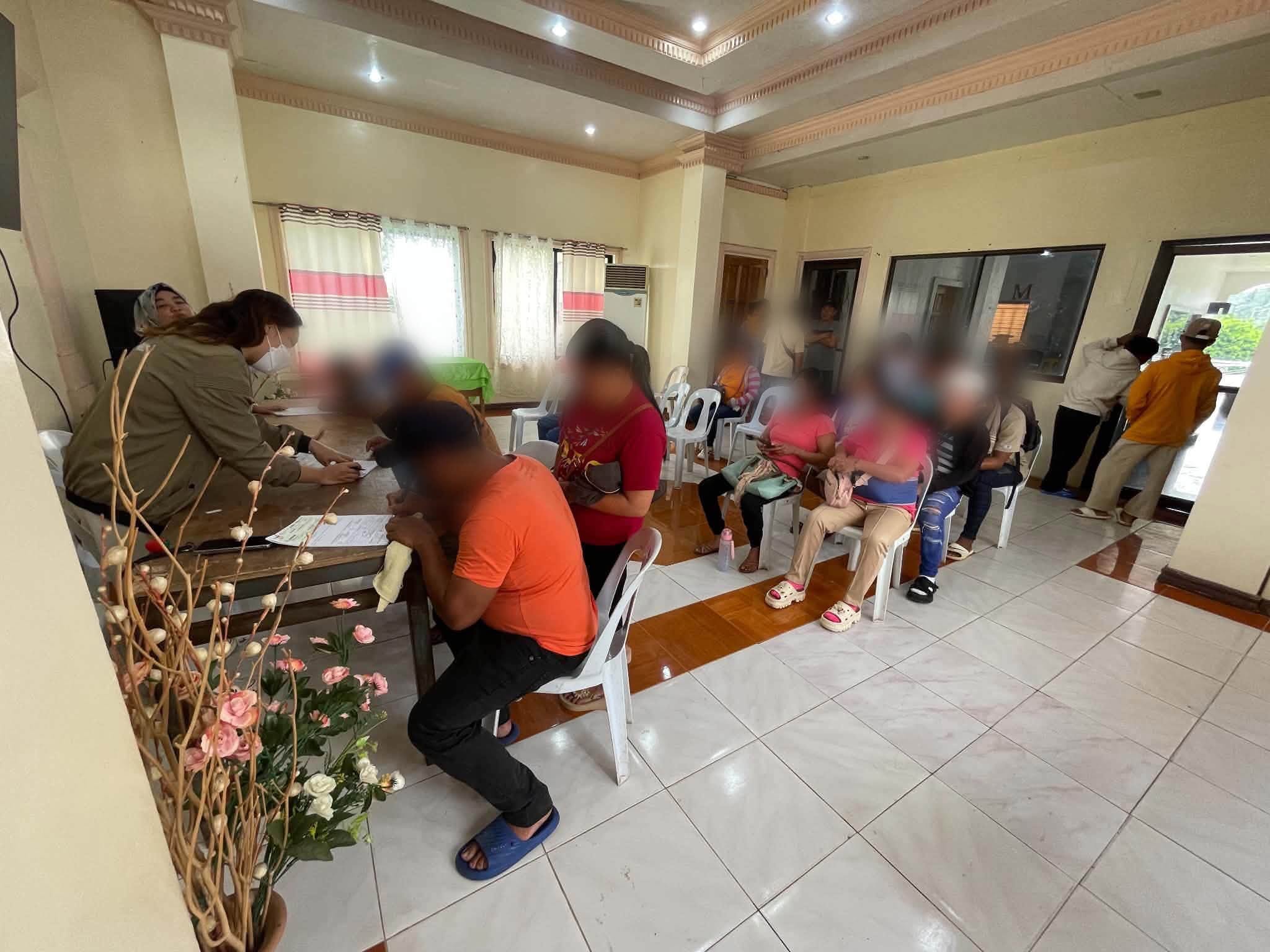
The assistance was provided through the agency’s Recovery and Reintegration Program for Trafficked Persons (RRPTP), which seeks to help trafficking victim-survivors regain stability and access appropriate support services as they work toward rebuilding their lives.
Each of the 19 beneficiaries received ₱5,000, bringing the total financial assistance distributed to ₱95,000.
The initiative was implemented in coordination with the Municipal Social Welfare and Development Office (MSWDO) of Magpet, the Mindanao Migrants Center for Empowering Actions, Inc. (MMCEAI), and the Regional Anti-Online Child Exploitation and Trafficking Task Force XII (RACETTF XII).
The collaboration brings together government social welfare services and partner organizations involved in addressing trafficking and exploitation, particularly in ensuring that victim-survivors receive assistance beyond their initial rescue or repatriation.
Beyond financial assistance
The provision of financial support underscores the importance of helping trafficking victim-survivors address their immediate needs while navigating the often difficult process of recovery and reintegration.
For individuals who have experienced trafficking, returning to their communities does not necessarily mean that recovery is complete. They may still need assistance in rebuilding their livelihoods, regaining a sense of security, accessing social services, and restoring their ability to live independently.
While the ₱5,000 assistance per beneficiary provides immediate financial support, sustained recovery may also require continuing social welfare interventions, appropriate referrals, and monitoring of each survivor’s circumstances.
DSWD FO XII said it continues to monitor the welfare of repatriated trafficking victim-survivors to help ensure their safety, recovery, and successful reintegration into their respective communities.
This continuing monitoring is an important component of aftercare, as victim-survivors may remain vulnerable to exploitation and other risks if their needs are not adequately addressed following their return.
Coordinated support for victim-survivors
The participation of the Magpet MSWDO, MMCEAI, and RACETTF XII highlights the role of coordinated intervention in responding to trafficking cases.
Local social welfare offices can help assess the needs of beneficiaries and connect them with available community-based services, while partner organizations and specialized task forces can contribute to broader protection and anti-trafficking efforts.
Such coordination is particularly important in ensuring that assistance reaches the intended beneficiaries and that their needs are addressed through appropriate support mechanisms.
However, financial assistance is only one component of a comprehensive response to human trafficking. Long-term reintegration also depends on access to sustainable livelihood opportunities, psychosocial support when needed, protection from further exploitation, and continuing assistance that respects the dignity, privacy, and individual circumstances of victim-survivors.
Sustaining recovery and preventing re-exploitation
The latest intervention in Magpet reflects the continuing role of DSWD and its partners in assisting trafficking victim-survivors as they transition toward rebuilding their lives.
Ensuring that these efforts translate into lasting recovery requires more than the distribution of financial aid. It also calls for consistent follow-up, accessible social services, community-based support, and appropriate safeguards against renewed exploitation.
DSWD FO XII’s continued monitoring of repatriated victim-survivors is intended to help address these concerns and support their safe return to community life.
The October 15 assistance distribution provided ₱95,000 to 19 beneficiaries. The agency’s continuing aftercare efforts remain central to helping ensure that victim-survivors receive support as they pursue recovery, stability, and reintegration.
The identities of the victim-survivors are withheld to protect their privacy and dignity.