
In the early days of American rule in the Philippines, when the echoes of the Philippine–American War had barely faded, a new and fierce front opened in Mindanao. It was here, along the shores of Lake Lanao, that one of the first major confrontations of the Moro Rebellion erupted—the Battle of Bayang on May 2-3, 1902, known to the Maranao people as Padang Karbala.
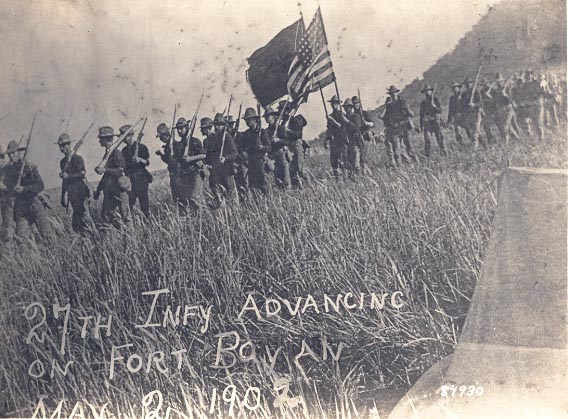
More than a century later, this battle remains not just a historical episode, but a symbol of resistance, identity, and the enduring struggle over land, sovereignty, and dignity.
A Clash Rooted in Sovereignty and Misunderstanding
The seeds of the conflict were planted long before the first shots were fired. The United States, fresh from defeating Spain, believed it had secured sovereignty over the entire Philippine archipelago through agreements like the Bates Agreement of 1899 with the Sultan of Sulu.
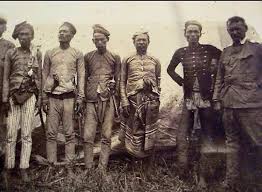
But the Maranao datus of Lanao did not see themselves as subjects of this arrangement. For them, sovereignty was not transferable, and their communities remained independent political entities. Tensions deepened as Moros suspected that, like the Spanish before them, the Americans aimed to undermine Islam and impose foreign rule.
The killing of local leaders—such as Datu Amirul by American forces—further inflamed resentment. When incidents in Malabang and Parang led to the deaths of American soldiers, the response was swift and decisive.
The March to Bayang: Into Unfamiliar Terrain
Under the command of Frank D. Baldwin, over a thousand American troops embarked on a grueling expedition from Malabang toward Bayang. They traversed dense jungles, waded through mud, and battled disease—discovering quickly that Mindanao’s terrain and warfare were unlike anything they had encountered.
Yet while the Americans held superior firepower, the Maranao defenders possessed something equally formidable: intimate knowledge of the land, fortified positions called cottas, and a fierce will to defend their homeland.
The Assault: Courage, Bloodshed, and Resistance
The battle unfolded in two phases—first at Binidayan, then at Pandapatan, the latter being the main stronghold.
The Americans captured Binidayan relatively quickly. But at Pandapatan, they met a wall of resistance. The Maranao forces, led by their sultans, had prepared elaborate defenses: trenches, sharpened bamboo stakes, and concealed pits.
What followed was brutal, close-quarters combat.
American forces struggled to breach the defenses. Lieutenant Thomas Vicars was killed in the assault, and troops faced fierce counterattacks. The fighting dragged on until nightfall, with both sides suffering heavy losses.
By morning, however, the tide had turned. The Maranao defenders—having endured artillery bombardment and sustained casualties—raised white flags. The fort fell. The Sultan of Bayang was killed while attempting to escape.
Aftermath: Victory and Controversy
For the United States, the battle was declared a victory. President Theodore Roosevelt himself praised the troops. American newspapers portrayed it as a decisive blow against “insurrection.”
But behind the scenes, military leaders like Adna Chaffee criticized Baldwin’s actions, calling them rash and poorly executed. There were concerns that the campaign had unnecessarily escalated tensions and jeopardized ongoing peace efforts led by officers like John J. Pershing.
For the Maranaos, however, the narrative was entirely different.
The fallen were not rebels—they were martyrs.
Padang Karbala: A Sacred Memory
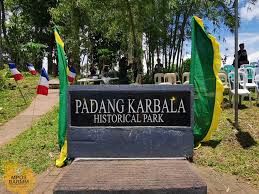
Among the Maranao people, the Battle of Bayang is remembered as Padang Karbala, drawing a parallel to the historic sacrifice in Karbala in Islamic tradition. It is a story of resistance against overwhelming odds, of defending faith, land, and identity.
The memory of those who died—estimated between 300 to 400 on the Moro side—lives on not in defeat, but in honor.
Today, there are efforts within the Bangsamoro Parliament to formally recognize May 2 as Padang Karbala Day, ensuring that this chapter of history is neither forgotten nor misunderstood.
Relevance Today: Echoes in the Present
The story of Bayang is not confined to the past. Its themes resonate strongly in contemporary Mindanao and across the Philippines.
Issues of self-determination, ancestral domain, cultural respect, and governance—central to the Moro struggle then—remain relevant today. The establishment of the Bangsamoro Autonomous Region was a step toward addressing historical injustices, but the journey toward lasting peace continues.
Padang Karbala reminds us that:
- Misunderstanding and disregard for local sovereignty can lead to prolonged conflict.
- Military victories do not always equate to lasting peace.
- Narratives of history differ depending on who tells the story.
For journalists, historians, and advocates, revisiting such events is crucial—not just to recount facts, but to give voice to perspectives long marginalized.
A Legacy of Resistance and Reflection
The Battle of Bayang stands as a stark reminder of the costs of colonization and the resilience of those who resist it. It challenges us to reflect on how history is written—and whose truths are remembered.
More than a century later, Padang Karbala is not just a battlefield of the past. It is a living memory—a call for justice, recognition, and peace grounded in respect for identity and sovereignty.