
Bongao, Tawi-Tawi — In a renewed push to restore degraded coastal ecosystems and strengthen climate resilience in southern Philippines, the Ministry of Agriculture, Fisheries and Agrarian Reform (MAFAR) of the Bangsamoro Autonomous Region in Muslim Mindanao (BARMM), through its Fisheries Resource Management Division, in coordination with MAFAR Tawi-Tawi, successfully carried out a large-scale mangrove rehabilitation initiative from April 23 to 28 under the Philippine National Aquasilviculture Program (PNAP).
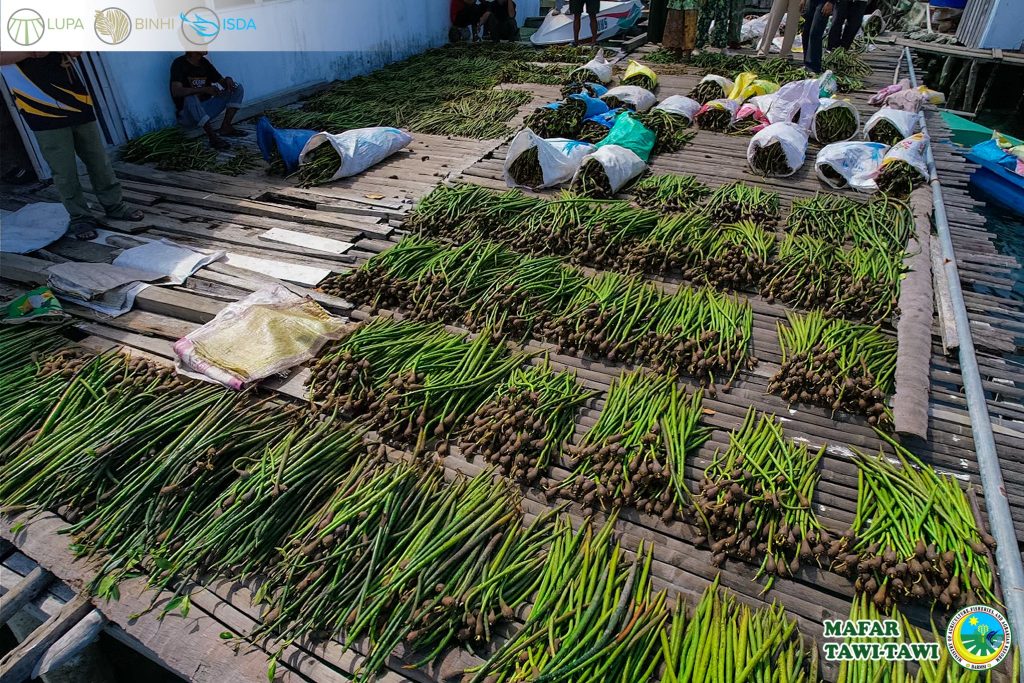
The weeklong activity mobilized local communities across Tawi-Tawi, resulting in the planting of 66,000 mangrove propagules across four barangays identified as vulnerable coastal zones: Latuan Sunsang in Sapa-Sapa (30,000 propagules), Tondon in Panglima Sugala (21,000), Sumangat in Bongao (9,000), and Lato-Lato also in Bongao (6,000).
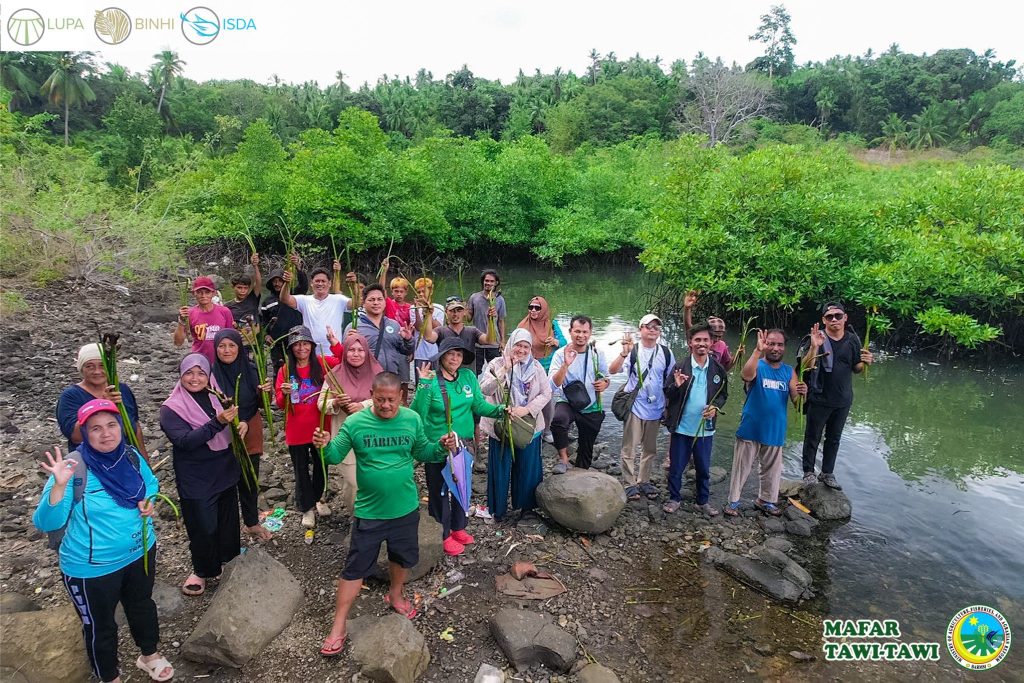
The rehabilitation drive was spearheaded by the MAFAR Tawi-Tawi Fisheries Resource Management (FRM) Section under Senior Aquaculturist Irum Muallil, alongside Municipal Fisheries Officers Amilbahar Kamaluddin of Sapa-Sapa, Hja. Jainab Awali of Panglima Sugala, and Engr. Nurphy Ayub of Bongao. Their efforts were reinforced by barangay officials, local fisherfolk, and volunteers who collectively participated in hands-on planting activities along coastal areas.
Officials emphasized that the initiative is not merely a tree-planting exercise, but part of a broader strategy to rebuild natural coastal defenses and sustain marine productivity for future generations.
Natural barriers against climate threats
Mangroves are widely recognized as among the most vital coastal ecosystems, offering a wide range of ecological and economic benefits that directly support both environment and livelihood.
Their dense root systems serve as natural protective barriers that reduce the impact of waves, storm surges, and coastal erosion. Studies have shown that mangrove forests can reduce wave energy by approximately 5% to 35%, making them crucial shields for communities frequently exposed to typhoons and rising sea levels.
Beyond physical protection, mangroves play a significant role in addressing climate change. These ecosystems are highly efficient at absorbing carbon dioxide from the atmosphere and storing it in their biomass and soil. In many cases, mangroves can store more carbon per hectare than tropical rainforests, making them powerful natural allies in reducing greenhouse gas emissions.
They also function as biodiversity hotspots. Mangrove ecosystems serve as breeding and nursery grounds for a wide variety of marine species, with an estimated 75% of commercially important fish species relying on them at some stage of their life cycle. This makes mangroves essential not only for ecological balance but also for sustaining fisheries that support millions of livelihoods.
Additionally, mangroves contribute significantly to local economies and food security. Coastal communities depend on them for fish, shellfish, timber, and other natural resources. Their presence directly supports small-scale fisheries and provides income opportunities for families living in coastal barangays.
Another critical function of mangroves is maintaining water quality. Their root systems trap sediments, filter pollutants, and reduce runoff from land-based activities, thereby protecting adjacent ecosystems such as coral reefs and seagrass beds from degradation.
Communities at the center of conservation
The Tawi-Tawi rehabilitation effort highlights a growing recognition that effective environmental protection depends heavily on community participation. Local residents, particularly fisherfolk who directly rely on coastal resources, were actively engaged in planting activities, reinforcing ownership and long-term stewardship of rehabilitated sites.
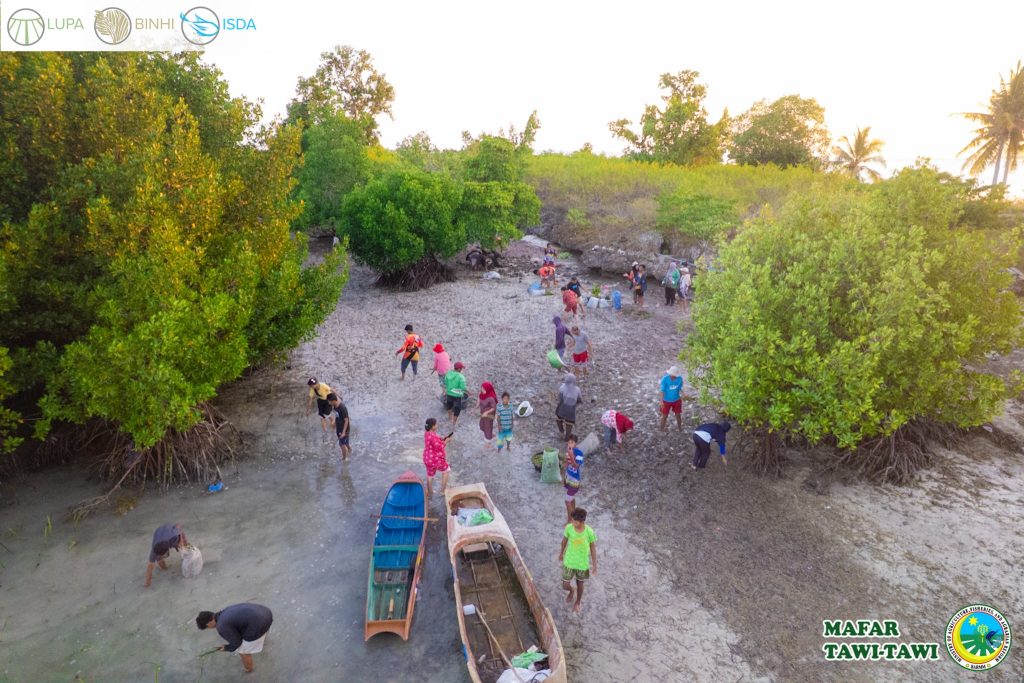
MAFAR officials stressed that the involvement of barangay leadership and grassroots volunteers is essential in ensuring that planted mangroves survive beyond the initial planting phase. Continuous monitoring and maintenance are expected to follow as part of PNAP’s sustainability framework.
Despite their importance, mangrove ecosystems across the Philippines continue to face mounting pressure from human activities, including coastal development, land conversion, and aquaculture expansion. In many areas, large portions of mangrove forests have been lost over the past decades, resulting in increased vulnerability to storm surges, declining fish populations, and weakened coastal protection.
The Tawi-Tawi initiative is part of ongoing efforts to reverse this trend and restore degraded ecosystems through science-based and community-driven interventions.
A long-term investment in resilience
As climate change intensifies and coastal communities face increasing environmental risks, mangrove rehabilitation programs such as PNAP are being viewed not only as environmental projects but also as long-term investments in disaster risk reduction, food security, and sustainable livelihoods.
For Tawi-Tawi, an archipelagic province heavily dependent on marine resources, the restoration of mangrove forests represents a critical step toward safeguarding both its environment and its people.
The recent planting of 66,000 propagules marks another milestone in BARMM’s broader coastal conservation efforts—an affirmation that protecting mangroves today is essential to securing the future of coastal communities tomorrow.