
TAGOLOAN, Misamis Oriental — Against the backdrop of Mindanao’s growing hunger for reliable electricity and sustainable development, the inauguration of the 20.774-megawatt peak (MWp) Misamis Solar Project inside the PHIVIDEC Industrial Estate marks more than just the launch of another renewable energy facility — it symbolizes a continuing transformation in how the island powers its future.
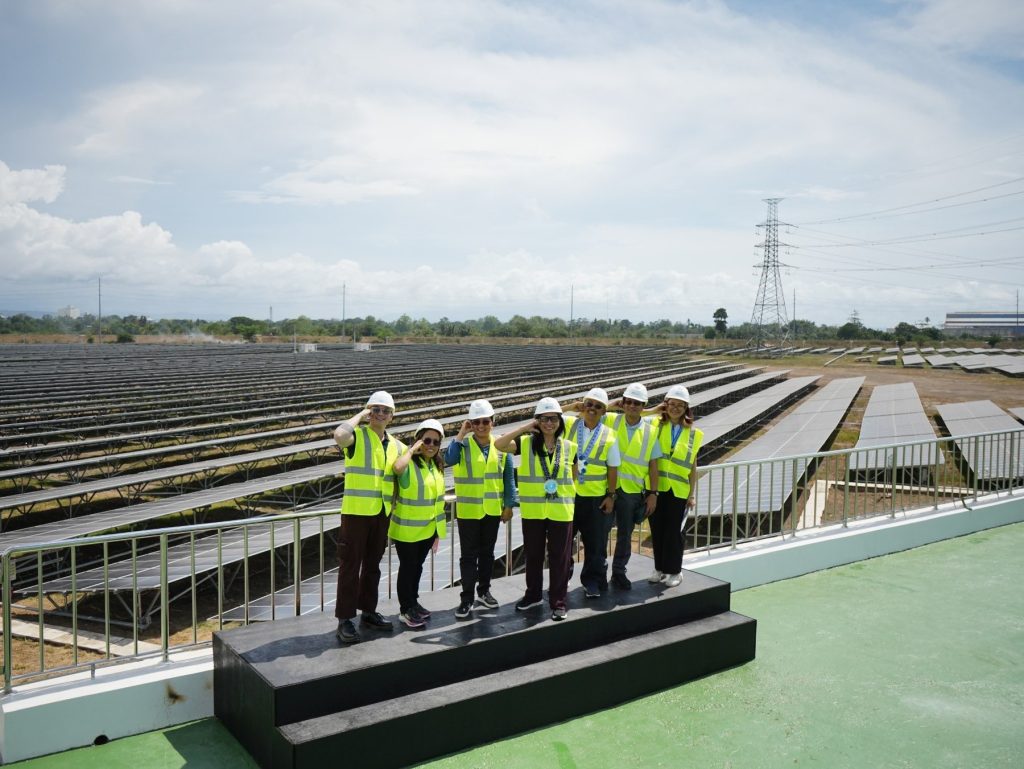
Developed by FDC Green, the ground-mounted solar photovoltaic (PV) plant officially opened in Tagoloan, Misamis Oriental, reinforcing Northern Mindanao’s emergence as a strategic hub for clean energy investments and industrial growth.
The facility, which has been operational since April 26, 2025, utilizes bifacial monocrystalline solar panel technology — an advanced system capable of capturing sunlight from both sides of the panel to improve efficiency and maximize energy generation. The project is expected to produce approximately 30.2 million kilowatt-hours of clean energy annually, helping supply the increasing electricity demands of communities, businesses, and industries across Mindanao.
For a region long burdened by power instability, recurring shortages, and dependence on fossil fuels, the solar project represents a significant step toward energy security and resilience.
From Power Crisis to Renewable Transition
The inauguration also carried historical weight.
During the ceremony, Department of Energy Secretary Sharon Garin highlighted the long-standing role of the Filinvest group in Mindanao’s energy sector, recalling how the company helped address the island’s crippling power crisis two decades ago.
“Mindanao is open for business,” Garin declared in a social media post following the inauguration.
Despite not feeling well, Garin said she pushed through with attending the event because of its importance to the country’s energy transition efforts.
She noted that Filinvest Land was not only known as a property developer but was also among the companies that helped stabilize Mindanao’s power supply during one of its most difficult energy periods.
Its 405-megawatt clean coal power facility within PHIVIDEC, she pointed out, now hosts a 20MW utility-scale solar plant — a rare and symbolic coexistence of conventional and renewable energy systems within one industrial complex.
“It’s indeed a Filipino company addressing Filipino energy goals,” Garin said.
The statement underscored the evolving energy landscape in Mindanao, where industries are increasingly balancing economic expansion with sustainability targets and climate commitments.
Renewable Energy and Regional Growth
The Misamis Solar Project arrives at a crucial time for Mindanao.
As investments continue to pour into Northern Mindanao’s industrial corridors, energy demand is rising rapidly. Economic zones, manufacturing facilities, commercial centers, and growing urban communities require a stable power supply to sustain development.
Renewable energy advocates say projects like the Misamis Solar facility can help cushion the region against volatile fuel prices, reduce greenhouse gas emissions, and lessen dependence on imported fossil fuels.
The project also aligns with the Philippine government’s broader push to increase the share of renewable energy in the national energy mix as the country confronts the escalating impacts of climate change.
Mindanao, once heavily associated with rotating brownouts and unreliable electricity supply, is now positioning itself as a major player in the renewable energy sector. Solar farms, hydroelectric facilities, and other clean energy investments are increasingly being developed across the island.
For local officials and stakeholders who attended the inauguration ceremony, the launch of the solar plant represents not only technological progress but also economic opportunity — creating jobs, attracting investments, and strengthening investor confidence in Northern Mindanao.
A Symbol of Transition
Beyond its technical specifications, the Misamis Solar Project stands as a symbol of transition.
It reflects how industries, government agencies, and private corporations are gradually reshaping the country’s energy future — one that seeks to balance economic growth with environmental responsibility.
Inside the sprawling PHIVIDEC Industrial Estate, rows of solar panels now absorb the intense Mindanao sunlight, converting it into electricity capable of powering homes, factories, and businesses.
For many observers, that image carries a deeper message: that the island once known for power shortages may now become one of the country’s strongest examples of how renewable energy can drive sustainable development.
As Mindanao continues to industrialize and modernize, projects like FDC Green’s Misamis Solar facility may prove essential in ensuring that growth remains not only strong — but sustainable for generations to come.