
COTABATO CITY — The Ministry of Health in the Bangsamoro Autonomous Region in Muslim Mindanao (BARMM) has called for stronger parental guidance and community involvement amid concerns over the continued rise of HIV cases in the country, even as the region maintains one of the lowest infection rates nationwide.
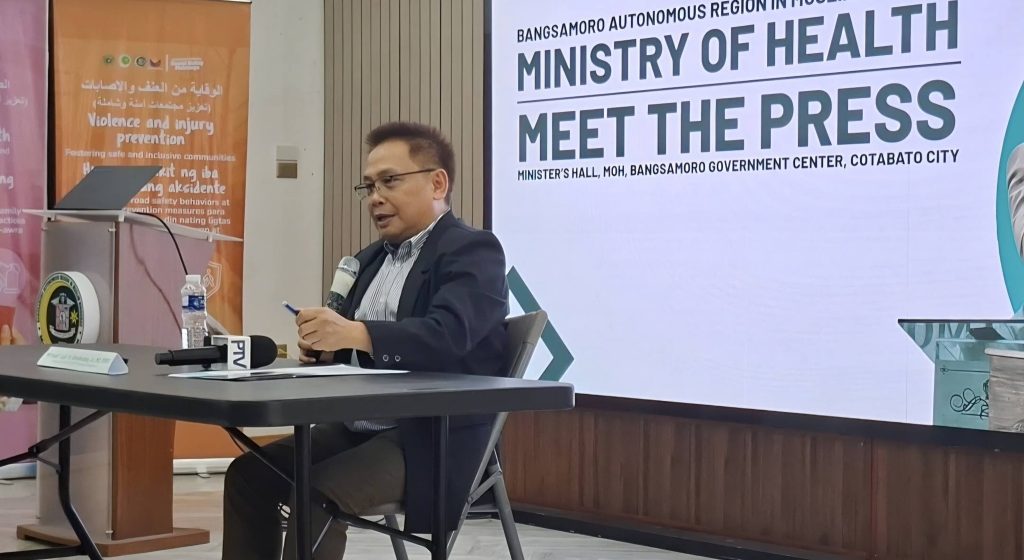
BARMM Health Minister Dr. Kadil Sinolinding Jr. emphasized that addressing the HIV situation should not rest solely on the government and health facilities, but must also involve families and local communities in strengthening awareness, education, and preventive behavior.
“Parents play a critical role in guiding their children, especially in matters concerning health and responsible decision-making. HIV prevention is not just a medical concern—it is a family and community responsibility,” Sinolinding said during a media briefing.
Youngest HIV Case Recorded in BARMM
During the same briefing, the health minister confirmed that a 9-year-old child has tested positive for HIV, making the youngest recorded case in the Bangsamoro region. Authorities did not disclose further details, stressing the need to protect the patient’s privacy and uphold confidentiality in accordance with health protocols.
The Ministry of Health clarified that all patient information remains strictly confidential, in line with established medical and legal safeguards to protect individuals undergoing testing and treatment.
Rising Cases Among Young Adults
According to data from the Ministry of Health BARMM, the region has recorded approximately 500 HIV cases to date. A significant majority of these cases involve individuals aged 18 to 25, with a large proportion being male.
While BARMM continues to report the lowest HIV prevalence among regions in the Philippines, health officials warned that the increasing number of cases among young people signals the need for intensified education and early intervention.
Call for Wider Testing and Awareness
Sinolinding urged the public, particularly sexually active individuals, to undergo HIV testing in accredited testing centers to ensure early detection and timely treatment.
He reiterated that HIV testing services are available and that confidentiality is strictly observed to encourage more individuals to come forward without fear of stigma or discrimination.
Health officials also highlighted the importance of comprehensive sexual health education, noting that misinformation and lack of awareness remain key challenges in prevention efforts.
Community Responsibility Emphasized
The BARMM health leadership stressed that HIV prevention requires a multi-sectoral approach involving parents, schools, religious leaders, and local government units.
“Early education at home and in communities is essential. We must ensure that young people are equipped with correct information to protect themselves and make responsible choices,” Sinolinding added.
As HIV cases continue to emerge across age groups nationwide, BARMM health authorities say they remain committed to strengthening awareness campaigns, expanding testing services, and ensuring accessible treatment for those affected.