
Thursday night, Iligan City stood still—not in silence, but in the deafening roar of floodwaters reclaiming streets that once pulsed with life. Neon lights shimmered on muddy currents, storefronts became shorelines, and roads turned into rivers. Fear flowed where traffic once did, and families watched helplessly as the city they loved was reshaped in a matter of hours by Typhoon Basyang.
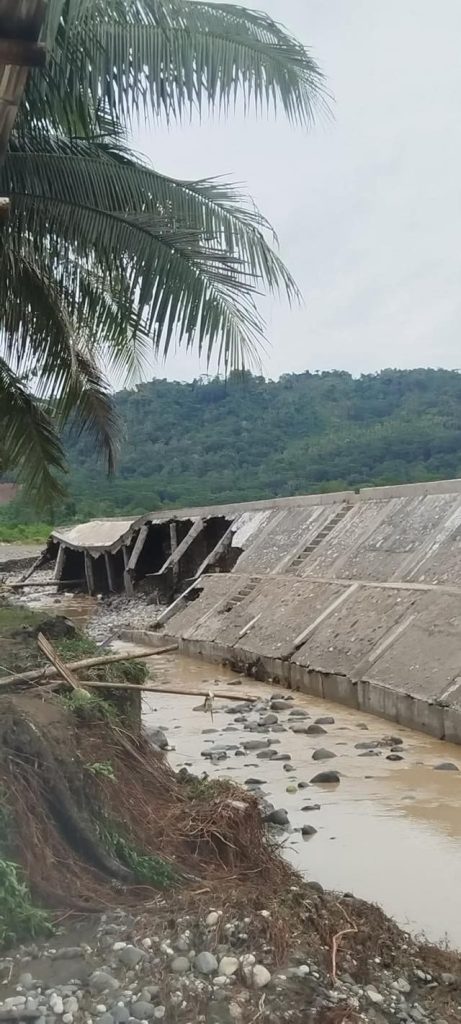
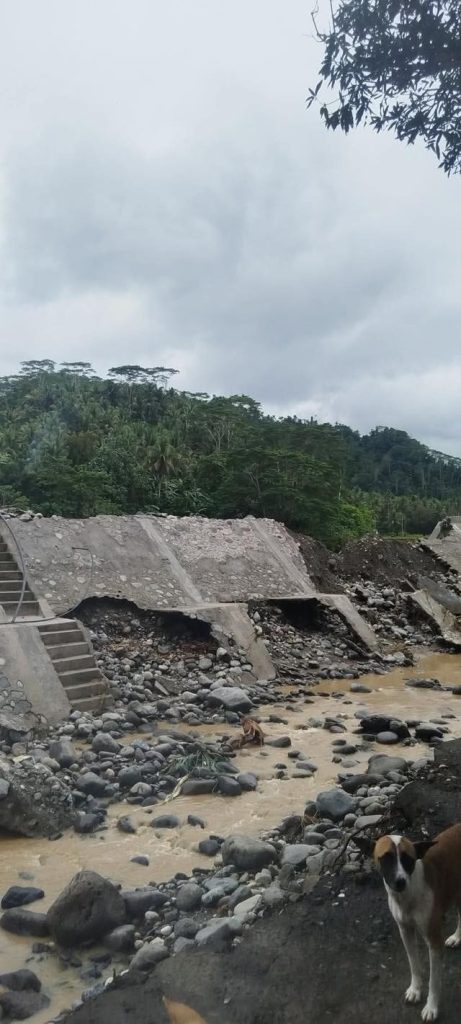
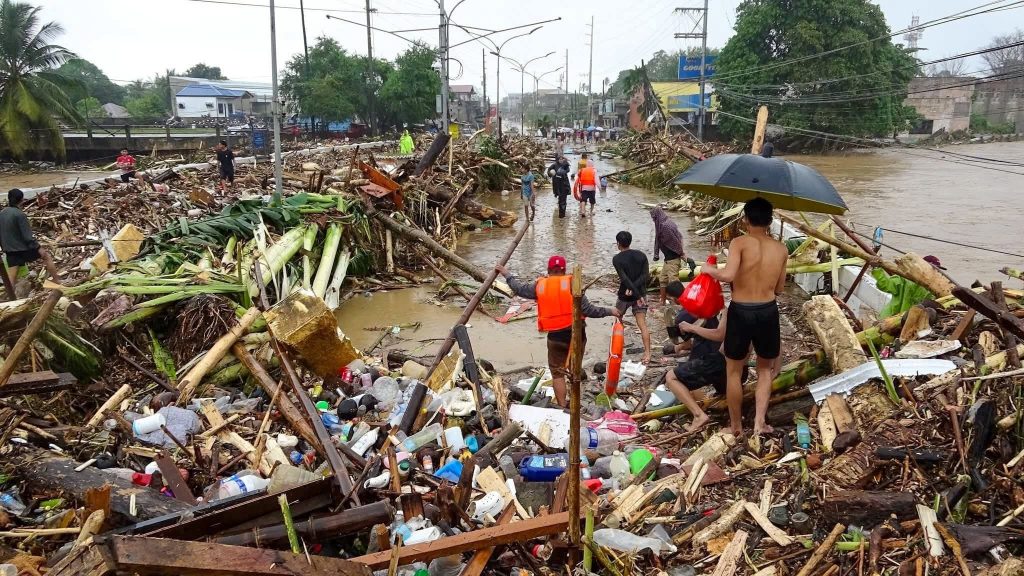
By Friday morning, as the waters gradually receded, another reality emerged. The damage, the destruction, and the truth became impossible to ignore. What the storm left behind was not only mud, debris, and ruined homes, but also clear evidence of how fragile and inadequate much of the city’s flood control infrastructure truly is. Drainage systems, concrete barriers, and protective structures that had consumed millions in public funds failed at the very moment they were most needed.
This was not merely a natural disaster. It was a reckoning. It was nature exposing years of neglect, shortcuts, and corruption hidden beneath layers of concrete and paperwork. Projects meant to safeguard lives were revealed to be weak, poorly constructed, and dangerously unreliable. What was promised as protection turned into a source of fear and suffering.
Across the city, cars lay half-submerged, railings had disappeared beneath muddy currents, and homes were left soaked and broken. Businesses surveyed losses that had taken years to build, wiped out in a single night. Pathways meant for safe passage became channels of danger, and barriers designed to defend communities became liabilities. These failures raise serious questions about how public projects are planned, funded, and implemented.
The reasons are painfully familiar. Substandard materials, rushed construction, inflated budgets, weak oversight, and rubber-stamped inspections have long plagued infrastructure development. Political favors and hidden kickbacks have replaced professionalism and integrity. Many projects were built not to last, but to profit. When Basyang arrived, these lies collapsed under the pressure of floodwaters.
The greatest burden was borne by ordinary citizens. Every peso allocated for flood control came from the hard-earned money of workers, vendors, farmers, drivers, and small business owners. Through taxes and rising costs of living, they paid for protection that never truly existed. On Friday, many returned to waterlogged homes, destroyed appliances, ruined school supplies, and lost savings. Some stood silently in doorways, staring at what remained of their lives, while others began rebuilding with exhausted hands and heavy hearts.
Meanwhile, officials appeared in statements and press briefings, often attributing the disaster to unusual rainfall and climate change. While climate change is real and storms are becoming more intense, these explanations cannot fully justify what happened. Honest infrastructure can withstand extreme weather. Responsible governance prepares for it. Clean leadership reduces its impact. What failed in Iligan was not only engineering—it was integrity.
This was not simply a technical error. It was a moral failure. When inspections are falsified, safety becomes an illusion. When budgets are padded, protection becomes thin. When accountability disappears, disasters multiply. The collapse of trust is as damaging as the collapse of concrete, and today, public confidence in governance is drowning alongside flooded streets.
Thursday night forced families to huddle together in fear. Friday morning forced them to confront the consequences. Social media filled with images of destruction and questions that residents have asked after every major disaster: Where did the money go? Who approved these projects? Who benefited? Who will be held responsible? So far, clear and honest answers remain elusive.
Corruption, like typhoons, is destructive. But unlike storms, it is entirely man-made and preventable. It weakens walls, blocks drainage, delays repairs, and steals safety from the public. Every peso stolen places lives at risk. Every shortcut endangers families. What happened in Iligan is not merely bad luck—it is the result of bad governance.
Yet even amid loss and frustration, Iliganons demonstrated remarkable resilience. Neighbors helped neighbors, volunteers shared food and shelter, and families opened their homes to those in need. While systems failed, the people did not. Their solidarity and compassion revealed the true strength of the city.
Still, resilience should never be an excuse for neglect. Iligan cannot continue to accept a cycle of disaster, damage, empty promises, and silence. The city deserves transparent bidding processes, independent audits, strict inspections, and real accountability. It deserves leaders who place public safety above personal gain.
This flood must serve as a warning. Thursday night exposed weakness. Friday revealed the cost. Typhoon Basyang washed away illusions and showed what happens when greed builds defenses and corruption manages public resources. Iligan may be wounded, but it is not defeated. What must be defeated is the system that allows such failures to happen repeatedly.
If this tragedy is forgotten, it will be repeated. If silence prevails, suffering will return. The people of Iligan deserve more than sympathy and temporary relief. They deserve justice, honesty, and leadership worthy of their trust. Only then can the city truly rise stronger than the storm.