
Mt. Apo, the country’s highest peak and a cradle of biodiversity, once again proved itself as a sanctuary for life. In a recently concluded biodiversity monitoring, the Mt. Apo Natural Park – Protected Area Management Office XI (MANP-PAMO XI) documented a healthy Philippine Eagle (Pithecophaga jefferyi) soaring within the Geopark’s lush forests—an encouraging sign for one of the rarest and most majestic raptors in the world.
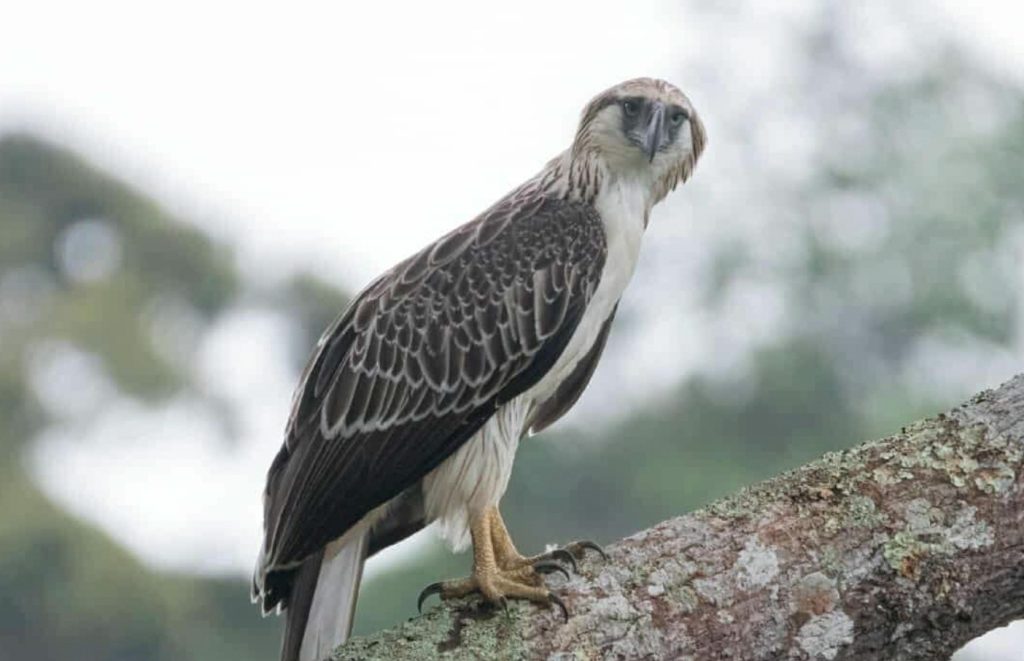
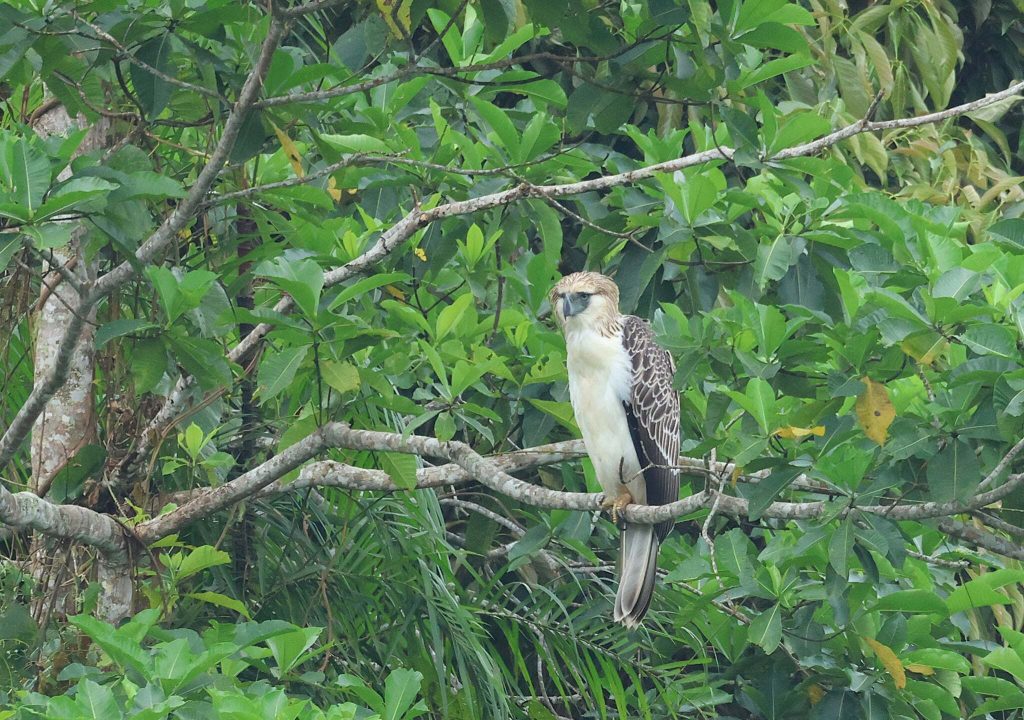
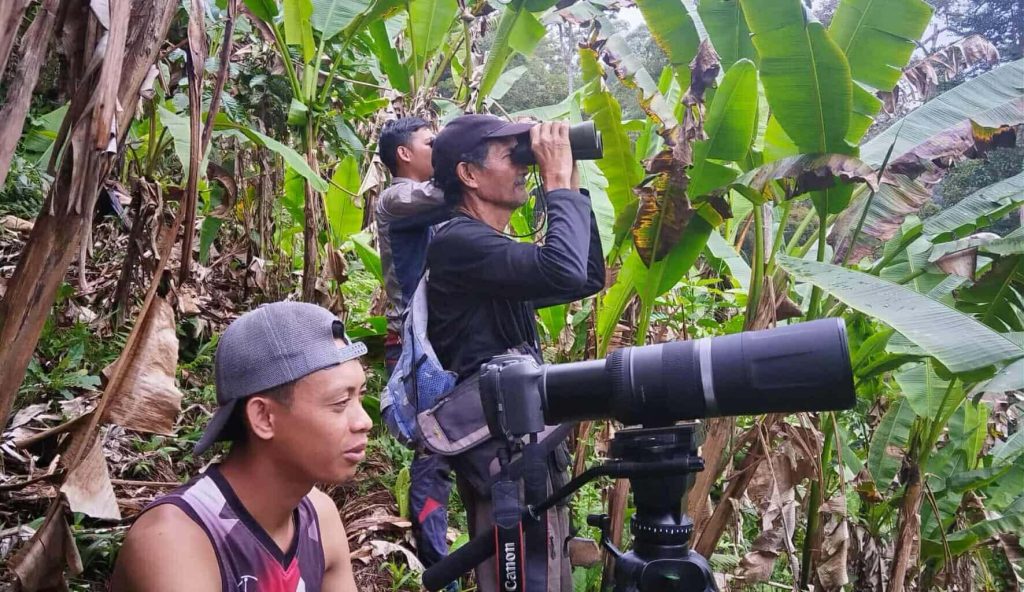
The eagle, believed to be the offspring of a long-established pair on Mt. Apo’s Davao City side, was observed over three days. This area also forms part of the Ancestral Domain of the Bagobo-Tagabawa Indigenous Peoples, whose cultural ties to the mountain are as deep as the roots of its ancient trees.
Indigenous Guardians of the Forest
The monitoring was carried out in close coordination with the Bantay Bukid of LGU Davao City—local forest guardians who are themselves members of the Bagobo-Tagabawa community. Their involvement highlights a truth long recognized by conservationists: the stewardship of Indigenous Peoples is vital in protecting ecological treasures.
“Seeing the eagle alive and thriving is a testament not only to the richness of Mt. Apo but also to the dedication of those who have guarded these forests for generations,” noted a MANP-PAMO XI representative.
More Than Just One Eagle
The monitoring team also recorded other ecologically significant species, among them the Coleto (Sarcops calvus), the Philippine Hanging Parrot (Loriculus philippensis), and blooming Dendrobium orchids clinging to towering dipterocarps. These sightings underscore why Mt. Apo is designated as a Key Biodiversity Area, sheltering endemic and threatened species whose survival depends on intact forest ecosystems.
In a surprising twist of behavior, the observed eagle encountered a Philippine Macaque (Macaca fascicularis) while perched on a tree. Despite its history as a predator of monkeys—earning it the misnomer “monkey-eating eagle”—the bird simply flew off rather than engage. Such subtle encounters hint at the complexities of the eagle’s behavior, inviting further study into its ecology.
The King of Birds
Known locally as Haring Ibon or King of Birds, the Philippine Eagle is more than a national symbol. It is Davao City’s flagship species, representing both the fragility and resilience of the country’s natural heritage. Found only in the Philippines—in Mindanao, Luzon, Samar, and Leyte—the eagle’s fate is inseparable from the forests it inhabits.
Shared Stewardship for the Future
The success in monitoring the eagle within Mt. Apo Geopark reflects more than ecological resilience; it reflects the strength of shared governance. Scientific monitoring, government action, and Indigenous knowledge have converged to create a model for conservation rooted in both tradition and modern science.
For the Bagobo-Tagabawa and many other communities, Mt. Apo is not just a mountain but a living home. For conservationists, it is a critical habitat. And for the Philippine Eagle, it is a sanctuary where survival still seems possible.
As the eagle spreads its wings across Mt. Apo’s skies, it carries with it a message of hope—that with united efforts, the King of Birds and the forests it represents can continue to thrive for generations to come.