
Zamboanga City, June 23, 2025 — The City of Zamboanga proudly marked the 14th Dia de Fundacion de Chavacano today, celebrating the rich legacy, enduring relevance, and cultural pride embedded in the Chavacano language. Anchored on the theme “Chabacano: Language of Ingenuity, Solidarity, and Community”, this year’s celebration was highlighted by a forum dubbed Fora de Chavacano, held at the Sapphire Hall of the Grand Astoria Hotel in Barangay Sucabon.
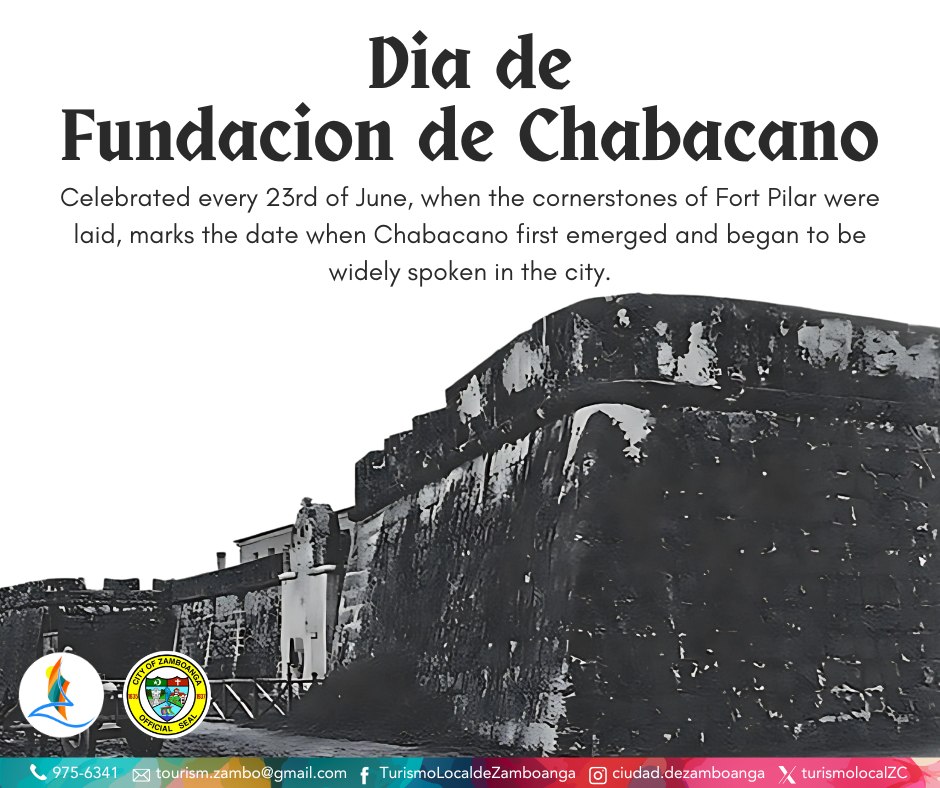
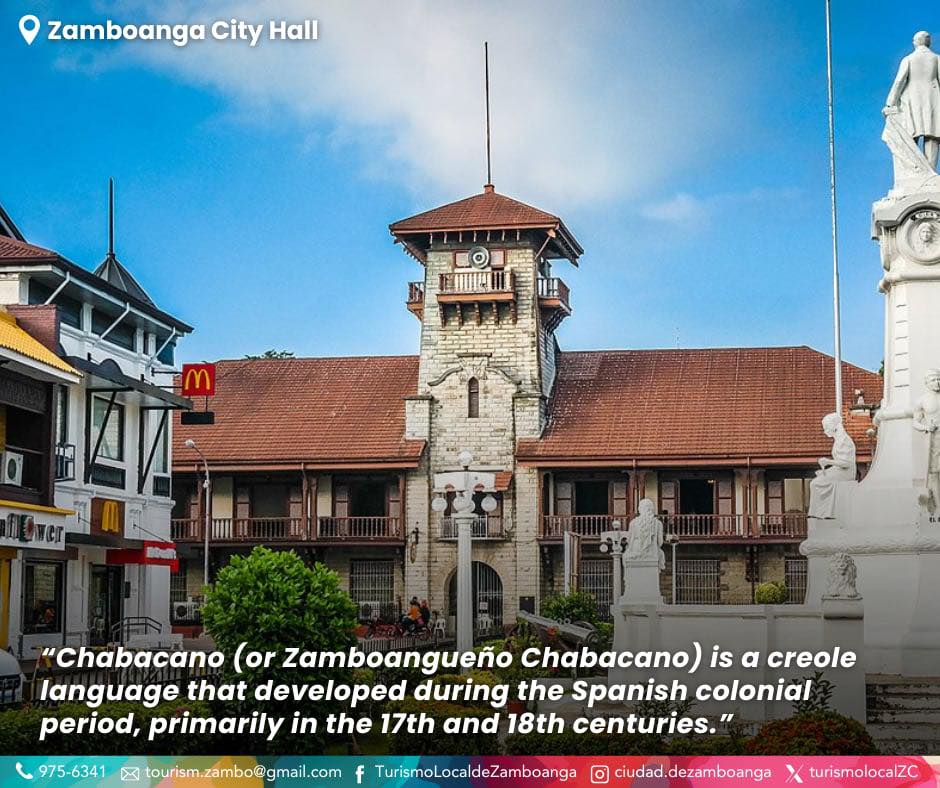
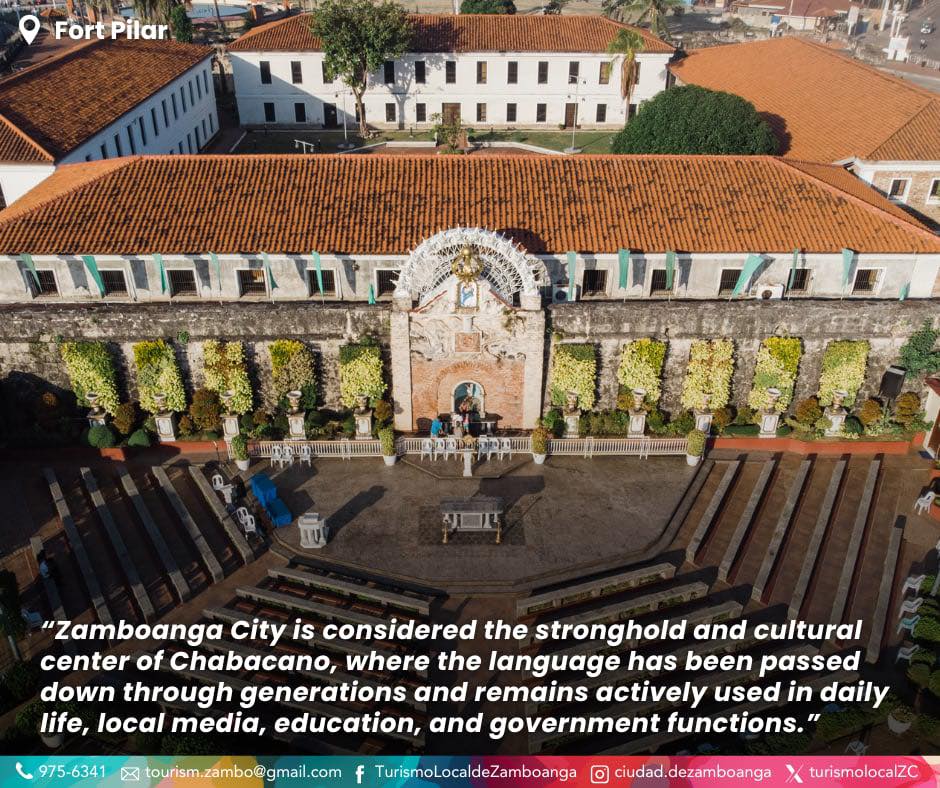
The annual observance traces its roots to June 23, 1635, the day the cornerstone of the Fuerza de San Jose—now known as Fort Pilar—was laid. This event marked the emergence of Chavacano, a Spanish-derivative creole language forged not by colonizers, but by the ingenuity of Zamboangueños and migrant communities who needed a common language to communicate under colonial rule. Over time, Chavacano evolved as a language of the people—born of diversity, necessity, and cultural resilience.
Fora de Chavacano: Preserving the Voice of the People
The City Government of Zamboanga, through the City Tourism Office and in collaboration with the City Museum Services, organized the Fora de Chavacano to deepen public understanding and promote the everyday use of Chavacano. Although Mayor John Dalipe could not attend in person, he was represented by City Architect Ildefonso Torres, Jr., who emphasized the city’s commitment to preserving the language for future generations.
Key speakers included:
- Bianca Ellice Luistro, founder of Kamina PH, who discussed the powerful role of social media in both preserving and spreading Chavacano among younger audiences.
- Ricardo San Juan, former Regional Director of the Department of Tourism, who shared insights on the importance of public policy in institutionalizing the use of native languages.
- Prof. Haydie Adalla of Western Mindanao State University, who delved into the impact of Chavacano literature in shaping cultural identity and memory.
- Councilor Vino Guingona delivered the closing message, urging stakeholders to work together in keeping Chavacano alive and relevant in the modern era.
The forum became a venue for passionate discussions on how to further invigorate the use of Chavacano. Participants and speakers collectively recommended various actions: increased use of Chavacano in social media platforms, translation of public office names, the publication of an English-Chavacano dictionary, and the distribution of Chavacano handouts in government offices and public transportation.
Moreover, they applauded the City Ordinance 374, which institutionalizes the celebration and promotion of the Chavacano language. The ordinance mandates the integration of Chavacano into daily conversation, school curricula, and public communications, emphasizing the need to pass on the language to the next generation.
Chavacano: More Than Words
As Zamboanga looks ahead, the Dia de Fundacion de Chavacano remains more than a symbolic date—it is a living testament to a language shaped by community, nurtured by culture, and sustained by the will of its people. In a city where more than a dozen languages coexist, Chavacano remains a common thread, stitching together history, heritage, and hope for the future.
In the words of the organizers: “Ta queda el Chavacano lenguaje del union, libertad, y identidad Zamboangueña.” (Chavacano remains the language of unity, freedom, and Zamboangueño identity.)