
A significant milestone for biodiversity in the Philippines unfolded in Brgy. Ned, Lake Sebu, South Cotabato, when a single flower of the Rafflesia schadenbergiana, the country’s largest flower, was documented blooming on December 29, 2024. This exceptional discovery, revisited on January 7, 2025, underscores the critical importance of conservation efforts within the Allah Valley Protected Landscape (AVPL).
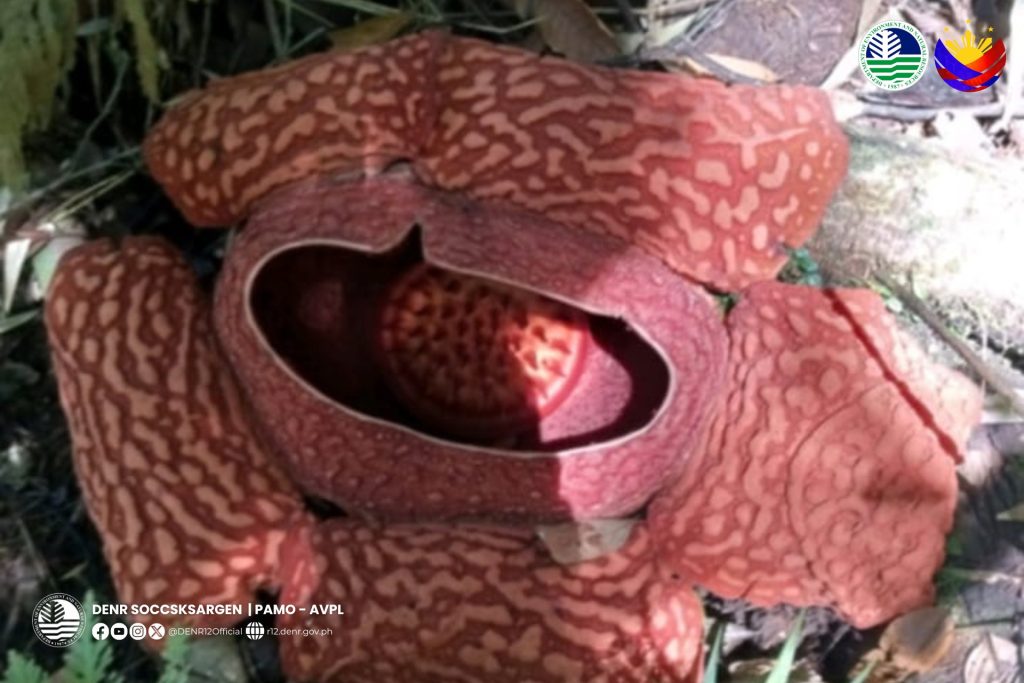
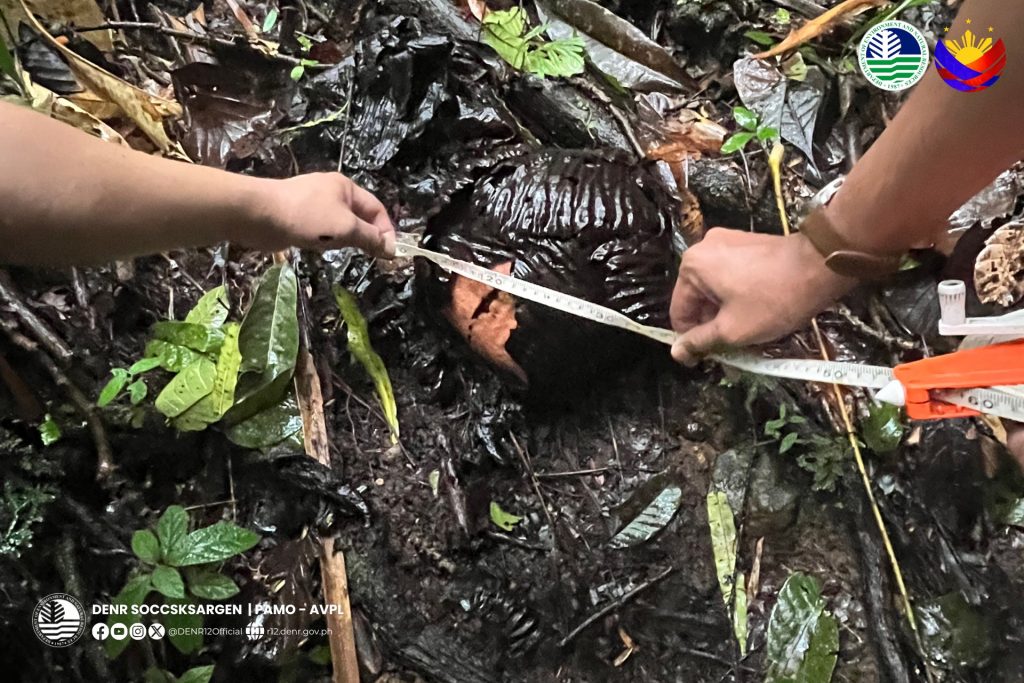
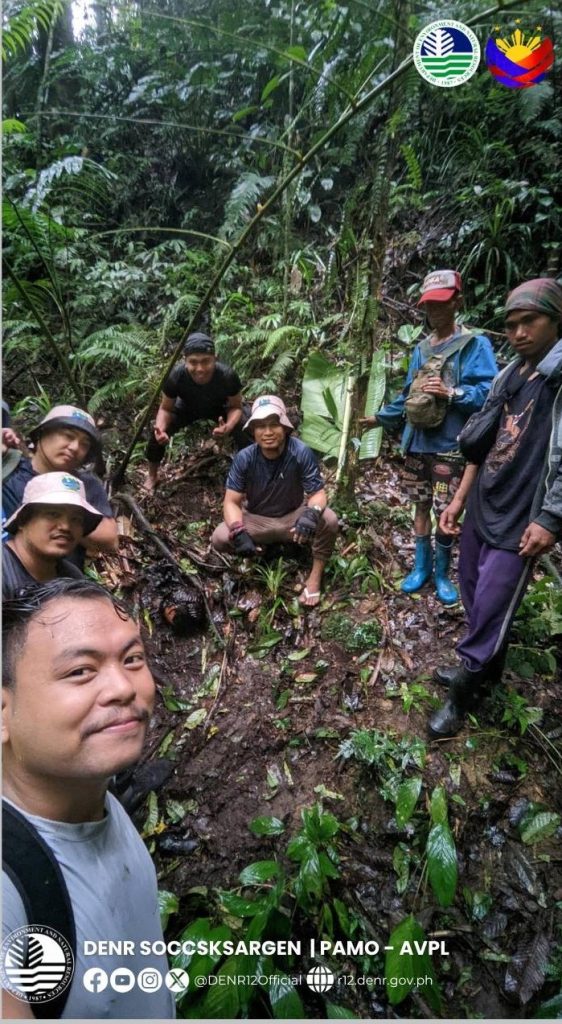
The bloom was observed through the combined efforts of the local community and the Protected Area Management Office-Allah Valley Protected Landscape (PAMO-AVPL) under the Provincial Environment and Natural Resources Office (PENRO) of South Cotabato. Led by resident biologist Aljohn Jay Saavedra, PAMO-AVPL’s team verified the residents’ report, finding a Rafflesia bud with a diameter of 24.5 cm and a circumference of 61 cm. Such findings illustrate the ecological value of the area and the pressing need to sustain the habitat for the conservation of this rare species.
Grassroots Conservation: A Model for Success
The collaboration between PAMO-AVPL and the local residents has been pivotal in fostering environmental stewardship. The community’s vigilance has led to the identification of 50 potential Rafflesia sites across the area, bolstering the prospects of preserving this endangered species. This grassroots initiative highlights the power of local involvement in environmental protection and serves as an inspiring example for other communities across the nation.
Rafflesia schadenbergiana, often called the “queen of parasitic plants,” thrives in undisturbed forests, making the discovery in Lake Sebu’s protected landscape particularly noteworthy. However, its survival is inextricably linked to the health of its host plant, the Tetrastigma vine, which is sensitive to environmental changes.
A Looming Threat: Coal Mining in Lake Sebu
Despite these positive strides in conservation, the ecosystem of Brgy. Ned faces a dire threat from ongoing coal mining operations in the region. The extraction of coal, while economically significant for some stakeholders, poses severe environmental consequences. The fragile ecosystems of Lake Sebu, home to unique species like Rafflesia schadenbergiana, are at risk of irreversible damage.
Coal mining activities can lead to deforestation, habitat destruction, and soil erosion, directly jeopardizing the flora and fauna that rely on these ecosystems. Additionally, mining operations often disrupt water systems, impacting not only the environment but also the Indigenous communities who depend on these resources for their livelihoods.
Balancing Development and Conservation
The contrast between the discovery of a rare blooming flower and the encroachment of coal mining presents a complex challenge for South Cotabato. While economic development is a legitimate concern, it should not come at the cost of biodiversity and ecological integrity. The Rafflesia’s presence serves as a stark reminder of the region’s natural wealth, emphasizing the need for sustainable practices that balance economic progress with environmental preservation.
Call to Action
The discovery of Rafflesia schadenbergiana in Brgy. Ned is a testament to the resilience of nature and the effectiveness of community-led conservation. However, its survival hangs in the balance as coal mining threatens to alter the landscape irreparably. Policymakers, environmental advocates, and local communities must collaborate to enforce stricter regulations on mining activities and prioritize the protection of Lake Sebu’s ecosystems.
Only through collective action can South Cotabato safeguard its natural heritage, ensuring that future generations inherit not just economic gains but a thriving, balanced ecosystem where unique species like Rafflesia schadenbergiana can continue to flourish.