
DAVAO CITY, Philippines — Davao City 1st District Representative Paolo “Pulong” Duterte filed libel and cyberlibel complaints against executives and journalists of GMA Network, National Bureau of Investigation (NBI) Director Melvin Matibag, and former police officer Rodulfo Gracioso Jr. on Friday, October 23, accusing them of spreading false and unverified allegations linking him and his family to alleged multimillion-peso cash deliveries.
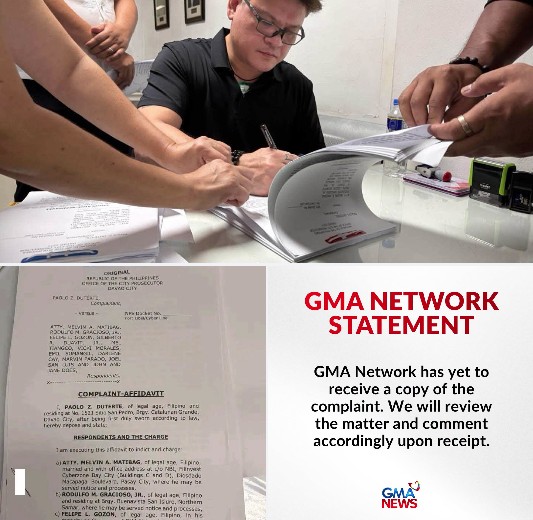
Duterte personally appeared at the Office of the City Prosecutor at the Hall of Justice in Davao City at around 10 a.m., accompanied by his lawyers, to submit the complaints over statements and a television report aired by GMA News’ “24 Oras” on September 25.
The congressman said the statements were untrue and intended to damage his reputation and that of his family. His legal team is seeking ₱20 million in damages, consisting of ₱10 million in moral damages and ₱10 million in exemplary damages, according to his lawyer, Peter Paul Danao.
The complaints place a prominent political figure and one of the country’s major television news organizations at the center of a dispute over the publication of serious allegations, the verification of sources, and the right of those implicated to respond.
Cash delivery allegations at the center of the dispute
The complaints stem from allegations made by Gracioso, a dismissed Philippine National Police patrolman who reportedly served as a close-in security aide to former House Speaker Lord Allan Velasco.
Gracioso claimed that, acting on Velasco’s instructions, he delivered suitcases containing large amounts of cash to members of the Duterte family. Among the allegations was that he personally delivered ₱100 million to Paolo Duterte.
These claims were featured in a GMA News report that included an interview with Gracioso and Matibag. Duterte has denied knowing Gracioso or receiving money from him.
The allegations have been denied by the Duterte camp, while Velasco’s camp has also rejected the accusations against the former House speaker.
The reported cash deliveries remain allegations and should not be treated as established facts. Their truthfulness, the basis of Gracioso’s claims, and the extent to which investigators have independently corroborated them are separate questions that require evidence and due process.
Duterte’s camp questions verification and fairness of report
Danao questioned the timing of Gracioso’s allegations, noting that the former police officer reportedly submitted his affidavit on September 14, while GMA aired its interview featuring Gracioso and Matibag on September 25.
The lawyer also challenged Matibag’s reported assessment that the allegations were “99 percent true,” arguing that the NBI investigation had not yet been completed when the statement was made.
According to Danao, the assessment raised questions about how the claims could be characterized with such a high degree of certainty before the investigation had been finalized.
The lawyer further alleged that GMA failed to give Duterte a sufficient opportunity to respond before broadcasting the report. He questioned why the network proceeded with the allegations despite acknowledging in the September 25 broadcast that it was still seeking responses from the individuals mentioned.
Danao argued that the inclusion of such a caveat did not resolve the question of whether the report had adequately presented the other side before airing allegations that could seriously affect the reputation of those involved.
He also said Gracioso’s reported dismissal from the PNP should have prompted closer scrutiny of his claims. However, a source’s employment history or dismissal does not, by itself, establish whether a particular allegation is true or false; the claims must be assessed against available evidence.
The complaint, according to Danao, specifically covers the September 25 “24 Oras” report. He said Duterte’s camp may consider filing a separate complaint over other reports concerning properties allegedly linked to the congressman, subject to further discussion with their client.
GMA News executives, personalities named
The respondents from GMA Network reportedly include executives Felipe Gozon and Gilberto Duavit Jr., along with television personalities Mel Tiangco, Vicki Morales, Emil Sumangil, Darlene Cay, Marvin Parado, and Joel San Luis, as well as individuals identified as John and Jane Does.
The complaints also name Matibag and Gracioso.
Duterte said he was pursuing the cases not only for himself but also for his children, his mother, and the rest of his family.
“We filed libel and cyberlibel complaints against Matibag, Gracioso, and several personalities from GMA News’ 24 Oras over their statements, which are untrue and clearly intended to tarnish my name and that of my family,” Duterte told media in Davao City.
The filing of the complaints initiates a legal process; it does not establish that the respondents committed libel or cyberlibel. The allegations will have to be evaluated under applicable law and the evidence presented.
GMA says it will comment after receiving complaint
In a statement issued on October 23, GMA Network said it had yet to receive a copy of the complaint.
“GMA Network has yet to receive a copy of the complaint. We will review the matter and comment accordingly upon receipt,” the network said.
The network’s statement did not address the substantive allegations against its executives and journalists, but said it would review the complaint once the document became available.
The response leaves the network’s detailed position on the legal action pending receipt and examination of the filing.
Broader questions over journalism and accountability
The case raises broader questions about the standards that should govern reporting on allegations involving public officials and politically influential families.
News organizations have a responsibility to investigate matters of public interest, particularly allegations involving potentially large sums of money and individuals holding public office. At the same time, serious accusations require careful verification, clear attribution, and a fair effort to obtain responses from those implicated.
The distinction between reporting an allegation and presenting it as established fact is particularly important in politically charged cases. The credibility of a source, the existence of supporting documents, independent corroboration, and the status of an official investigation all matter when determining how claims should be reported.
For Duterte, the complaints seek legal redress for what his camp considers damaging and inadequately verified reporting. For GMA Network and the other respondents, the allegations and the legal claims against them remain matters to be addressed through the appropriate process.
The central questions now extend beyond the filing itself: what evidence supports Gracioso’s claims, how thoroughly those claims were verified before broadcast, whether Duterte was given a meaningful opportunity to respond, and whether the conduct alleged in the complaints meets the legal requirements for libel or cyberlibel.
Those questions cannot be settled by accusations or denials alone. They require examination of the underlying evidence, the reporting process, and the applicable law.
As of October 23, 2026, GMA Network had said it had not yet received a copy of the complaint and would comment after reviewing it. No finding of liability against the named respondents was established by the filing itself.