
DAVAO CITY, Philippines — From the distinctive taste of durian and encounters with the Philippine eagle to Indigenous cultural traditions and lush natural landscapes, Davao City showcased its diverse tourism offerings to Japanese social media influencers, travel bloggers, and key opinion leaders (KOLs) during a familiarization tour held from October 6 to 10, 2026.
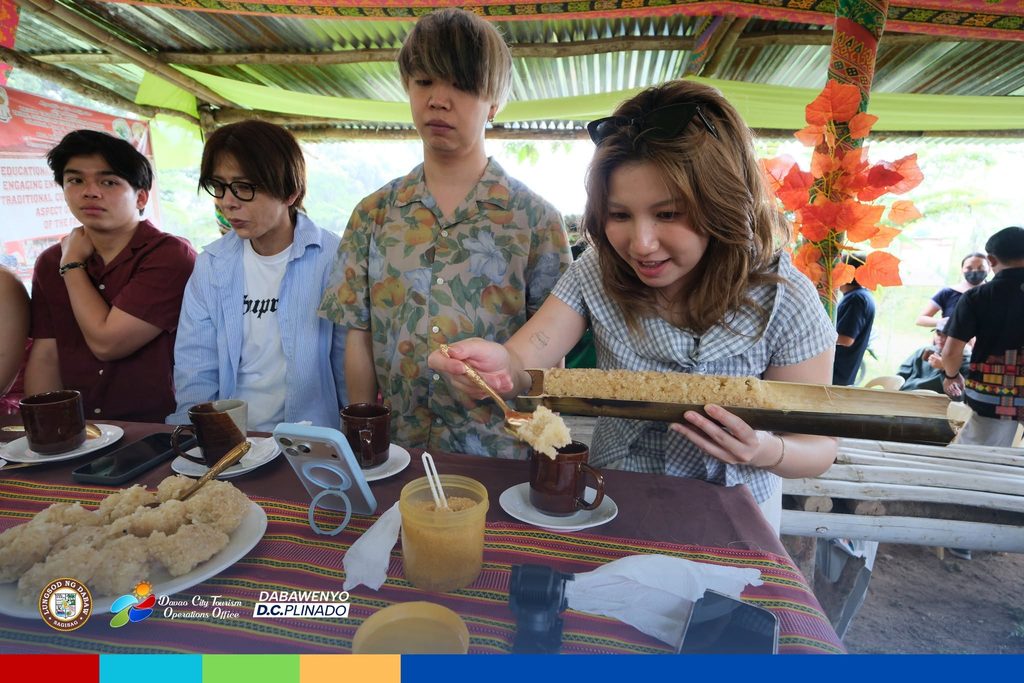

The five-day visit introduced the Japanese delegates to a range of experiences highlighting Davao City’s culinary identity, biodiversity, cultural heritage, historical connections, and nature-based attractions, as local tourism stakeholders seek to strengthen the city’s appeal to travelers from Japan.
The tour brought the visitors to several of Davao City’s established tourism destinations, offering them opportunities to experience firsthand the attractions that distinguish the city as a destination for food, culture, wildlife, and outdoor recreation.
Among the highlights were visits to the durian farms of Belviz, where the delegates explored one of Davao’s most recognizable agricultural products. Widely associated with the city’s identity, durian represents an important part of its food culture and tourism appeal, offering international visitors a taste of the region’s distinctive flavors.
The delegates also visited the Philippine Eagle Center, where they learned more about the country’s national bird and the importance of protecting its wildlife. The center provides an opportunity for visitors to appreciate the Philippine eagle and understand the broader significance of biodiversity conservation in the Philippines.
Another stop was Malagos Garden Resort, which added to the tour’s nature-oriented experiences and showcased another dimension of Davao’s tourism offerings.
Discovering Davao’s cultural roots and shared history
Beyond food and nature, the familiarization tour placed emphasis on the city’s cultural heritage and historical connections.
At the IMIN Philippine-Japan Historical Museum, the Japanese visitors explored the shared history between the Philippines and Japan, providing a historical dimension to the visit and an opportunity to deepen their understanding of the ties between the two countries.
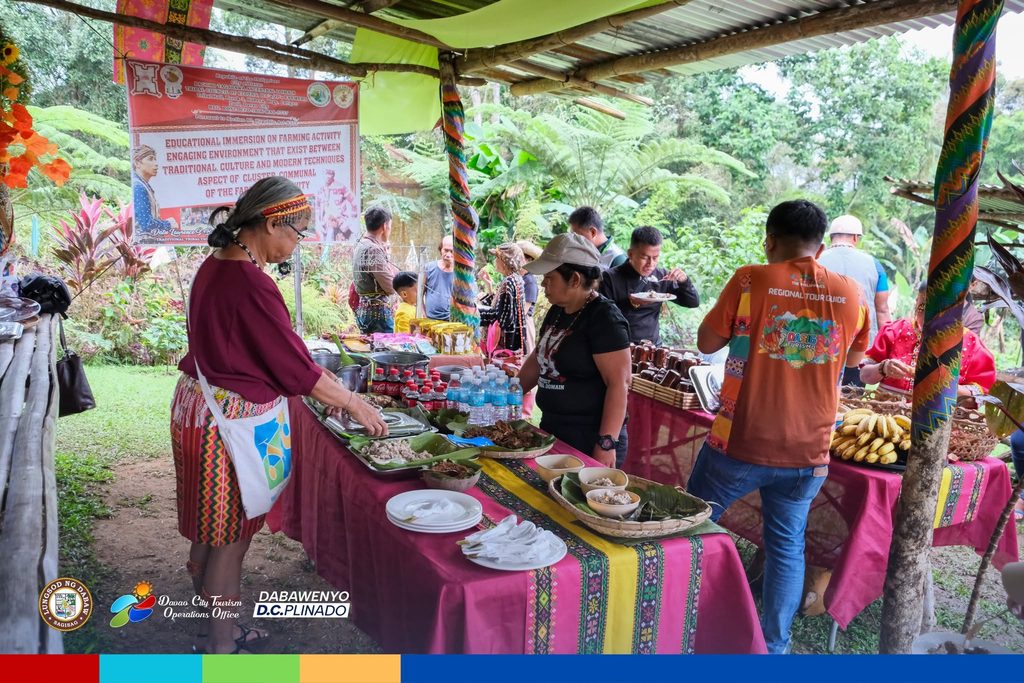
The itinerary also brought the delegates to Catigan in Toril, where they met members of the Bagobo-Tagabawa cultural community. The encounter offered a closer look at the Indigenous heritage that forms an important part of Mindanao’s cultural identity.
Such cultural experiences can broaden the appeal of tourism beyond conventional sightseeing by allowing visitors to appreciate local traditions, community life, and the people who help preserve the region’s heritage.
The delegates likewise visited Museo Dabawenyo, where they discovered more about Davao City’s history and cultural development. The museum visit complemented the tour’s other historical and cultural stops, presenting the city not only as a destination for leisure but also as a place with a rich and diverse heritage.
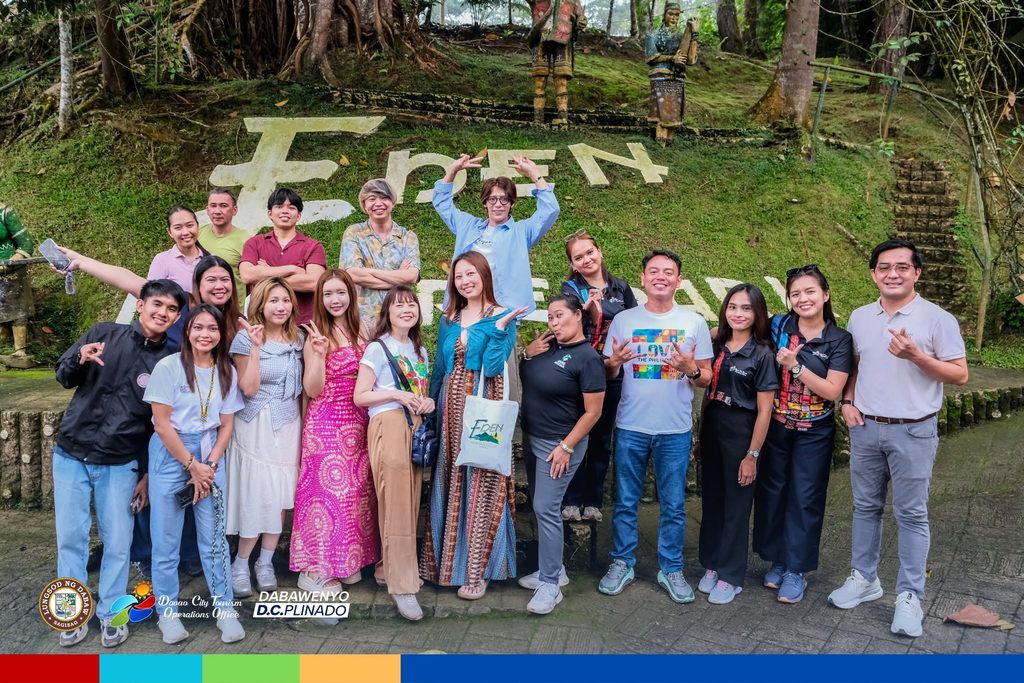
For nature lovers, Eden Nature Park provided another opportunity to experience the area’s natural beauty, adding to the range of attractions introduced to the Japanese visitors during their stay.
Influencers seen as a bridge to the Japanese travel market
The familiarization tour was organized through the collaboration of the Davao City Tourism Operations Office and the Department of Tourism Region XI, with the aim of promoting Davao City to a wider Japanese audience.
By inviting influencers, travel bloggers, and key opinion leaders to experience the destinations firsthand, tourism organizers can help introduce the city to potential travelers through digital content, personal recommendations, photographs, videos, and travel narratives shared on social media platforms.
These channels can offer prospective visitors a more personal view of a destination, allowing them to explore possible itineraries and discover attractions that may not always feature prominently in traditional travel promotions.
The approach also gives Davao City an opportunity to highlight the variety of experiences available within one destination—from agricultural and culinary tourism to wildlife conservation, cultural encounters, museums, and nature retreats.
However, the long-term impact of such promotional activities will depend on whether the exposure translates into increased visitor interest, travel inquiries, bookings, and actual arrivals from Japan. Sustained tourism development will also require accessible travel information, quality visitor services, and continued support for local communities and tourism enterprises.
Promoting a more diverse Davao tourism experience
The October 6–10 visit underscored the potential of Davao City’s tourism industry to appeal to travelers seeking more than a conventional holiday.
Its combination of distinctive local cuisine, internationally significant wildlife, Indigenous cultural heritage, historical attractions, and natural landscapes provides a range of experiences that can be incorporated into different travel itineraries.
For the city’s tourism sector, reaching Japanese travelers through digital influencers represents an opportunity to build awareness of these attractions and encourage visitors to discover destinations beyond the usual highlights.
As Davao City continues to promote itself internationally, the challenge will be to turn destination exposure into meaningful tourism growth—one that benefits local businesses, supports cultural preservation, encourages responsible encounters with wildlife, and creates opportunities for host communities.
Through the collaboration of the Davao City Tourism Operations Office and the Department of Tourism Region XI, the familiarization tour sought to bring Davao’s many attractions closer to the Japanese market.
From the flavors of durian to the heritage of its communities and the beauty of its natural landscapes, Davao City presented a compelling invitation to Japanese travelers: experience and discover what the city has to offer.