
Authorities have issued a stern warning to the public following the confiscation of hundreds of thousands of pesos worth of alleged counterfeit “Magic Sarap” seasoning products in Iligan City, stressing that fake food flavoring products pose a serious threat not only to legitimate businesses but more importantly to the health and safety of consumers — especially low-income families who heavily rely on affordable food seasonings in their daily meals.
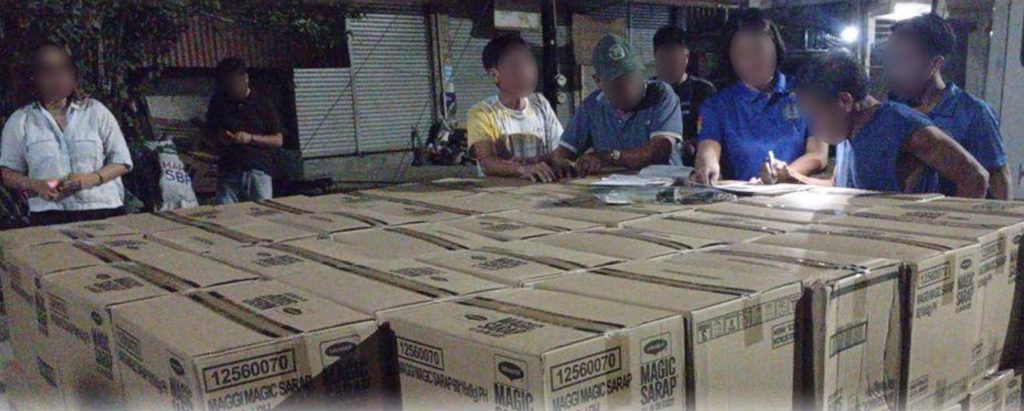
On May 5, 2026, from around 6:20 p.m. to 9:50 p.m., operatives of the Criminal Investigation and Detection Group (CIDG) Iligan City Field Unit, together with representatives from Nestlé Philippines and territorial police units, conducted a law enforcement operation in Barangay Hinaplanon, Iligan City for alleged violation of Republic Act No. 8293 or the Intellectual Property Code of the Philippines.
The operation resulted in the arrest of a 56-year-old male suspect identified only as “Jojo,” a resident of Barangay Gusa, Cagayan de Oro City, who was allegedly caught selling and distributing counterfeit “Magic Sarap” seasoning products.
Seized during the operation were 106 boxes of alleged fake seasoning products with an estimated market value of P444,000.
According to a report received by CIDG Director PMGEN Robert AA Morico II, the operation stemmed from a complaint lodged by Nestlé Philippines after discovering the alleged proliferation and distribution of counterfeit versions of the popular food seasoning brand.
Authorities emphasized that counterfeit food products are particularly dangerous because they directly affect public health. Unlike fake luxury items or imitation consumer goods, counterfeit food flavoring products are consumed daily by thousands of households and may contain unsafe, unregulated, or contaminated ingredients.
Officials warned that products such as seasoning mixes are widely patronized by ordinary Filipino families, especially those belonging to low-income communities, because they are affordable and commonly used to enhance meals amid rising food prices.
“This is alarming because the victims here are ordinary consumers who simply want to stretch their budget and provide flavorful meals for their families,” an investigator said.
Law enforcers stressed that economically vulnerable families are often the primary targets of counterfeit food products because fake items are usually sold at cheaper prices in local markets, small stores, and informal distribution channels.
Authorities warned that consumers may unknowingly expose their families — including children and senior citizens — to potential health hazards by purchasing counterfeit seasoning products that have not undergone proper quality control, safety inspection, or government regulation.
CIDG officials underscored that counterfeit food items may contain harmful substances, substandard ingredients, or unsanitary components that could lead to food contamination, food poisoning, allergic reactions, and long-term health risks.
The CIDG Director reiterated that the State remains committed to protecting consumers against unfair trade practices and the proliferation of counterfeit products in the market.
He emphasized that the government continues to strengthen the enforcement of intellectual property laws across the country to protect both trademark owners and the Filipino public from fraudulent and potentially dangerous goods.
The intensified anti-counterfeit operations are part of the ongoing campaign of the Philippine National Police against illegal activities and trademark violations nationwide.
The CIDG also commended CIDG Regional Field Unit 10 and the CIDG Iligan City Field Unit for the successful operation, stressing the agency’s uncompromising stance against counterfeiters and illegal distributors.
Authorities urged the public to remain vigilant when purchasing food products and to immediately report suspicious, counterfeit, or trademark-infringing items being sold in their communities.
The CIDG assured the public that operations against counterfeit products will continue, particularly those involving food items that could endanger the health, safety, and welfare of Filipino consumers.