
On May 5, 2025, Mayor Lorelie Geronimo-Pacquiao officially turned over 24 brand-new Toyota Hilux (4×4) pickup vehicles to the Sangguniang Kabataan (SK) of General Santos City. The vehicles were presented as a move to enhance youth services, support SK programs, and aid in emergency response and mobilization of SK officers. But while the photo-ops and speeches may project success, several pressing questions beg to be answered—questions that speak to sustainability, equity, and transparency.
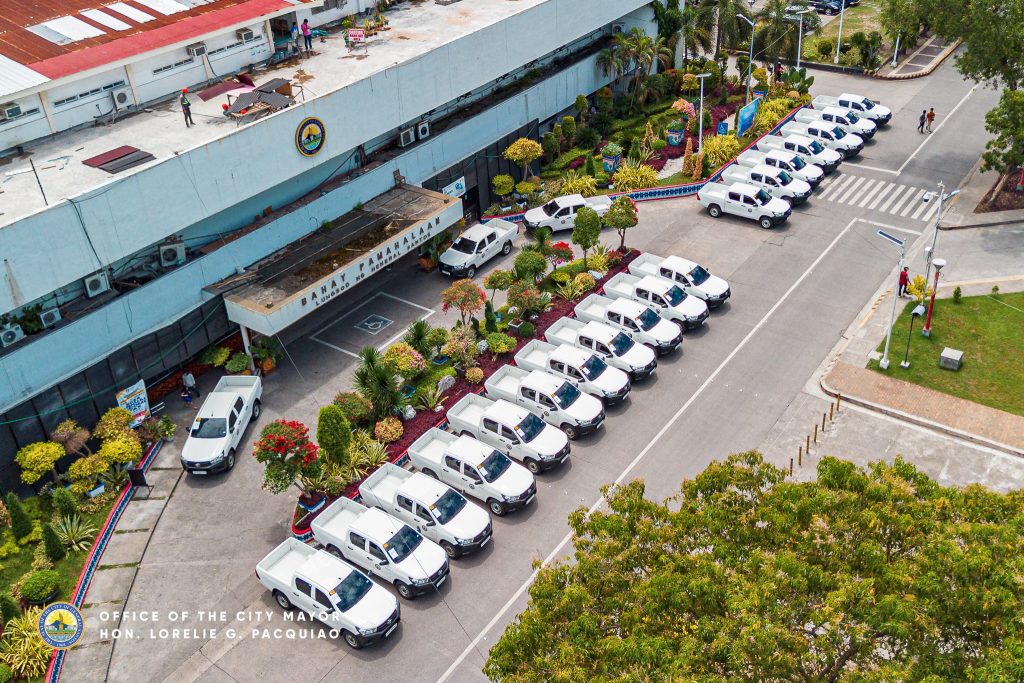
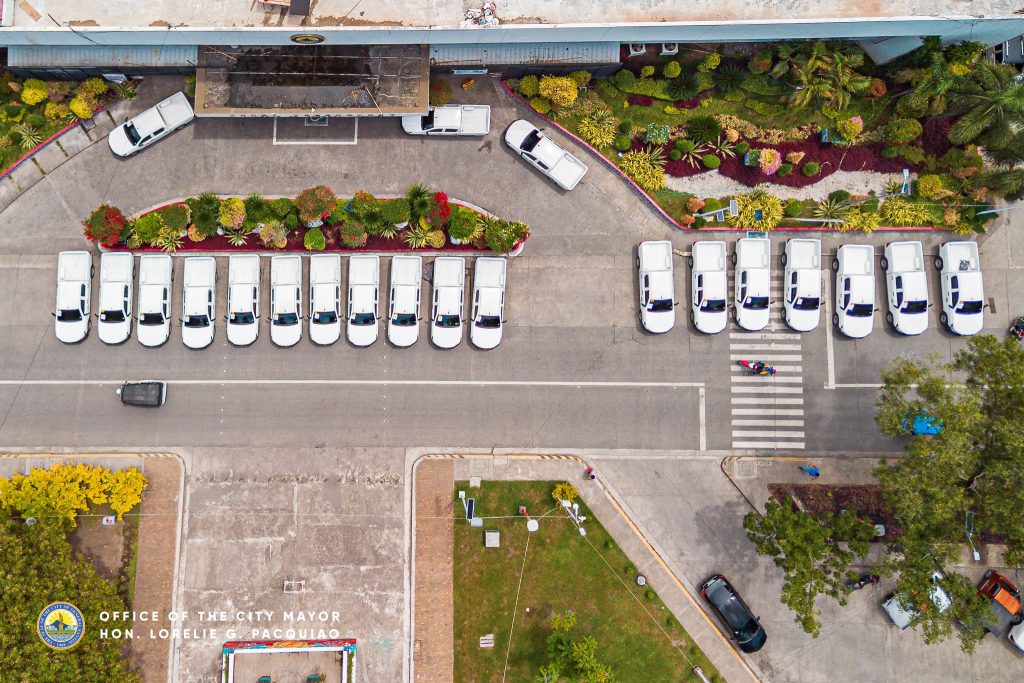
First, let’s address the elephant in the room: budget and operational sustainability. While the idea of equipping SK with mobility tools may seem progressive, have we thoroughly examined the implications? These are not low-cost units. Beyond acquisition, each vehicle entails recurring expenses—fuel, maintenance, registration, insurance, and possibly even driver salaries. Has a dedicated operational budget been provided? Or are SK councils now expected to stretch their already limited resources? It’s worth noting that SK funds are primarily intended for youth development activities, not vehicle upkeep.
Moreover, is this initiative overlapping with existing structures? The vehicles were described as also serving for emergency response. But isn’t that a role already designated to the Barangay Disaster Risk Reduction and Management Committees (BDRRMC)? If SK is now taking on this role, are we duplicating responsibilities? Or does this imply a lack of capacity or support to existing disaster response units?
Then there’s the matter of equity and inclusion. There are 26 barangays in General Santos City, yet only 24 vehicles were distributed. What criteria were used to determine which barangays received vehicles and which were left out? Transparency in the selection process is crucial, especially when public funds are involved. This omission raises concern about fairness, or worse, potential political favoritism.
And speaking of politics, the timing of the distribution also cannot be ignored. The turnover happened during the election period, when public officials are under heightened scrutiny. This raises ethical questions: Is this purely about youth empowerment, or is it a veiled form of influence over SK leaders during a politically sensitive time?
Most importantly, we must ask ourselves this: is this the best use of public money for the youth? The cost of 24 brand-new Toyota Hilux 4×4 pickups could easily fund wide-reaching livelihood training for out-of-school youth, educational assistance for poor but deserving students, or meaningful youth development programs—initiatives that are not only more inclusive but directly address the long-standing issues faced by the youth sector. Let’s not forget: this is taxpayers’ money—hard-earned income from citizens already burdened by inflation, rising costs of living, and insufficient services.
The SK, since its inception, has been criticized for being underutilized or mismanaged in some areas. Equipping it with high-value assets like 4×4 pickup trucks is a bold move, but boldness without strategy is often a recipe for waste. Before rolling out such initiatives, local governments must ensure that there is a clear needs assessment, financial support system, defined role clarity, and transparent distribution criteria.
Mayor Pacquiao’s intention to empower the youth is commendable. But empowerment must come with accountability. The people of General Santos deserve clarity: Is this a well-studied, needs-based intervention, or is it another glossy program heavy on optics but thin on substance?
The youth are watching. The voters are watching. And the questions remain unanswered.