
From thousands of migratory shorebirds feeding across the wetlands of Zamboanga Sibugay to distinctive forest birds inhabiting the highlands of Zamboanga City, a biodiversity assessment is highlighting the peninsula’s potential as a premier birdwatching destination.
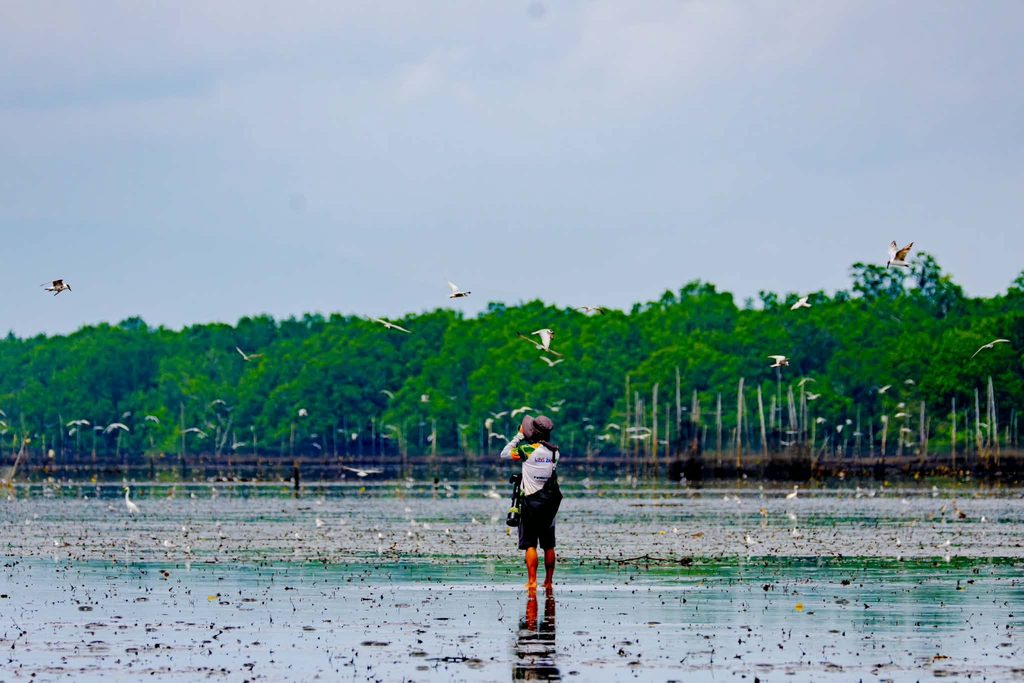
ZAMBOANGA PENINSULA — Seventy-six bird species were documented in just two days during a biodiversity and birdwatching validation tour across two ecologically significant areas in the Zamboanga Peninsula, underscoring the region’s rich avian diversity and its potential to develop responsible, nature-based tourism.
The activity, conducted under the Department of Tourism’s (DOT) ZAMPEN Avi-Tourism Program, brought together birdwatchers, wildlife photographers, conservation advocates, and government representatives to assess bird habitats and identify opportunities for establishing birdwatching corridors in Zamboanga City and Zamboanga Sibugay.
The findings offer a glimpse into the ecological importance of two contrasting landscapes: the internationally recognized wetlands of Sibugay Wetland Nature Reserve and the forest ecosystems of Pasonanca Natural Park in Zamboanga City.
More than a tourism assessment, the initiative highlights the importance of protecting the natural habitats that sustain migratory and resident bird populations while exploring ways to make biodiversity conservation an integral part of regional development.
Wetlands become a gathering place for migratory birds
At Sibugay Wetland Nature Reserve, the expansive mudflats, mangrove forests, and coastal waters create an important refuge for migratory birds traveling along international flyways.

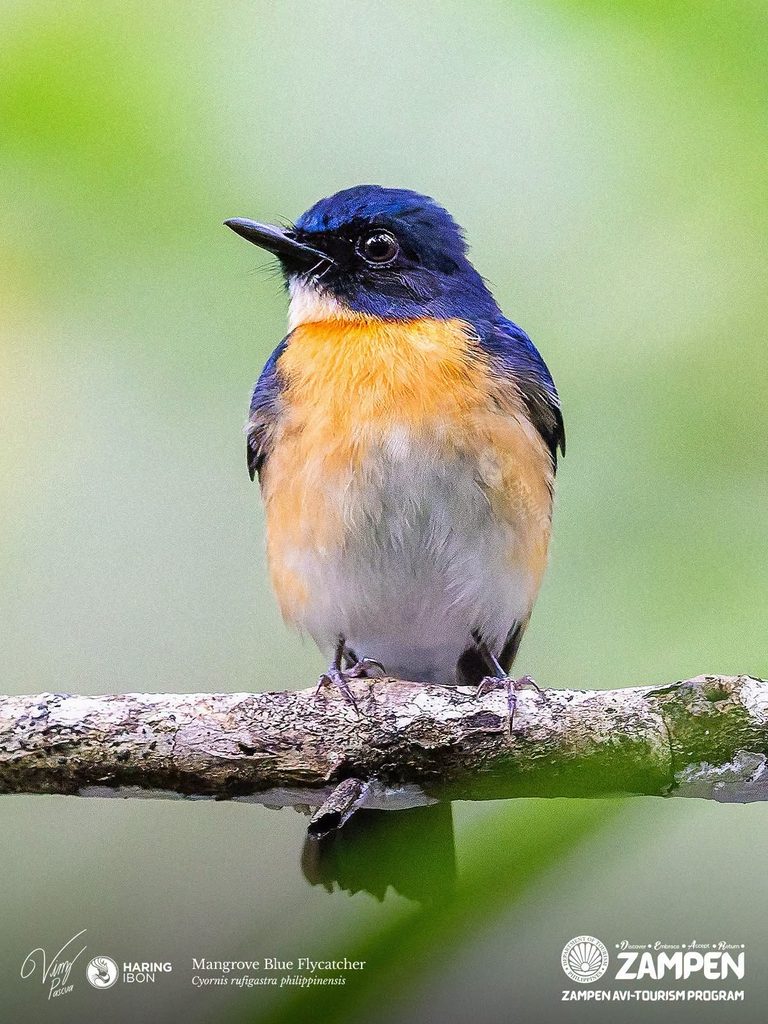
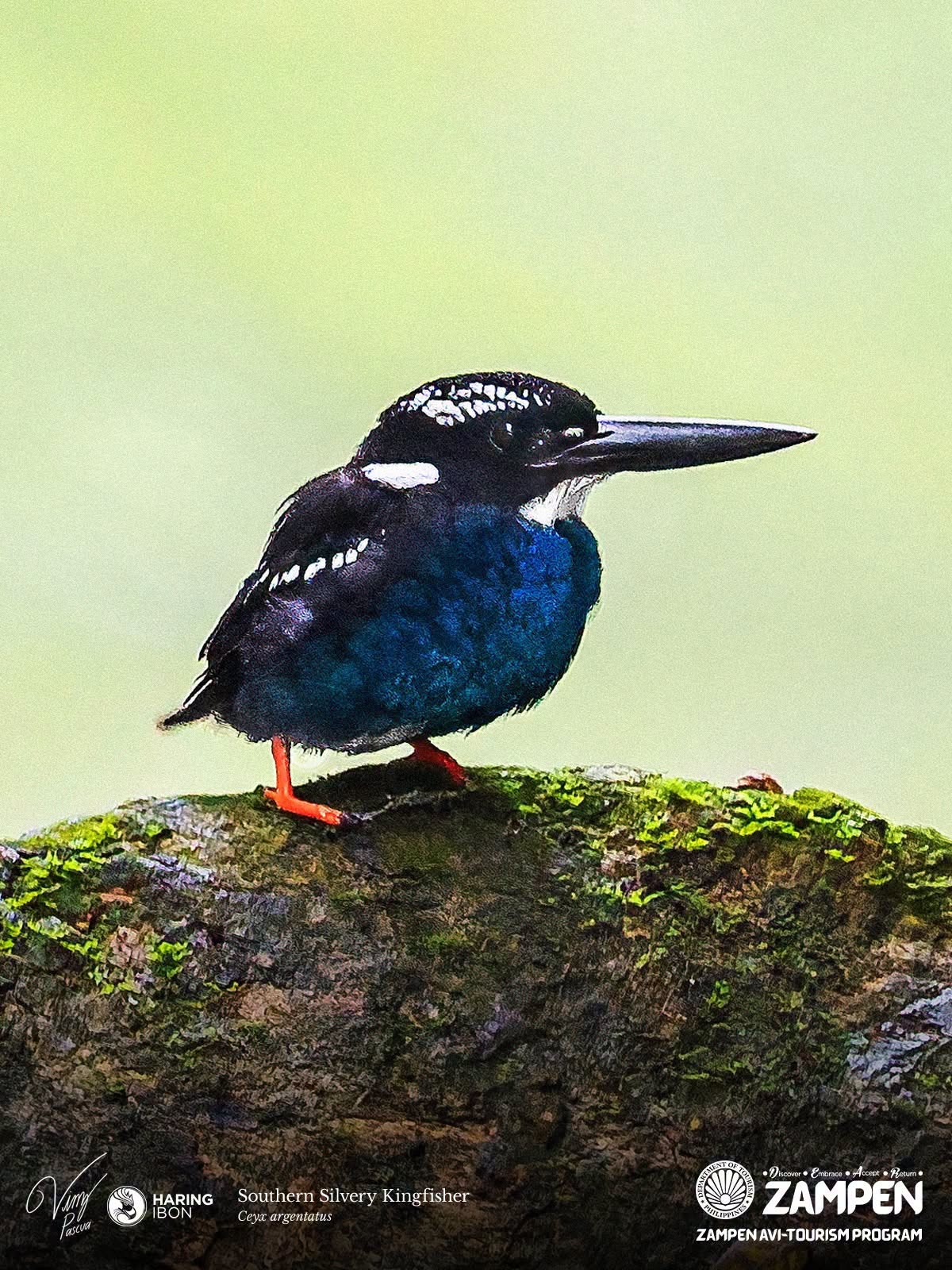
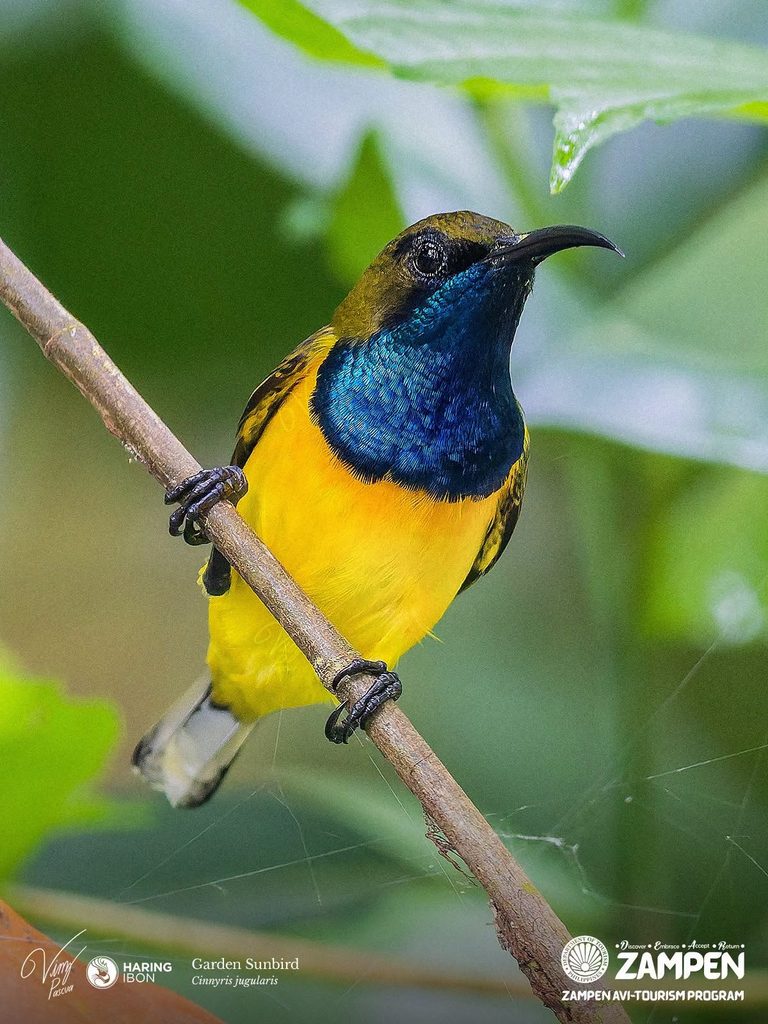
As the tides shift, thousands of shorebirds gather across the exposed mudflats, searching for food and resting before continuing their long-distance journeys. Their presence demonstrates the importance of healthy coastal wetlands as feeding and resting grounds for birds that travel across countries and continents.
Among the species observed during the validation tour were Great Knots, Eurasian Curlews, Far Eastern Curlews, redshanks, and various terns.
These migratory birds depend on a network of suitable habitats throughout their migration routes. The availability of food, undisturbed resting areas, and healthy coastal ecosystems can determine whether they successfully complete their journeys.
Sibugay Wetland Nature Reserve carries particular conservation significance because of its designation as a Ramsar Site, recognizing its international importance as a wetland ecosystem.
Its value, however, extends well beyond its bird population. Mangroves and coastal wetlands provide essential ecological services, including supporting marine food webs, protecting shorelines, maintaining biodiversity, and sustaining resources that coastal communities depend on.
The presence of large numbers of migratory shorebirds reinforces the need to maintain the ecological integrity of these habitats, particularly as wetlands face increasing pressures from human activities and environmental changes.
Pasonanca forests reveal another side of the peninsula’s biodiversity
From the open mudflats of Zamboanga Sibugay, the validation tour moved to the forested landscape of Pasonanca Natural Park in Zamboanga City, where a different community of bird species thrives beneath the forest canopy.

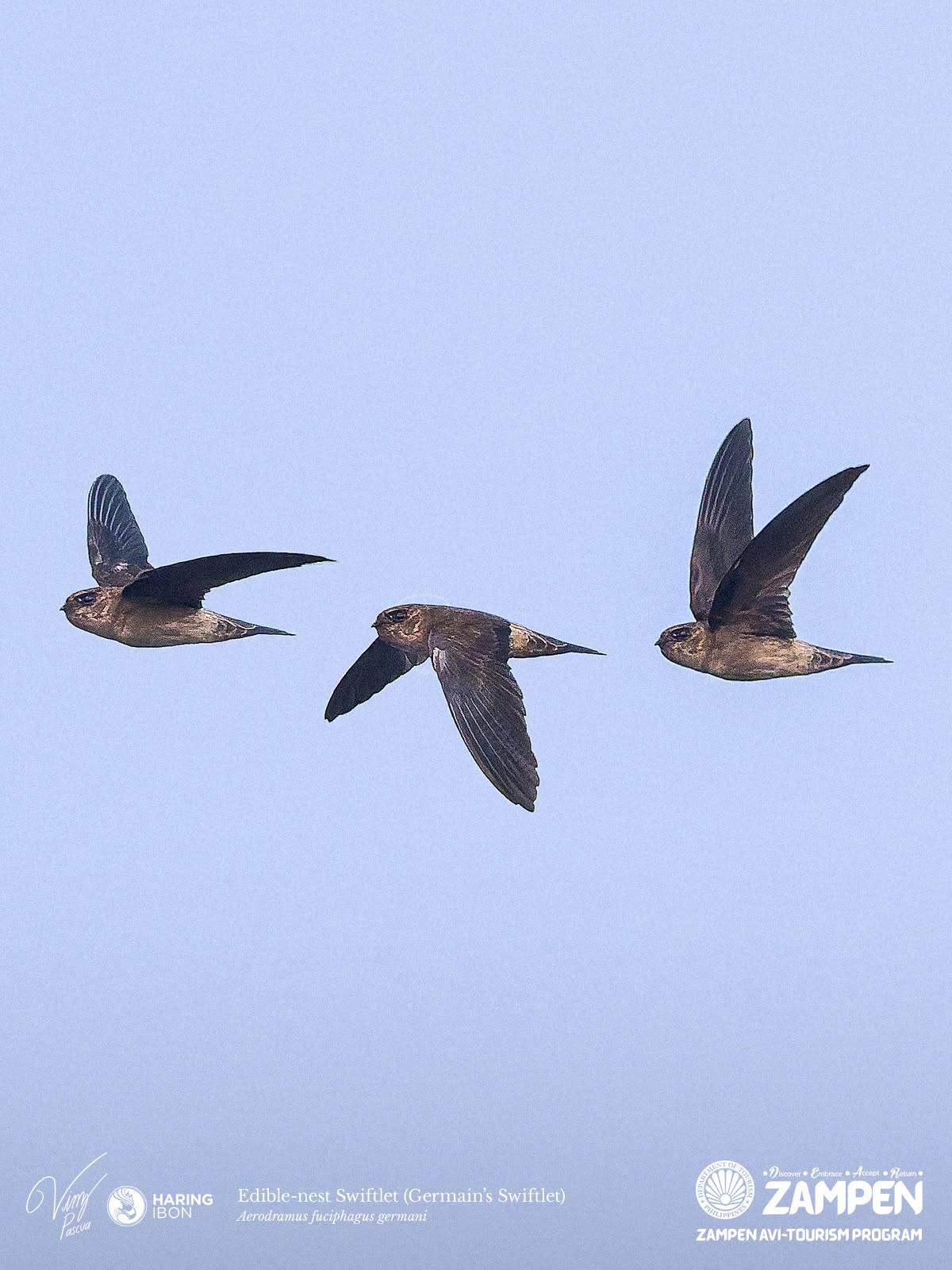
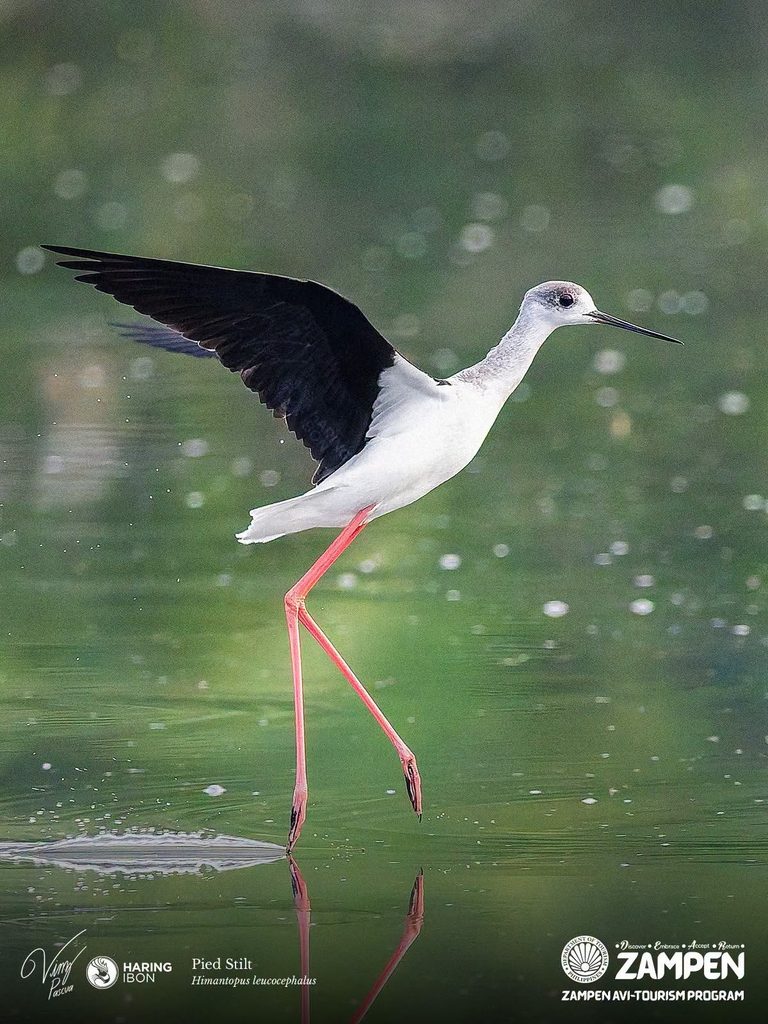
Recognized as an ASEAN Heritage Park, Pasonanca Natural Park is among the region’s important protected natural areas, providing habitat for wildlife that depends on relatively intact forest ecosystems.
Unlike the conspicuous flocks of shorebirds that gather along coastal wetlands, forest birds are often more difficult to observe. Many remain concealed among branches and dense foliage, making their identification a more demanding experience for birdwatchers.
Among the notable species recorded during the activity were the Zamboanga Bulbul and White-eared Tailorbird. Their presence highlights the distinctive birdlife supported by the peninsula’s forest habitats.
The observations also demonstrate why protecting forest ecosystems is essential to biodiversity conservation. Forests provide food, shelter, nesting sites, and breeding grounds for birds and other wildlife. Their ecological functions extend beyond the boundaries of protected areas, contributing to watershed protection and the stability of surrounding ecosystems.
The conservation value of Pasonanca therefore lies not only in its scenic landscape but also in its role as a refuge for wildlife and an important component of the region’s natural heritage.
76 species highlight the region’s birdwatching potential
The two-day validation tour documented a total of 76 bird species across the two sites, bringing attention to the diversity of habitats and birdlife found within the Zamboanga Peninsula.
Participants included members of Haring Ibon, Bird Finder Philippines, the Wild Bird Photographers of the Philippines (WBPP), and the Wild Bird Club of the Philippines (WBCP).
Their participation brought together birdwatching experience, wildlife photography, and field observations that could help inform the assessment of potential birdwatching destinations and tourism corridors.
The recorded species, ranging from migratory shorebirds in Sibugay to forest-dwelling birds in Pasonanca, demonstrate the opportunity to develop tourism experiences that showcase different ecosystems within the same region.
For birdwatchers and wildlife photographers, these habitats offer opportunities to observe species in their natural environments. For local communities, responsible birdwatching tourism could create opportunities for livelihood development through nature guides, local transport, accommodation, food services, and other tourism-related activities.
However, the development of such opportunities must be accompanied by appropriate environmental safeguards. Birdwatching activities require careful management to avoid disturbing nesting areas, disrupting feeding patterns, damaging vegetation, or putting additional pressure on sensitive habitats.
The long-term value of avi-tourism will ultimately depend on whether tourism activities can generate local benefits without undermining the ecosystems that make these destinations attractive in the first place.
Conservation must remain at the center of tourism development
The ZAMPEN Avi-Tourism Program seeks to strengthen the Zamboanga Peninsula’s identity as a destination for birdwatching and other nature-based tourism activities through the identification and assessment of important bird habitats.
The participation of the Department of Environment and Natural Resources (DENR) Region IX alongside the Department of Tourism – Zamboanga Peninsula Office reflects the importance of coordination between environmental protection and tourism development.
Such collaboration is particularly relevant in areas where tourism potential is closely tied to the condition of natural ecosystems.
Identifying birdwatching corridors is only one part of the process. Sustaining these destinations will require continued habitat monitoring, protection of wetlands and forests, responsible visitor management, and meaningful participation from communities living near these natural areas.
The presence of internationally important migratory birds also places the responsibility of conservation beyond local tourism planning. Wetlands such as Sibugay are part of broader ecological networks that support birds traveling across national boundaries. Protecting these habitats contributes to biodiversity conservation at both national and international levels.
Similarly, maintaining the ecological integrity of Pasonanca Natural Park is essential to ensuring that its forest-dependent wildlife continues to have suitable habitat.
A natural heritage worth protecting
The 76 species recorded during the validation tour provide an encouraging indication of the Zamboanga Peninsula’s potential as a birdwatching destination. More importantly, they draw attention to the ecological systems that make such diversity possible.
From the tidal mudflats and mangroves of Sibugay Wetland Nature Reserve to the forest canopy of Pasonanca Natural Park, the peninsula demonstrates how different habitats support different forms of wildlife while contributing to the broader balance of nature.
The challenge now is to translate this ecological wealth into tourism opportunities that benefit local communities while ensuring that conservation remains the priority.
Birdwatching can offer visitors a meaningful way to experience the region’s natural heritage, but its success should not be measured solely by visitor numbers or tourism revenues. It should also be measured by the condition of the habitats, the protection of wildlife, and the extent to which communities become partners in conservation.
The Zamboanga Peninsula’s greatest attraction may ultimately be more than the birds that gather in its wetlands or hide among its forests. It is the living landscape that allows them to survive.
As the ZAMPEN Avi-Tourism Program advances, the 76 recorded species serve as a reminder that protecting biodiversity and developing sustainable tourism should not be competing priorities. When properly managed, one can strengthen the other.