
SUMILAO, Bukidnon — A pineapple harvester was killed after being struck by lightning while working in a plantation in Sumilao, Bukidnon on Thursday, June 11, highlighting the dangerous conditions agricultural workers face daily in the country’s vast farmlands.
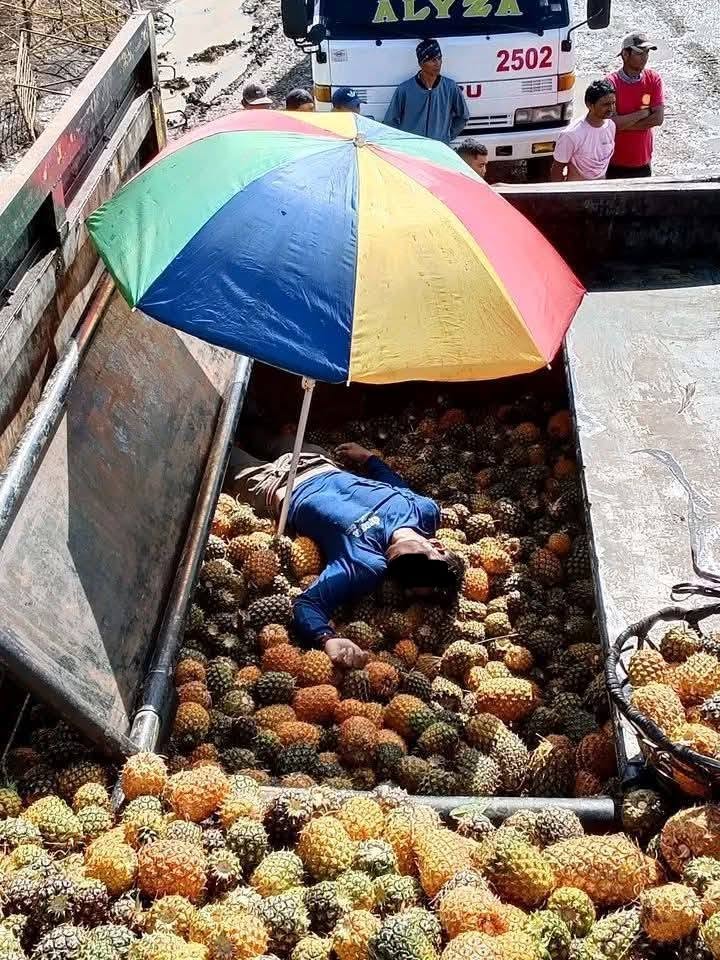
The victim, identified only by the alias “Don,” was reportedly harvesting pineapples when a lightning strike suddenly hit the area, causing his immediate death.
According to initial reports, the worker continued carrying out his duties despite the weather conditions when the tragic incident occurred. Fellow workers were left shocked by the sudden loss as the lightning strike turned an ordinary workday into a fatal tragedy.
Authorities have launched an investigation to determine the exact circumstances surrounding the incident and establish the sequence of events that led to the harvester’s death.
Police and local officials have also renewed calls for heightened safety measures among farm workers, especially during periods of unstable weather, thunderstorms, and lightning activity.
Risks Faced by Agricultural Workers
The incident has once again drawn attention to the harsh and often dangerous realities faced by agricultural laborers across the Philippines.
Farm workers, particularly those employed in large plantations, routinely work under extreme weather conditions, including intense heat, heavy rains, strong winds, and thunderstorms. Unlike office workers or employees in enclosed workplaces, many agricultural laborers spend long hours in open fields with little protection from natural hazards.
Lightning strikes pose a significant threat in agricultural areas because workers are often exposed in vast open spaces where there are few structures that can provide shelter. The danger becomes even greater when workers carry metal tools or equipment and continue working during approaching storms.
Aside from lightning strikes, farm workers regularly face risks such as heat exhaustion, dehydration, accidents involving farm machinery, exposure to agricultural chemicals, snake bites, and other work-related hazards. Despite these dangers, many continue to report for work daily to support their families and sustain the country’s food supply chain.
Labor advocates have long emphasized the need for stronger occupational safety protocols in farms and plantations, including weather monitoring systems, emergency response procedures, and immediate work suspension policies during severe weather events.
Calls for Greater Protection
The death of “Don” has sparked calls for plantation operators and employers to prioritize worker safety, particularly during the rainy season when thunderstorms become more frequent across Mindanao.
Safety experts stress that work in open fields should be halted immediately once thunder is heard or lightning is observed in the vicinity. Workers should be directed to designated shelters and allowed to resume operations only after weather conditions have stabilized.
As the investigation continues, the tragedy serves as a grim reminder of the sacrifices and dangers endured by agricultural workers—individuals whose labor helps feed communities yet who often remain vulnerable to the unpredictable forces of nature.
The family of the victim has yet to issue a public statement as relatives and fellow workers mourn the loss of a man whose day of honest labor ended in a devastating and unforeseen tragedy.