
ZAMBOANGA CITY — In a significant demonstration of regional security cooperation, the Philippines, Indonesia, and Malaysia recently carried out coordinated trilateral maritime and air patrols in the waters of Tawi-Tawi, reinforcing their collective commitment to safeguarding the tri-border area against evolving security threats.
The operation, conducted under the framework of the Indonesia-Malaysia-Philippines Trilateral Cooperative Arrangement (INDOMALPHI TCA), involved the Armed Forces of the Philippines (AFP) through the Western Mindanao Naval Command (WMNC) and Tactical Operations Wing Western Mindanao (TOWWESTMIN), alongside their Indonesian and Malaysian counterparts.
The coordinated patrols highlighted the growing partnership among the three Southeast Asian nations as they work together to address transnational security challenges, including terrorism, piracy, kidnapping-for-ransom activities, smuggling, and other maritime crimes that have historically threatened the strategically important maritime corridor connecting the three countries.
Military officials said the activity aimed to strengthen regional security cooperation, improve maritime domain awareness, and enhance operational interoperability among participating forces operating within the Area of Maritime Interest covered by the trilateral arrangement.
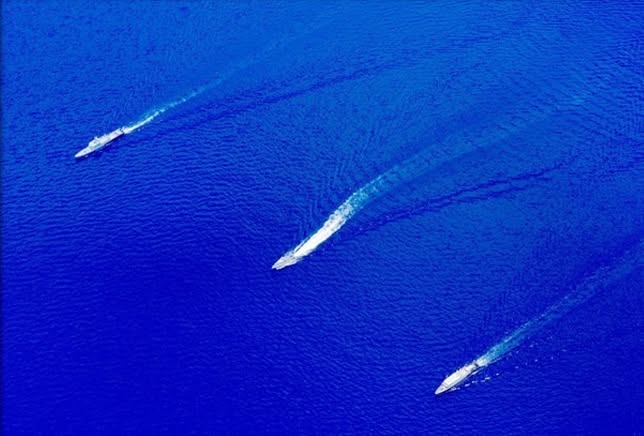
Naval vessels and military aircraft from the three nations conducted synchronized operations across key maritime routes in the waters surrounding Tawi-Tawi, maintaining a unified security presence while enhancing the capability of participating forces to respond swiftly to potential threats.
The patrols also served as a platform for strengthening information-sharing mechanisms and testing coordinated response procedures designed to address security incidents that may arise within the tri-border region.
Security analysts have long regarded the waters linking the southern Philippines, eastern Malaysia, and northern Indonesia as a critical security zone due to its proximity to international shipping routes and its historical vulnerability to cross-border criminal activities and extremist movements.
By conducting joint maritime and aerial surveillance operations, the three nations demonstrated their shared resolve to protect vital sea lines of communication and preserve stability in one of Southeast Asia’s most strategically significant maritime regions.
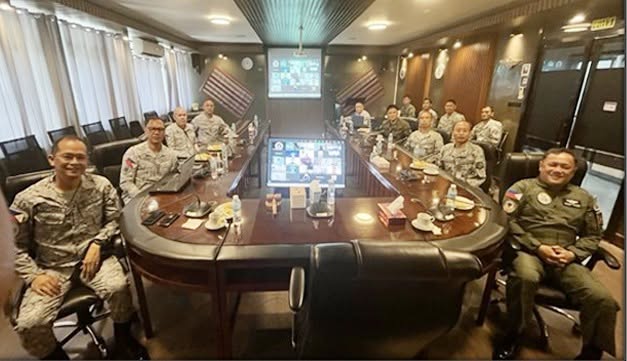
Following the patrols, representatives from the Philippines, Indonesia, and Malaysia convened to evaluate the results of the operation and discuss measures to further strengthen future cooperative security initiatives.
The assessment focused on operational outcomes, coordination procedures, and opportunities to improve the effectiveness of future joint patrols and security engagements under the INDOMALPHI TCA framework.
Military officials noted that the activity reaffirmed the effectiveness of existing trilateral coordination mechanisms and underscored the importance of sustained multinational cooperation in addressing increasingly complex maritime security challenges.
The successful conduct of the maritime and air patrols comes amid continued efforts by regional governments to maintain peace and stability in border areas vulnerable to transnational threats. It also reflects the growing recognition that security concerns in the maritime domain require collective action and close coordination among neighboring states.
As security dynamics continue to evolve across Southeast Asia, the Philippines, Indonesia, and Malaysia remain committed to strengthening their longstanding partnership, ensuring that the tri-border area remains secure, stable, and resilient against threats that could undermine regional peace and economic activity.
The latest operation stands as a testament to the enduring cooperation among the three nations and their shared determination to safeguard their common maritime borders through coordinated security efforts, enhanced vigilance, and sustained military collaboration.