
PAHAMUDDIN, SGA-BARMM — Fear, displacement, and uncertainty have once again gripped communities in the Special Geographic Area (SGA) of the Bangsamoro Autonomous Region in Muslim Mindanao (BARMM) as separate incidents of clan conflict forced residents to flee their homes and left families mourning the dead.
What began as a feud between powerful families has once again transformed civilian communities into unwilling battlegrounds, exposing ordinary residents—including women, children, and the elderly—to danger, trauma, and displacement.
On June 21, an armed encounter erupted in Barangay Patot, Pahamuddin, involving members of the Gomobar and Perogongan families. Initial reports indicated that one individual from each side was killed during the exchange of gunfire.
While the fatalities were recorded among those directly involved in the conflict, it was the civilians who immediately suffered the consequences.
Residents reported scenes of panic as gunfire shattered the peace of the community, forcing families to seek safety amid fears that the violence could escalate further. The clash generated widespread anxiety among villagers who found themselves caught in the middle of a dispute not of their making.
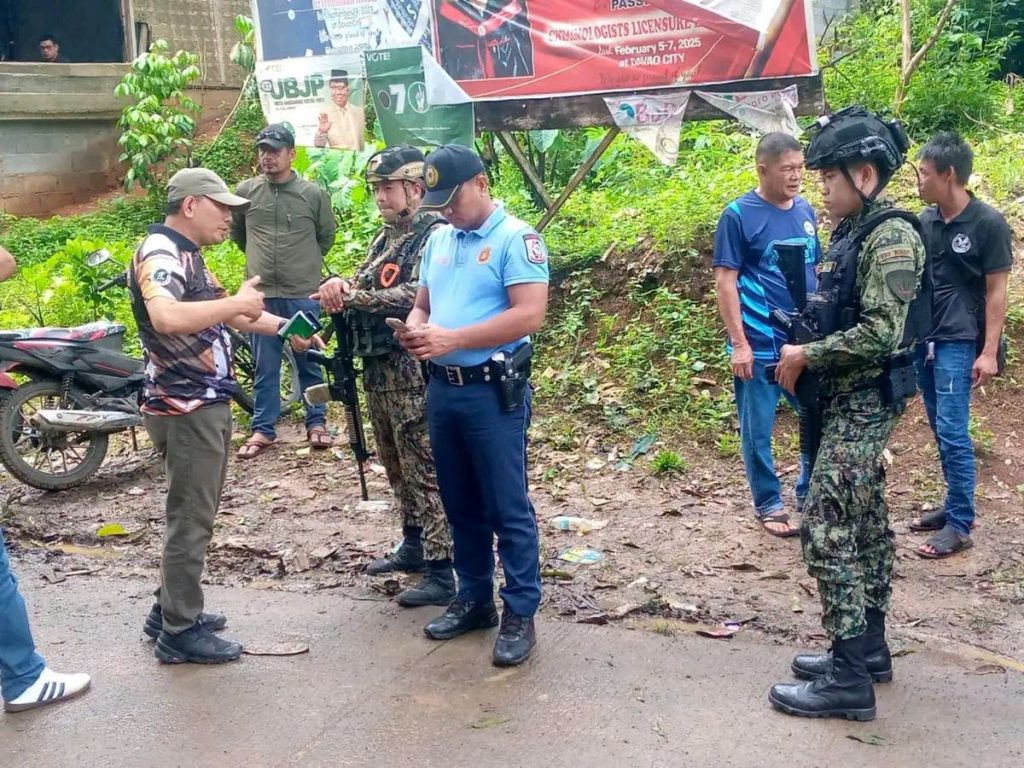
Municipal Councilor Raffy Ben Alhusainie, who also serves as a member of the Moro Islamic Liberation Front (MILF) Coordinating Committee on the Cessation of Hostilities (CCCH), Joint Peace and Security Team (JPST) focal person, and Officer-in-Charge of the 128th Base Command, personally visited Barangay Patot following the incident.
During his visit, Alhusainie met with affected families and expressed condolences to those who lost loved ones and sympathy to residents whose lives were disrupted by the violence.
He stressed that violence can never be the answer to disputes and called on both sides to exercise restraint and support existing peace mechanisms aimed at resolving conflicts through dialogue rather than armed confrontation.
However, the situation in Patot was not the only source of concern.
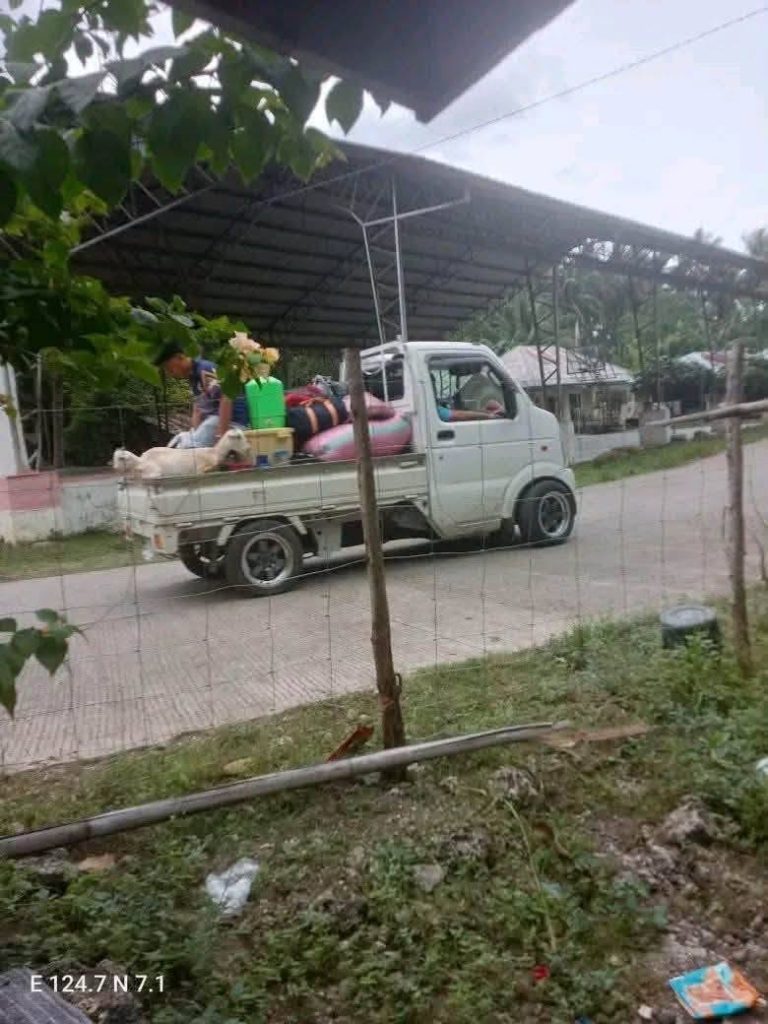
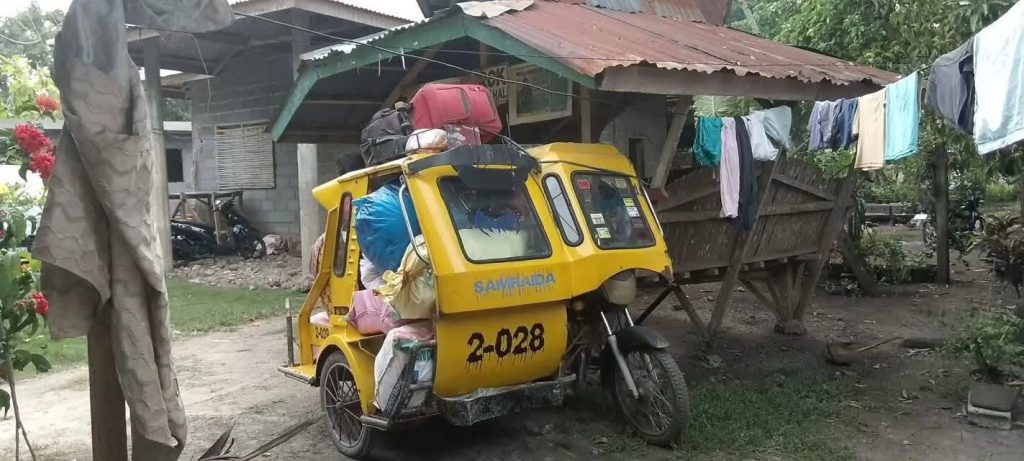
On the same day, residents of Barangay Balungis in Malidegao, SGA-BARMM, began evacuating their homes amid growing fears of another possible outbreak of violence linked to a clan feud.
According to initial reports, heavily armed individuals associated with rival groups were allegedly involved in rising tensions in the area. Fearing they could become trapped in the crossfire or struck by stray bullets, numerous families abandoned their homes and sought refuge in safer locations.
The mass departure was so extensive that some residents described Balungis as a “ghost barangay” by nightfall, with large portions of the community nearly deserted.
For many of the displaced, the evacuation meant leaving behind livelihoods, belongings, livestock, and the security of their homes. Parents worried about the safety of their children, while elderly residents faced the difficult challenge of fleeing with limited resources.
The incidents underscore a painful reality that has repeatedly confronted many communities in conflict-affected areas of Mindanao: while clan feuds are often fought by a few individuals, it is the wider civilian population that pays the highest price.
Every gunshot sends children running in fear. Every threat of retaliation forces families to abandon their homes. Every escalation disrupts livelihoods, education, and the fragile sense of security that communities struggle to rebuild.
Peace advocates and local leaders continue to emphasize that rido, or clan feuds, leave no real winners. Instead, they create a cycle of violence that claims lives, divides communities, and subjects innocent civilians to repeated suffering.
Authorities and peace mechanisms are currently monitoring the situation in both affected areas to prevent retaliatory attacks and ensure the safety of residents.
As tensions remain high, many displaced families are hoping for one thing above all else—not victory for either side, but a return to peace that will allow them to safely return home and rebuild their lives free from the shadow of violence.