
IPIL, Zamboanga Sibugay — In a decisive step toward lasting peace and community stability, the Provincial Government of Zamboanga Sibugay, in partnership with the Armed Forces of the Philippines (AFP) and national agencies, formalized its commitment to localized peace-building through the Ceremonial Signing of the Memorandum of Agreement (MOA) for the Localizing Normalization Implementation (LNI) Program on February 10, 2026, at the Provincial Capitol here.
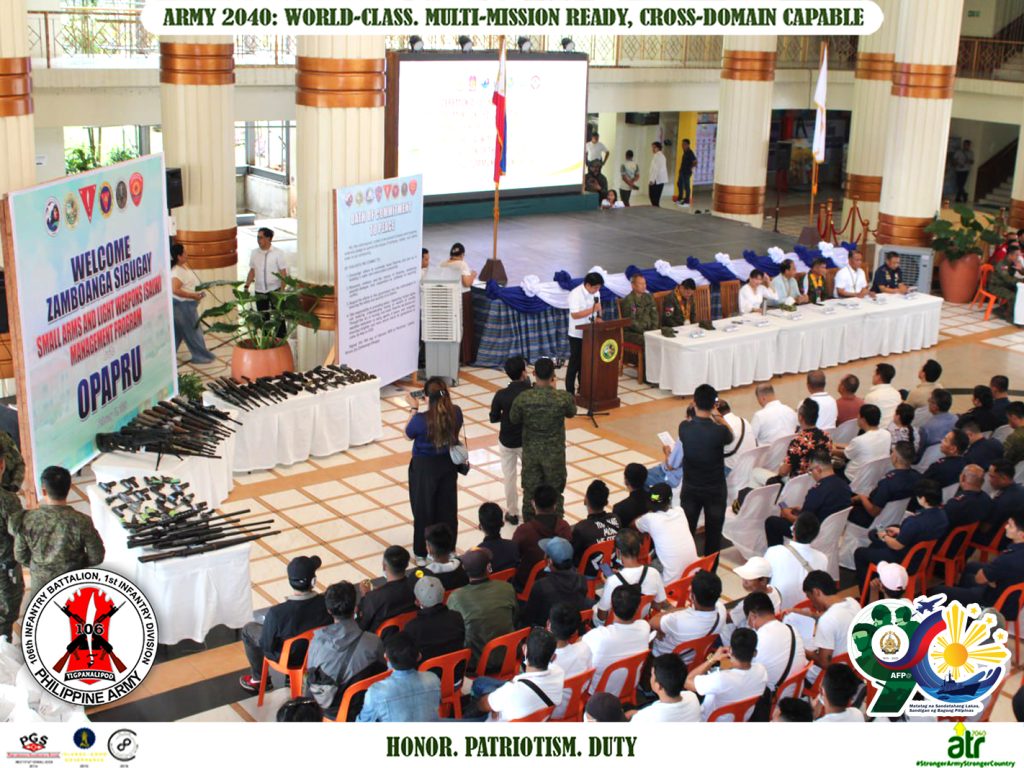
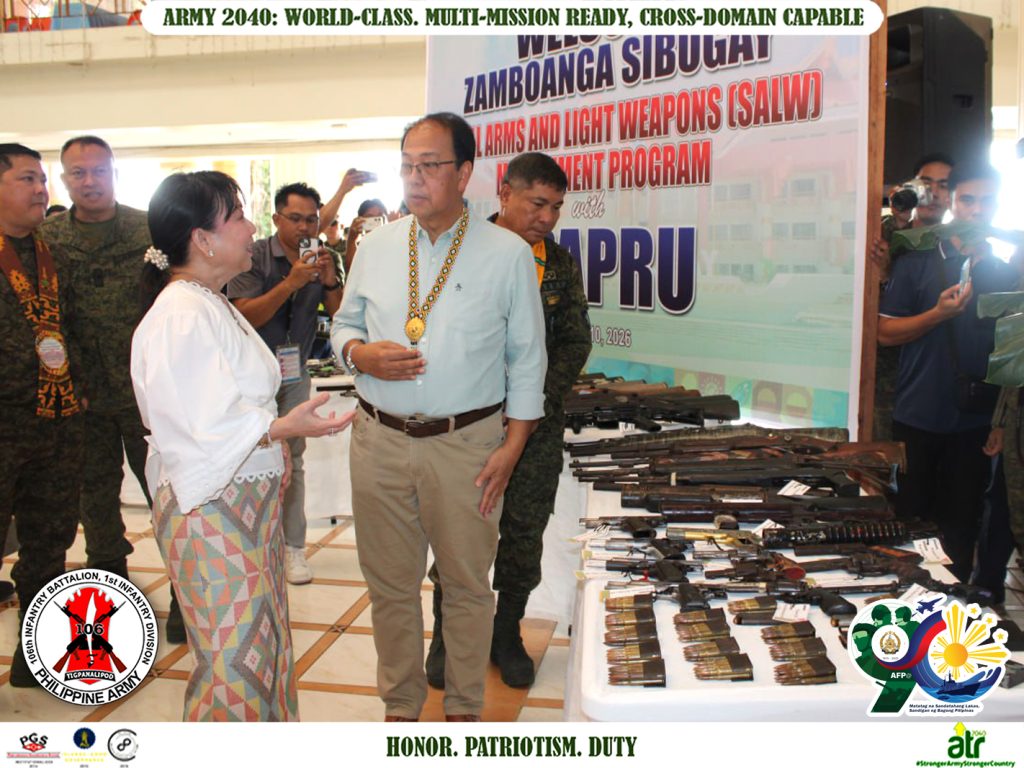
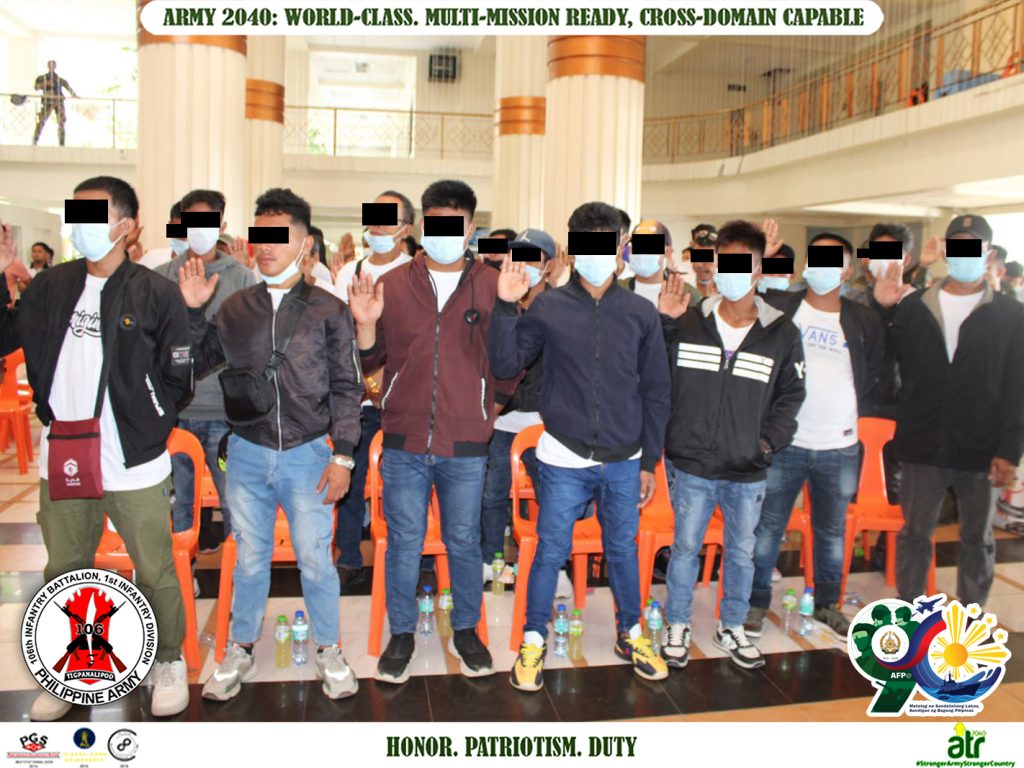
The milestone event, led by the Office of the Presidential Adviser on Peace, Reconciliation, and Unity (OPAPRU) under Secretary Carlito G. Galvez Jr., brought together military leaders, government officials, civil society groups, and community representatives in a unified effort to strengthen peace, security, and development in conflict-affected areas.
Advancing Localized Peace and Development
The LNI Program is a government-led initiative that brings peace-building efforts directly to the grassroots level. It focuses on addressing security concerns, supporting the lawful surrender of firearms, and helping former combatants and affected communities transition from armed conflict to peaceful civilian life.
Through a whole-of-government and whole-of-society approach, the program promotes community-driven solutions and inclusive development programs. It also complements the national government’s Normalization Program under the Comprehensive Agreement on the Bangsamoro (CAB), reinforcing Zamboanga Sibugay’s role in sustaining regional peace.
The signing of the MOA between OPAPRU and the provincial government formalized collaboration among local leaders, the 102nd Infantry Brigade, law enforcement agencies, national government offices, civil society organizations, and representatives from the MILF and MNLF communities.
Symbolic Turnover of Firearms Strengthens Public Safety
A major highlight of the ceremony was the turnover of 64 assorted Small Arms and Light Weapons (SALW) under the government’s disarmament program. The weapons, voluntarily surrendered by civilians and former combatants, were formally turned over to the provincial government through the joint efforts of the 1st Infantry (Tabak) Division, 102nd Infantry Brigade, and partner law enforcement agencies.
Officials said the surrender of loose firearms is a crucial step in reducing violence, preventing armed conflicts, and restoring public confidence in local governance.
“This initiative strengthens trust between communities and authorities and contributes to a safer environment for all,” military officials noted.
Unified Communication Network Boosts Emergency Response
The ceremony also marked the activation of the Provincial Unified Communication Network System, a modern platform designed to improve real-time coordination among AFP units, the Philippine National Police (PNP), local government units, and national agencies.
The system is expected to enhance emergency response, improve threat preparedness, and strengthen community service delivery, particularly in remote and vulnerable areas.
Support for Former Combatants and Affected Families
Demonstrating strong local government support, Governor Dulce Ann K. Hofer led the distribution of assistance packages to participating families. Beneficiaries received food packs, one sack of rice each, and cash assistance to help them meet basic needs and rebuild their lives.
“These interventions aim to ensure that families transitioning to peaceful civilian life are not left behind,” provincial officials said, emphasizing that economic security is vital to sustaining peace.
Leaders Call for Unified and Inclusive Peace Efforts
Governor Hofer underscored the importance of local governments in maintaining peace, stressing the need for a coordinated and holistic approach that integrates security, development, and social services.
“Lasting peace can only be achieved when all sectors work together and communities are empowered to take part in shaping their future,” she said.
Meanwhile, Secretary Galvez praised Zamboanga Sibugay’s multi-sectoral strategy, highlighting shared decision-making and local ownership as key pillars of sustainable peace.
“The success of normalization lies in collective responsibility and strong community participation,” Galvez emphasized.
Strong Military and Agency Support
The activity was attended by key AFP and security leaders, including Lt. Gen. Donald M. Gumiran, Commander of Western Mindanao Command; Maj. Gen. Yegor Rey P. Barroquillo Jr., Commander of the 1st Infantry Division; Brig. Gen. Samuel G. Yunque of the 102nd Infantry Brigade; Brig. Gen. Billy O. Dela Rosa of the 103rd Infantry Brigade; battalion commanders; and heads of the PNP, Philippine Coast Guard, and national government agencies.
The 106th Infantry “Tigpanalipod” Battalion reaffirmed its commitment to sustaining inter-agency coordination, localized peace initiatives, and rapid response mechanisms in support of the LNI Program.
Building a Safer and More Resilient Zamboanga Sibugay
With the formalization of the LNI Program, the surrender of loose firearms, and the launch of a unified communication system, Zamboanga Sibugay continues to strengthen its foundation for peace and development.
Officials expressed optimism that these integrated efforts will help transform former conflict zones into resilient, productive communities, ensuring that peace dividends are felt by present and future generations.
As the province moves forward, leaders stressed that sustained cooperation among government institutions, security forces, and local communities remains essential in building a safer, more inclusive, and more prosperous Zamboanga Sibugay.