
ZAMBOANGA CITY — At a time when Mindanao is once again being branded a terrorism hotspot, the Province of Basilan is asserting a powerful counter-narrative: peace rooted in faith, culture, and community leadership.
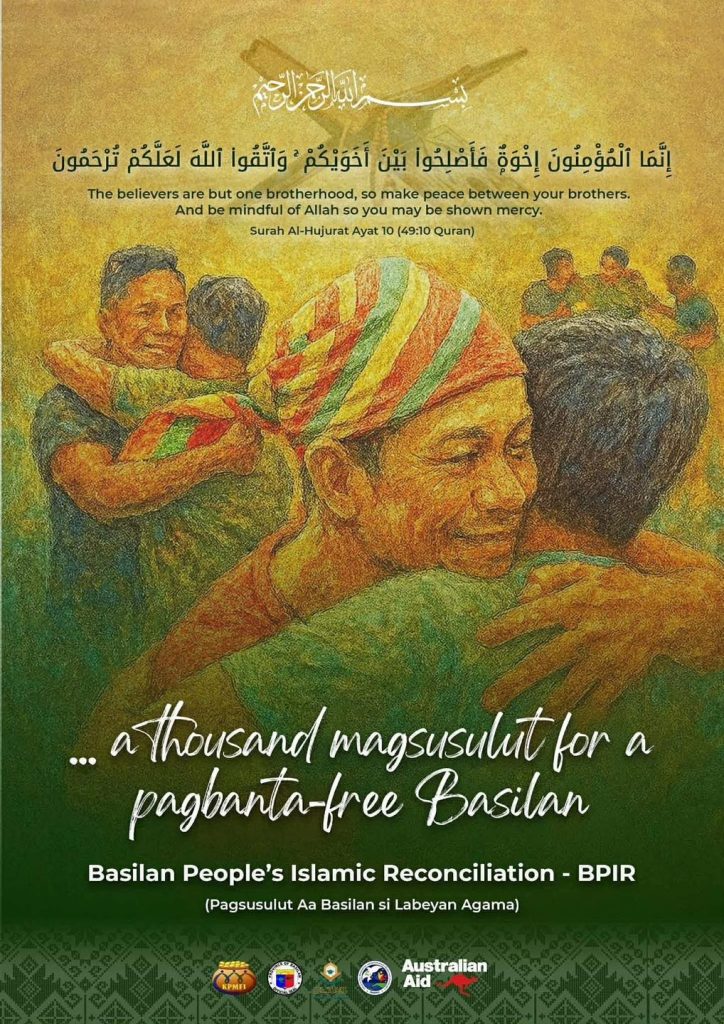
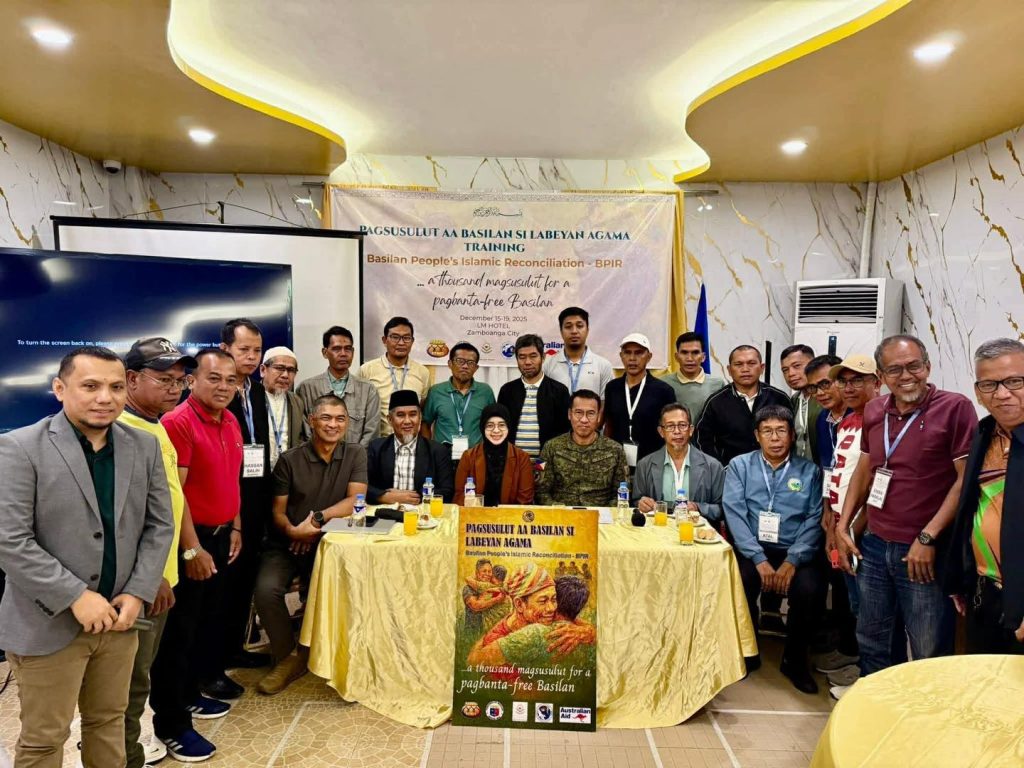
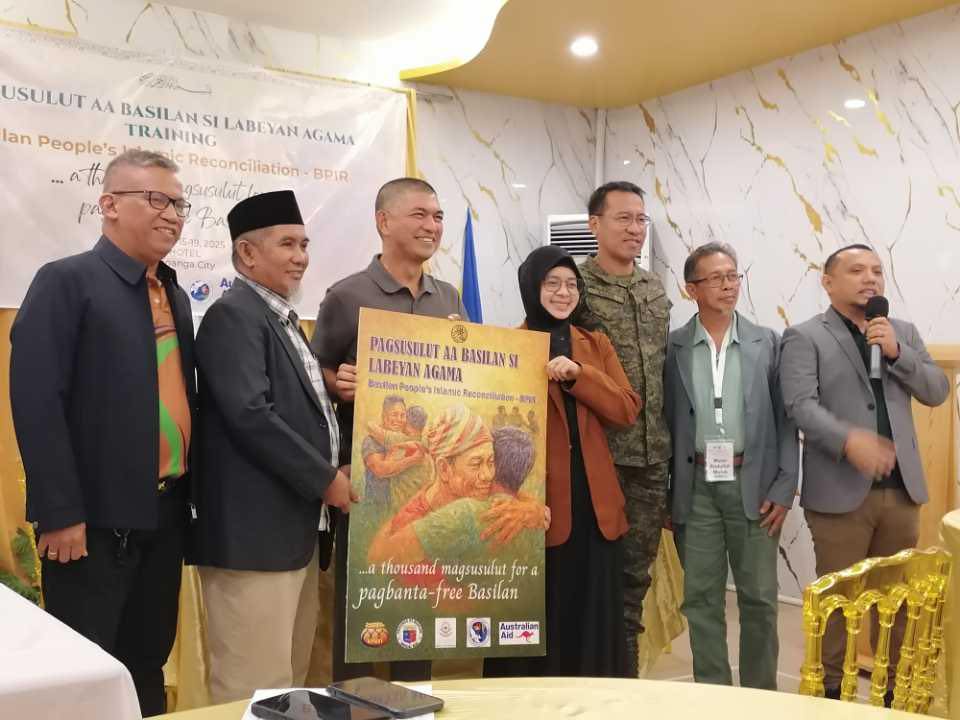
On December 15, the Provincial Government of Basilan formally launched the Basilan People’s Islamic Reconciliation (BPIR) Program, alongside a five-day Training–Workshop for Local Mediators and Reconcilers that runs until December 19 at LM Hotel in Zamboanga City. The initiative brings together leaders and peacebuilders to strengthen unity and resolve conflicts peacefully across Basilan’s diverse communities.
The BPIR Program emerged from a fundamental question: How can conflicts be resolved in a way that people genuinely accept and that remains true to their culture and traditions? Its answer is Islamic-based reconciliation—a long-standing community practice anchored on the principles of sulh (peaceful settlement), hikmah (wisdom), and adl (justice).
Implemented by the Provincial Government of Basilan in partnership with the Basilan Provincial Council of Elders (Darul Ifta’–Basilan) and Katilingbanong Pamahandi sa Mindanaw Foundation Inc., the program gathered 35 participants composed of ulama, community elders, and religious and traditional leaders from 11 municipalities and two cities of the province. These participants are trusted figures who have long served as mediators and problem-solvers in their respective barangays.
Governor Mujiv Hataman underscored that lasting peace does not come from imposed solutions, but from processes deeply rooted in the people’s faith, identity, and daily realities. His message was delivered by Atty. Nur-aiza Gagarra, acting Legal Officer of the province, during the opening of the program.
“The foundation of sustainable peace is the community itself,” the governor’s message stressed, “strengthened by mechanisms that resonate with the Basileños’ beliefs and collective identity.”
The BPIR Program is guided by a clear vision: a threat-free Basilan where Muslims, Christians, and Indigenous Peoples live in safety, dignity, and hope. More than a training, it is a declaration that peace in Basilan is not an abstract goal but a lived, community-driven process.
As external narratives continue to associate Mindanao with violence and extremism, Basilan’s initiative stands as timely and resolute proof that communities—through faith, open dialogue, and cooperation—can reclaim and sustain peace on their own terms.