
MALABANG, LANAO DEL SUR — A tricycle driver was brutally shot dead in front of his young son in Barangay Mabel on Thursday afternoon, November 27, in a crime that residents and authorities describe as “chilling, senseless, and deeply alarming.”
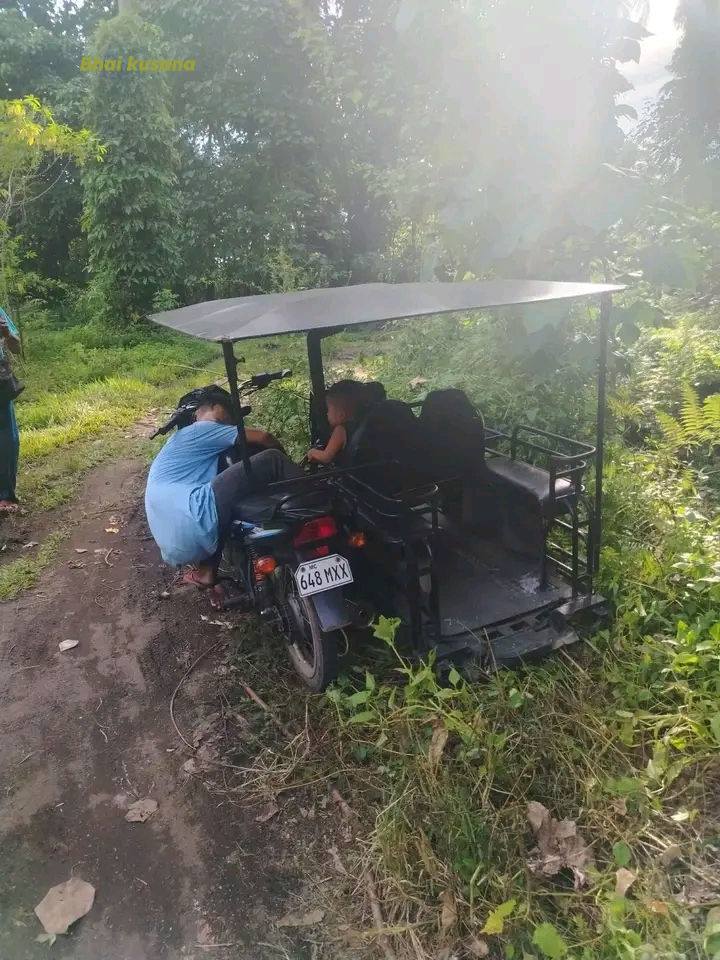
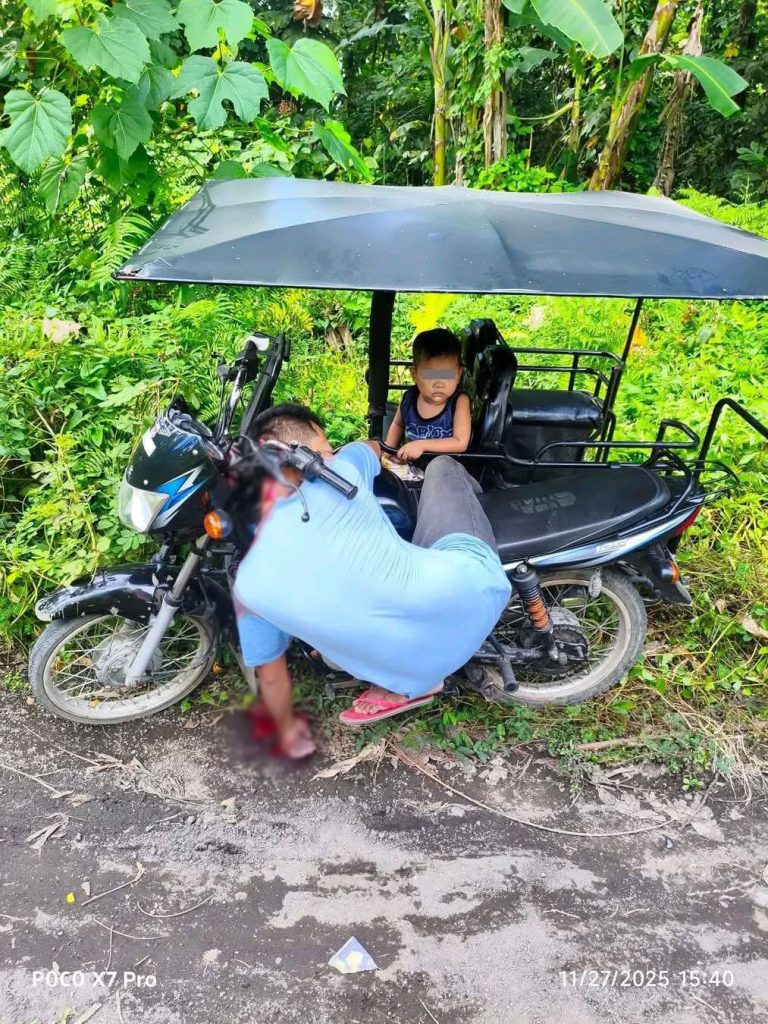
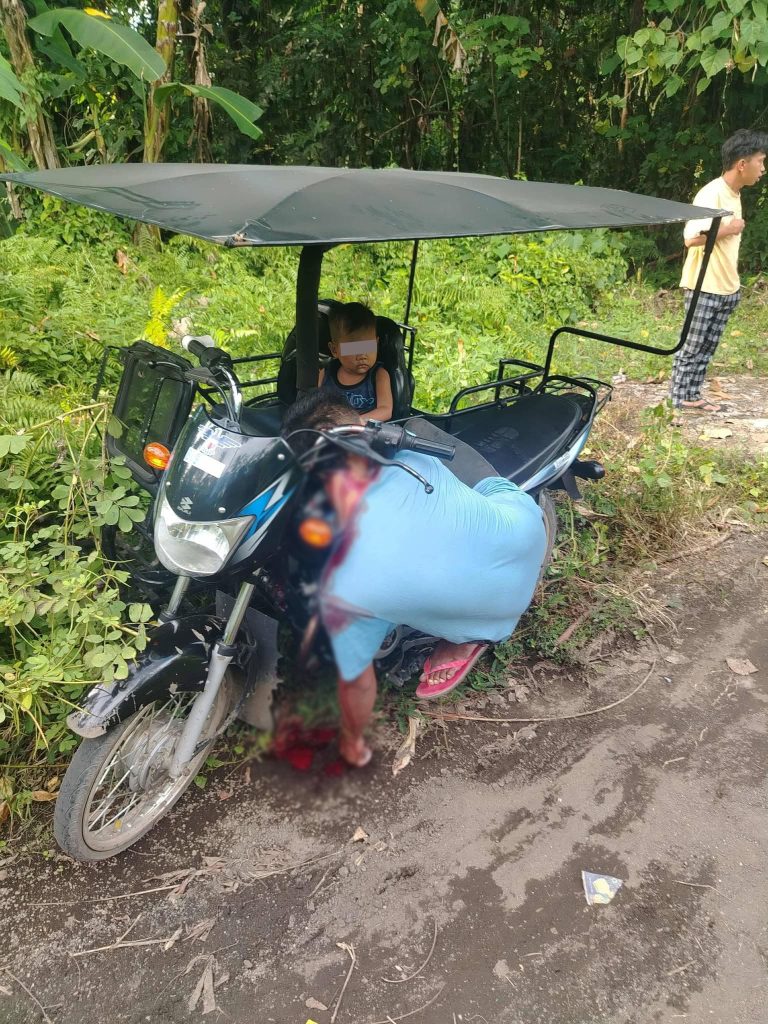
The victim, whose identity is still being validated by police, was driving his payong-payong tricycle with his child—known to the family simply as “Baby Boy”—when an unidentified gunman suddenly emerged and fired at close range. The father died instantly. Miraculously, the child survived the attack unharmed.
But the true wound, community elders say, is not physical—it is psychological, generational, and dangerously familiar in a region long scarred by clan feuds, shadow economies, and unresolved grievances.
A Child Left With Trauma—And a Future Shaped by Revenge?
Photos taken by residents show the stunned young boy sitting beside his father’s lifeless body, unaware of the depth of the tragedy that unfolded before his eyes.
For the grieving family, the pain is unbearable.
They lament that the boy, too young to understand what happened, may grow up carrying the trauma and anger of witnessing his father’s violent death—a seed that, if left unaddressed, could grow into the same cycle of vengeance that has fueled decades of conflict in Lanao del Sur.
Community leaders warn that this is how the bloodshed continues:
A child witnesses the murder of a parent, grows up in a climate of fear and injustice, and is eventually driven toward retaliation to reclaim honor, dignity, or closure. Violence breeds violence, and the cycle tightens.
Police Vow Justice, Appeal for Cooperation
Police immediately cordoned off the crime scene to preserve crucial evidence. Hot pursuit operations are ongoing, according to Lanao del Sur Police Director Col. Caesar Cabuhat, who assured the family that investigators are exhaustively working to identify and apprehend the assailants.
The Malabang Municipal Police Station is currently conducting a deep probe into the motive behind the killing. Authorities are appealing to witnesses or anyone with knowledge of the crime to come forward.
The Root Cause: A Region Held Hostage by Cycles of Feud and Violence
Incidents like this are not isolated in parts of Lanao del Sur. Experts and local officials have long pointed to several entrenched factors that keep violence alive:
- Rido, or clan feuds, that persist across generations
- The presence of private armed groups and illegal firearms
- Weak local justice systems that allow perpetrators to slip away
- Poverty and lack of opportunities that push individuals into violent networks
- A culture of silence born from fear and distrust
When justice is delayed or denied, families often turn inward—seeking to avenge wrongs through retaliatory force, not through courts. This perpetuates the endless cycle of killings, leaving more children traumatized and more communities living under the shadow of fear.
A Plea for Justice and Intervention
The victim’s family is now pleading with government agencies, investigators, and local leaders to ensure that this case does not disappear into silence. They ask that justice be swift, transparent, and firm—so that Baby Boy will grow up knowing that his father’s death was not ignored by the state meant to protect him.
Local advocates stress that without decisive action—counseling for the child, community mediation, stronger law enforcement, and long-term peace interventions—the region will continue to bury fathers, sons, brothers, and mothers in an unending river of blood.
“Umiiyak kami para sa hustisya,” a relative said.
“Kung walang hustisya, ang bata na saksi sa pagpatay ng kanyang ama ay lalaki na may galit sa puso—at doon na naman magsisimula ang panibagong cycle ng karahasan.”
A Community on Edge, A Child Forever Changed
As the sun set over Barangay Mabel that day, the community mourned not only the life lost but also the innocence stolen from a child—one more young soul shaped by the violence of Lanao del Sur.
Unless justice prevails and the deeper roots of conflict are addressed, tragedies like this will continue—and the next generation may inherit not hope, but hatred.