
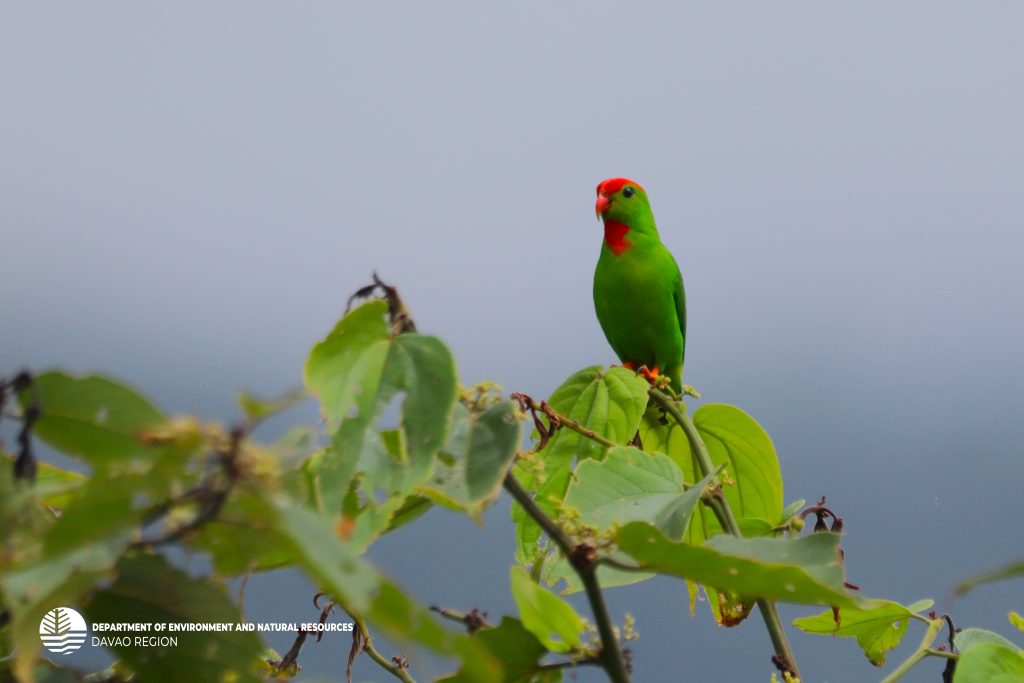
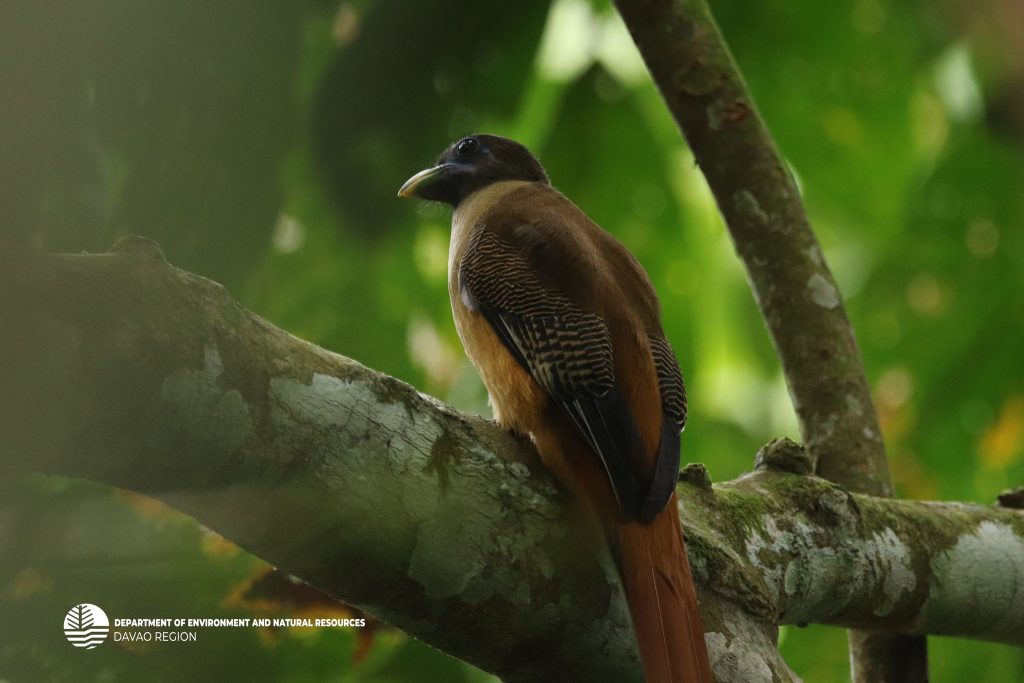
Mt. Apo Natural Park (MANP), rising majestically at 2,954 meters above sea level, is more than a climber’s bucket-list destination. It is a living sanctuary teeming with rare and endangered species—the mighty Philippine Eagle, the melodious Apo Myna, the vibrant Apo Sunbird, and even the elusive pitcher plant. Protecting this wealth of biodiversity, however, does not rest solely in the hands of government rangers. At the heart of this conservation effort are the Bantay Bukid volunteers—forest guardians deeply rooted in the indigenous communities of Davao City.
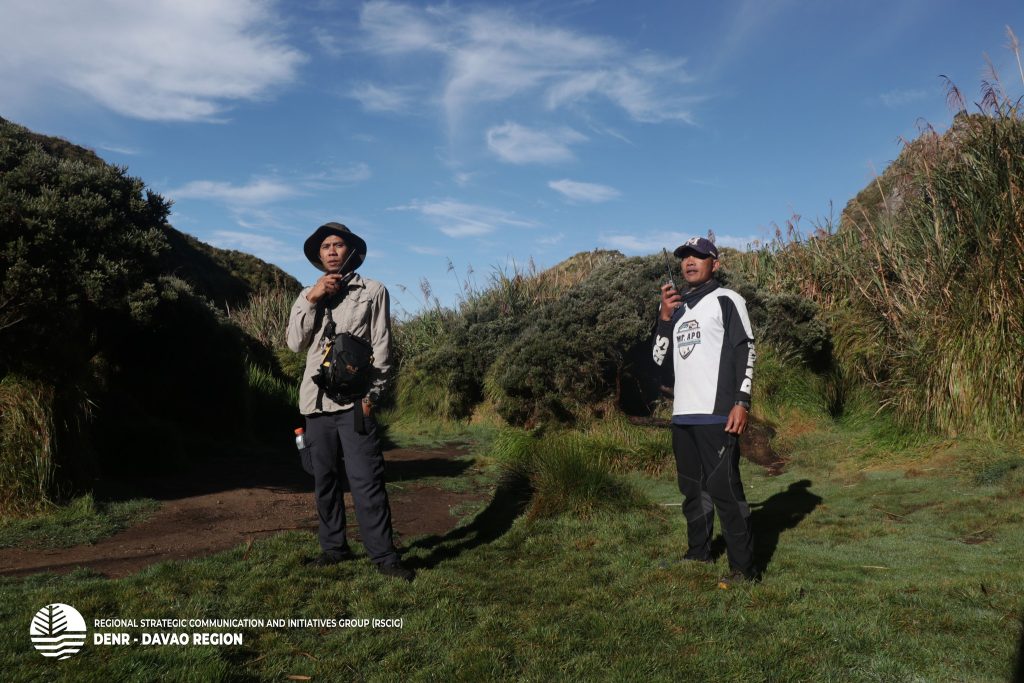
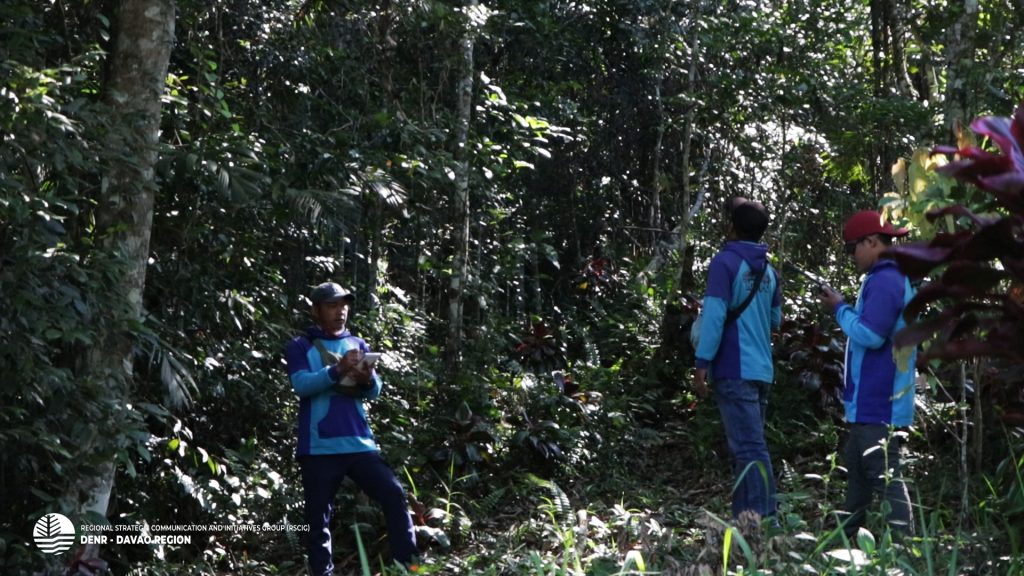
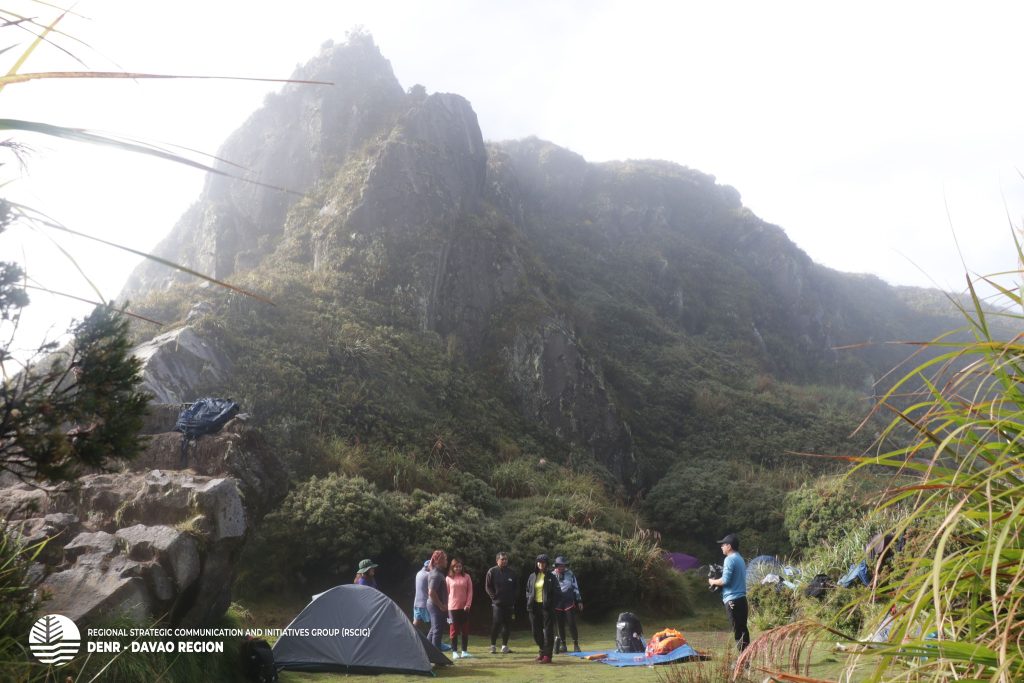
“These volunteers are a vital support to our mandate of protecting and conserving the country’s natural wealth,” said Department of Environment and Natural Resources Region XI (DENR-XI) Regional Executive Director Ma. Mercedes V. Dumagan. “Mt. Apo is not just the country’s highest mountain, it is home to irreplaceable biodiversity.”
From Eagle Monitors to Forest Guardians
The Bantay Bukid program began in 2014 through the Philippine Eagle Foundation, with the initial mission of monitoring the critically endangered eagle’s nesting sites. In 2016, the Davao City Government adopted and expanded the initiative to include watershed and forest protection. Volunteers—many from indigenous communities—were tapped to serve as forest guards, patrolling the vast 65,900-hectare park and ensuring that illegal activities are curbed.
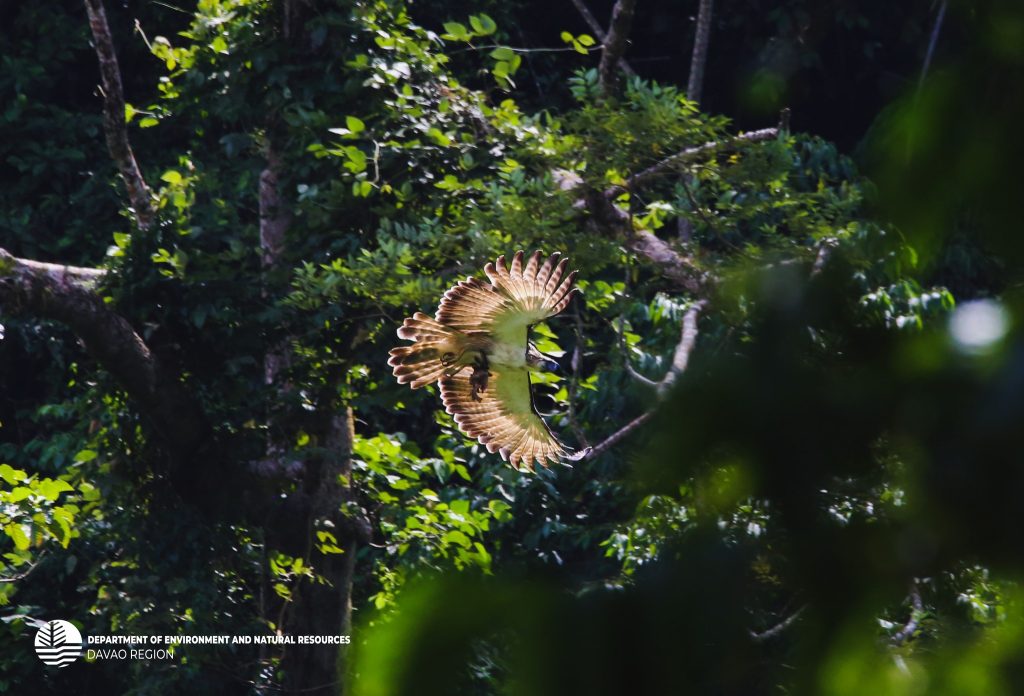
Today, Bantay Bukid works hand in hand with DENR-XI’s park rangers to patrol, monitor, and enforce environmental laws within the protected area. According to Clint Michael Cleofe, Protected Area Superintendent of MANP, the program also respects indigenous justice systems, allowing tribes to settle conflicts within their communities. “They can settle issues at their level. But if they need support, that’s when DENR or the City Government steps in,” Cleofe explained.
A Calling Beyond Incentives
Patrolling Mt. Apo is no easy task. It involves long treks across rugged terrains, braving harsh weather, and facing the risks of encountering loggers or poachers. Despite this, volunteers receive only a modest monthly incentive of ₱3,500 for 10 patrol days—a stipend that helps with daily needs but hardly compensates for the risks they take.
Yet for many, the work is less of a job and more of a calling.
“Above all, our forest needs to be protected. It’s a must and non-negotiable,” said Alvin Masicampo, 52, a Bantay Bukid volunteer. “I would rather plant more trees and patrol this area, no matter what, than let others destroy it.”
For Annalou Iñez Anto, who returned to her hometown after working abroad, joining the Bantay Bukid was a way of coming home with purpose. “For me, it’s an honor,” she said. “When one has a deep sense of love and undying dedication to protect the land, the ecosystem, and biodiversity within, it will all be worth it.”
Building Capacity for the Future
While their commitment is unquestionable, Bantay Bukid volunteers recognize that passion alone is not enough. They aspire for training in environmental law enforcement to strengthen their ability to act effectively.
“Sometimes we thought what we were doing on the ground was correct, but it turned out otherwise. That’s why we hope to undergo more training,” Anto admitted.
RED Dumagan has acknowledged this need and expressed openness to provide additional seminars and possibly deputize volunteers as Wildlife Enforcement Officers in the future.
Grassroots Conservation in Action
As Mt. Apo continues to draw climbers, scientists, and tourists alike, the Bantay Bukid volunteers stand as quiet but steadfast defenders of its natural treasures. Their intimate knowledge of the land, rooted in generations of indigenous stewardship, makes them indispensable allies in the fight against deforestation, poaching, and environmental degradation.
Their story is proof that conservation is not just about policies or enforcement—it is about people. It is about communities taking ownership of the land they call home, and about individuals who choose to protect something greater than themselves.
With every patrol, every tree planted, and every illegal activity stopped, the Bantay Bukid remind us that the survival of Mt. Apo—and the rare species that depend on it—rests not just on institutions, but on the human spirit of guardianship.