
Mt. Apo Natural Park, Cotabato – Beyond the towering trees, mossy forests, and panoramic views of the country’s highest peak lies a small yet remarkable treasure often overlooked by hikers and locals alike: a creeping shrub called Rubus pectinellus Maxim.
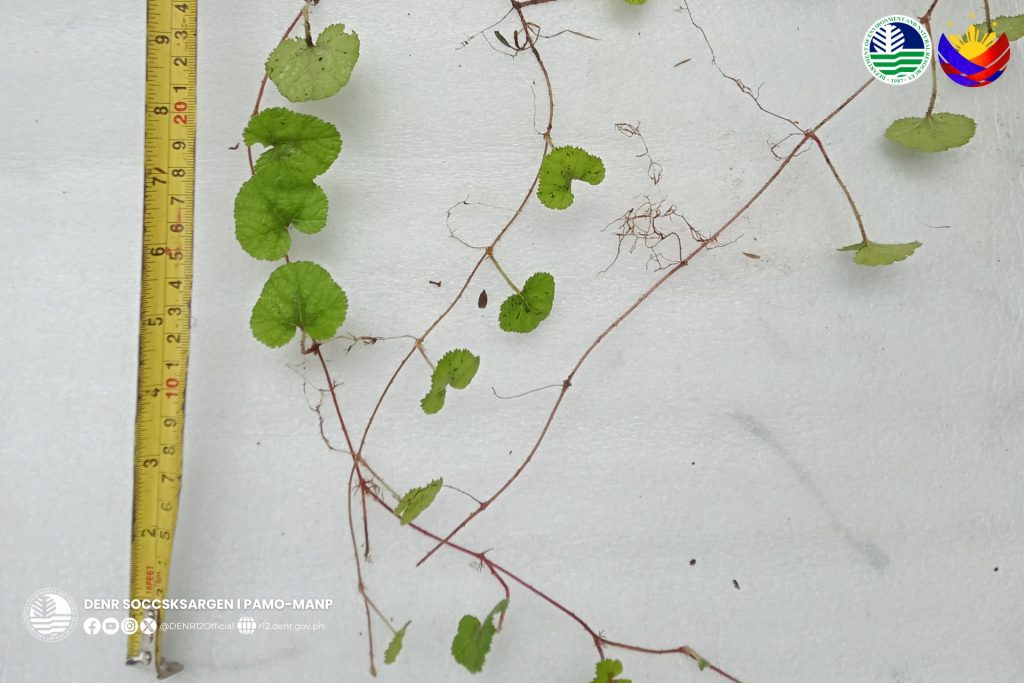
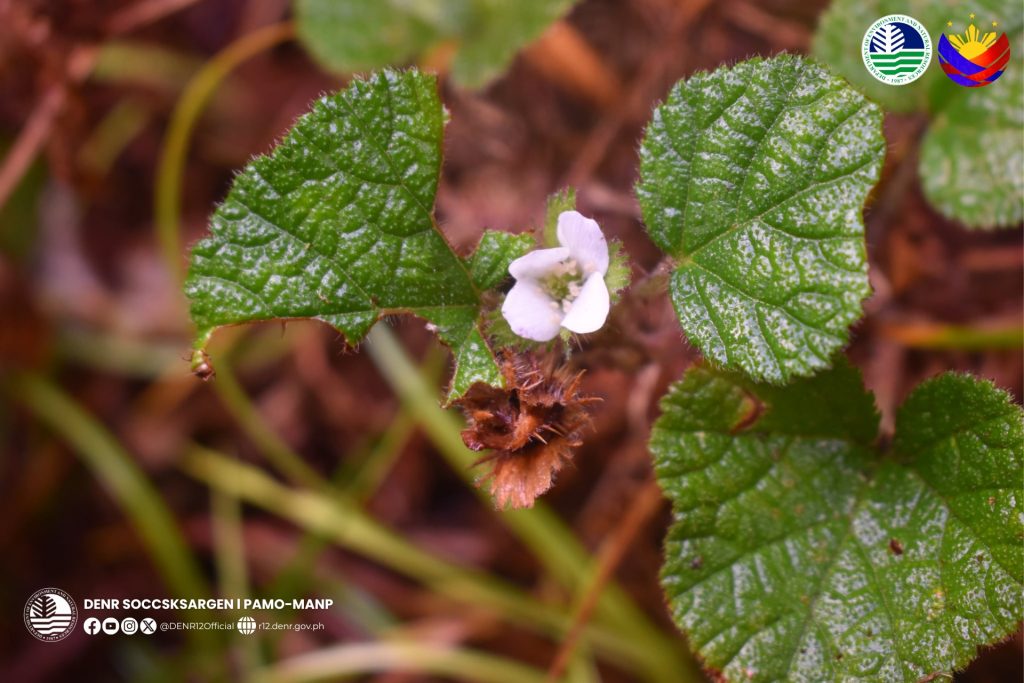
Recently rediscovered during the Inland Wetland Assessment and Profiling at Lake Ma’ag in Mt. Apo Natural Park, this plant—closely resembling the wild raspberry or sapinit—is quietly thriving in the shadow of giant pines and undergrowth. For generations, local communities have known of its presence, but it rarely drew attention due to its modest size and hidden growth beneath grasses.
A Mountain Berry in the Tropics
Found along the EDC Trail at altitudes between 2,023 to 2,442 meters, Rubus pectinellus grows across a variety of forest ecosystems—from primary and secondary forests to mossy, moisture-rich areas. Its presence signals a healthy and balanced environment, an indicator of the park’s thriving biodiversity.
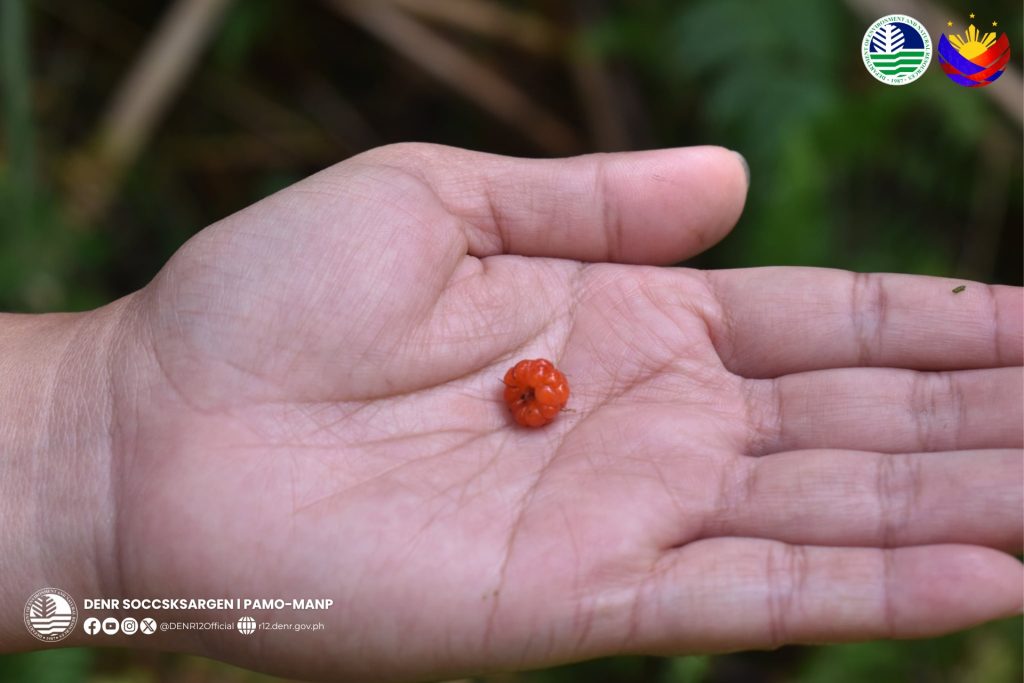
The shrub is easily distinguished by its thin thorny stems, rough toothed leaves, and clusters of small white flowers. But its real charm is its fruit: a bright red berry about 1.5 centimeters in diameter, glistening against the greenery.
Those who have dared to taste it describe a flavor both sweet and tangy, reminiscent of the wild berries of colder countries. It is nature’s own mountain delicacy, a tiny burst of flavor growing freely on Philippine soil.
More than Just a Plant
While the fruit might be a pleasant surprise for trekkers, the true value of Rubus pectinellus lies in what it represents. It is a living reminder of the rich, often unseen biodiversity of Mt. Apo—home to countless species that coexist in delicate balance.
Documenting and publicizing plants like this not only deepens scientific knowledge but also enriches local pride. For visitors, it is a call to look closer—not just at the sweeping landscapes but at the minute details that often hold the greatest wonder.
A Gentle Reminder to Hikers
Mt. Apo’s grandeur may draw thousands each year, but its smaller marvels should not be ignored. The humble Rubus pectinellus teaches that beauty often hides in plain sight—on the forest floor, by the trail’s edge, or beneath a thicket.
For travelers and nature lovers, it’s a reminder: every step in the wild offers a chance to discover something extraordinary. In every thorn, leaf, and berry lies a story of resilience, adaptation, and life.
As Mt. Apo continues to stand tall as the country’s “Grandfather of Philippine Mountains,” the rediscovery of this wild raspberry highlights the importance of protecting not just the landscapes we see from afar, but also the small wonders we might otherwise overlook.