
Davao City is taking a bold step toward the future of urban mobility with the unveiling of a prototype bus stop for the ₱73.4-billion Davao Public Transport Modernization Project (DPTMP). The three-meter sheltered stop, installed in front of Mintal Elementary School, may seem modest at first glance, but it represents something far greater—a vision of a modern, efficient, and reliable transport system that will redefine how Filipinos move within their cities.
For decades, commuters across the Philippines have endured congested roads, outdated jeepneys, and inconsistent transport services. The dream of a first-world transport system has often felt distant, but Davao’s ambitious project signals that change is finally arriving. Once completed, the DPTMP will not only transform the way Dabawenyos travel but also serve as a model for other cities across the country.
A First-of-Its-Kind Transport Network
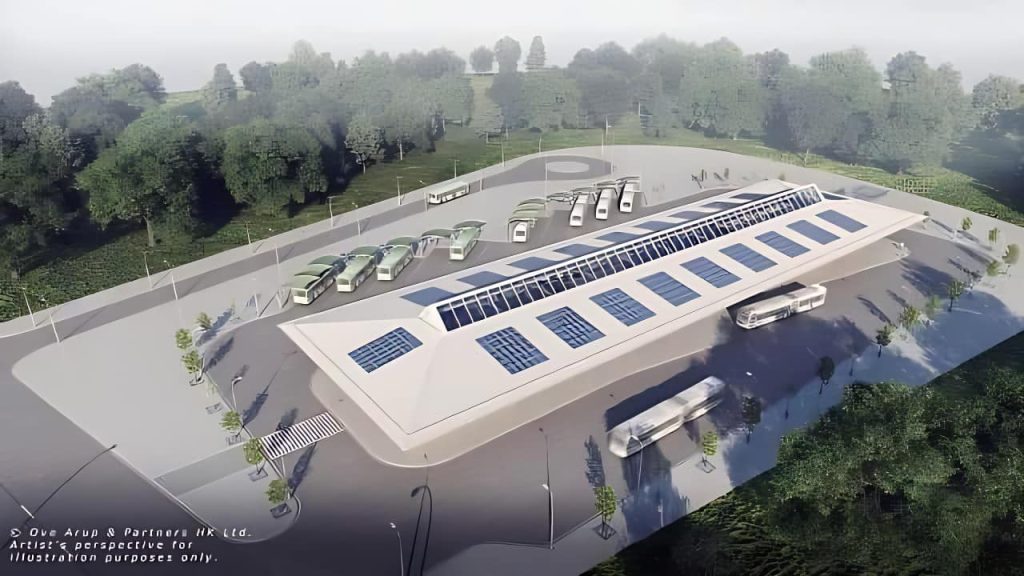
The Davao Bus Project is the Philippines’ first fully integrated citywide bus service, covering 29 routes that span 672 kilometers—enough to seamlessly connect major hubs within Davao City and extend up to Panabo City in Davao del Norte. Designed to carry up to 800,000 passengers daily, the system will reduce reliance on traditional, smaller vehicles and help decongest busy thoroughfares.
The scale of the project is impressive:
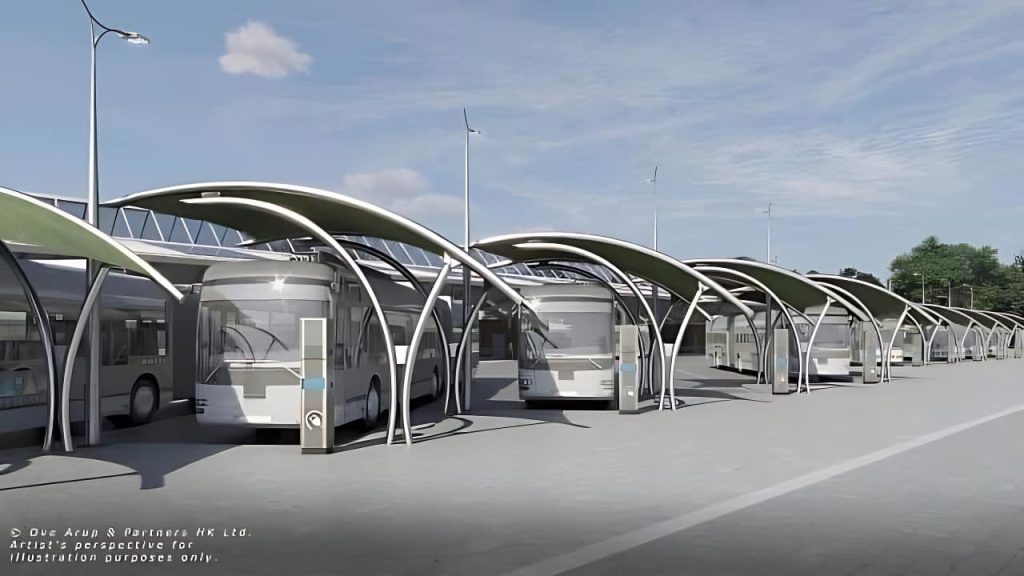
- 1,105 modern buses equipped with clean and efficient technology
- 1,075 bus stops strategically placed for accessibility
- 5 bus depots and 3 terminals for smooth operations
- A dedicated driving school to train professional drivers
- Pedestrian-friendly sidewalks for commuter safety
- Intelligent Transportation System (ITS) to manage traffic flow in real time
By integrating modern technology and infrastructure, Davao is creating not just a transport system, but an entirely new commuting culture.
Inspired by Global Standards
Drawing lessons from successful bus rapid transit (BRT) systems worldwide, and taking cues from Manila’s EDSA Busway, the Davao project will feature dedicated lanes separated from regular road traffic. This ensures faster, more reliable travel times and encourages commuters to shift from private vehicles to public transport.
The system’s design is comprehensive. A core service lane will connect major commercial centers, while nine feeder routes, eight urban routes, and links to outer rural areas ensure inclusivity—bridging communities that were once left behind by poor transport connectivity.
More Than Transport: A Citywide Transformation
Beyond convenience, the DPTMP promises significant environmental and economic benefits. Modern buses will reduce carbon emissions compared to older, smoke-belching vehicles, while improved mobility is expected to boost local businesses and tourism. For daily commuters—students, workers, market vendors, and professionals—the system represents not just shorter travel times but also a more dignified, safe, and predictable way of moving around the city.
“Davao is setting the gold standard,” transport advocates say. “This is not just a bus project; it’s a statement that Filipino cities deserve world-class transport solutions.”
A Glimpse of the Future
The unveiling of the Mintal prototype bus stop is just the beginning. As more bus stops rise across Davao, and as modern buses begin to roll through its thoroughfares, the city will demonstrate what is possible when urban planning meets political will and community support.
If successful, the DPTMP could inspire a ripple effect across the country—finally ushering in the long-awaited era of efficient, modern, and eco-friendly public transportation in the Philippines.
For now, Dabawenyos can look at the modest three-meter shelter outside Mintal Elementary School and see not just a waiting area, but a symbol of progress—a sign that the journey toward a better, faster, and greener way of commuting has already begun.