
Gingoog City, Misamis Oriental — Once a struggling coastal ecosystem, the mangrove forest of Barangay Pangasihan has now become a living testament to what community-driven environmental conservation can achieve.
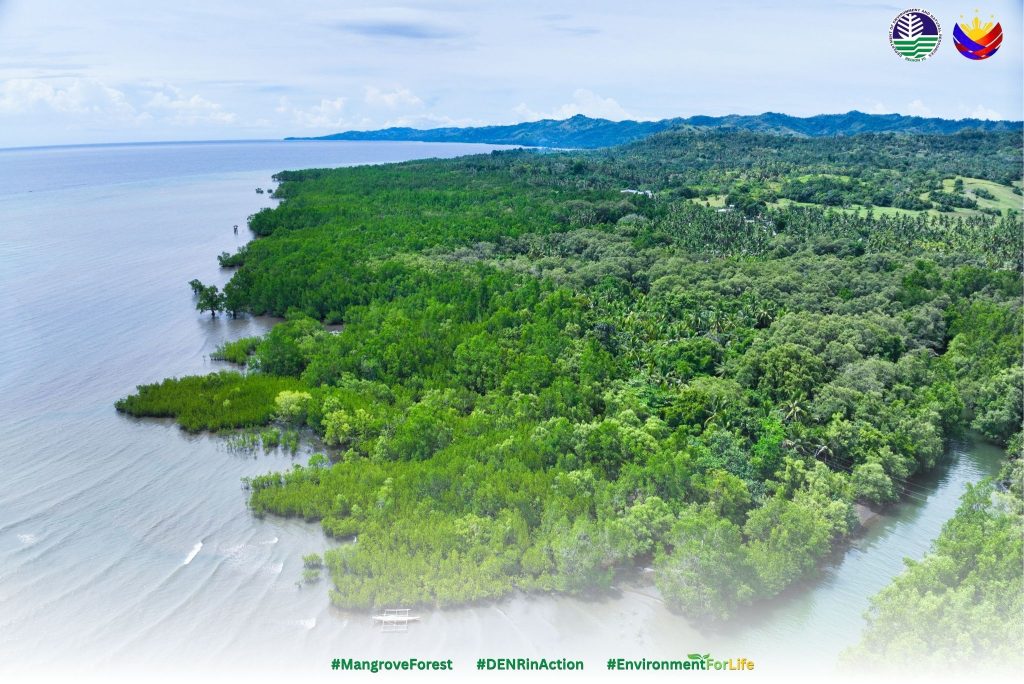
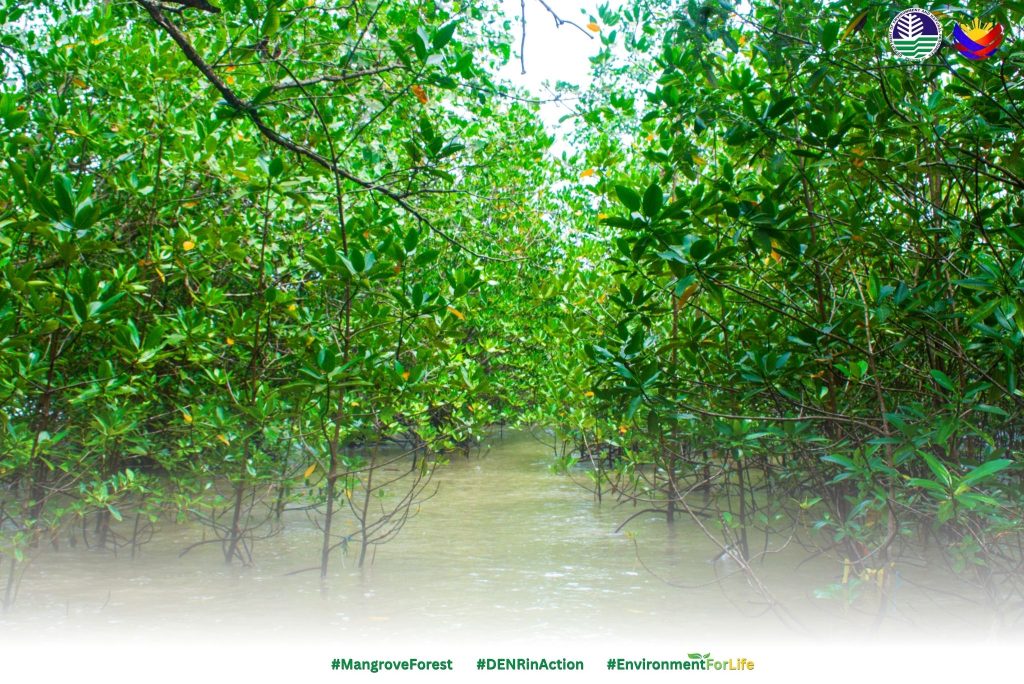
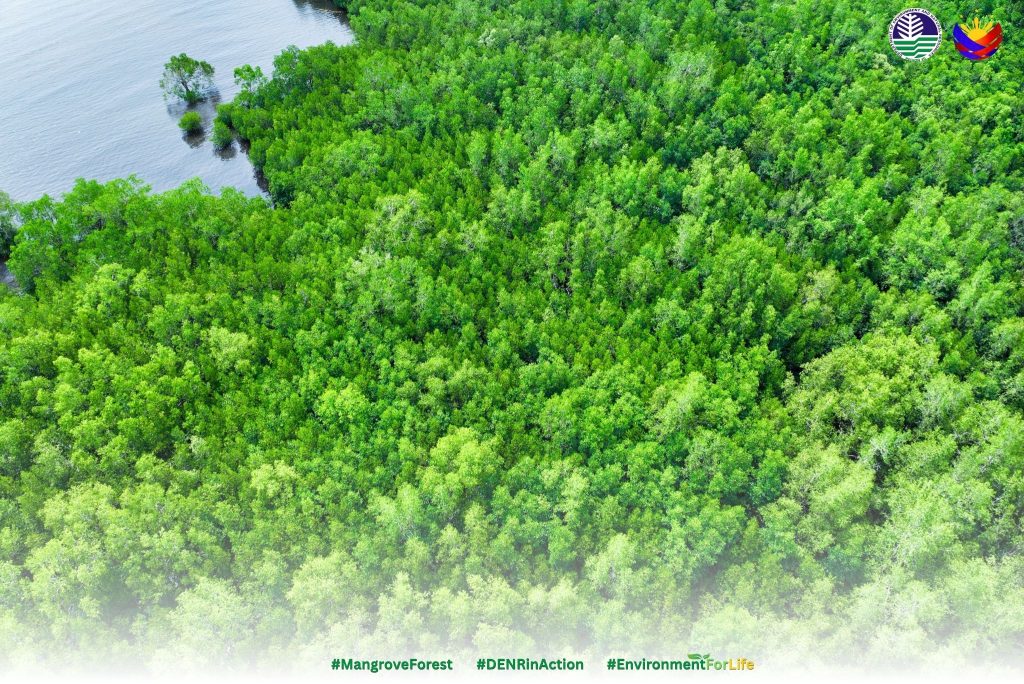
Decades ago, despite residents’ awareness of the importance of mangroves, neglect and lack of coordinated protection led to the deterioration of the area’s natural coastal shield. What once served as a cradle for marine life, a buffer against storm surges, and a nursery for fish gradually turned into a degraded stretch of coastline.
But in the early 1990s, the tide began to turn.
Concerned citizens from Pangasihan took a stand. They organized themselves into the Pangasihan Mangrove Forest Development Organization, determined to restore and protect the mangroves that had protected their community for generations. Partnering with the Department of Environment and Natural Resources (DENR) through the Community Environment and Natural Resources Office (CENRO) in Gingoog, they launched a mangrove reforestation project that would eventually become one of the most successful in the region.
Initially targeting 64 hectares of degraded mangrove lands across Barangays Pangasihan and Talisay, the project was later resurveyed to cover 41 hectares. The reforested area now thrives with native and planted mangrove species—Bakauan-lalaki, Bakauan-babae, Bakhaw-bato, alongside Piapi, Pagatpat, Dungon-late, and Pedada—each playing a unique ecological role.
Conservation didn’t stop with planting.
To ensure the forest’s survival, the community committed to long-term stewardship: regular cleanups to remove marine litter, continuous replanting of mangrove propagules, and daily low-tide patrolling to prevent illegal activities. In 1993, the local government lent its support by declaring the area a “No Game-Hunting Zone” under City Ordinance No. 22, further cementing its protected status.
Two decades later, the movement expanded with the formation of the Pangasihan Gingoog City Coastal Environment Protector Association, Inc., chaired by now Barangay Chairman Edwin B. Clemen. In 2015, the association added 5.75 hectares of mangroves in timberland zones, increasing both the size and resilience of the forest. This extension included additional planting of Bakauan, Piapi, and Pagatpat—proving the community’s unwavering dedication.
Today, the Pangasihan Mangrove Forest stands as Gingoog City’s most diverse mangrove ecosystem, home to a wide array of species including Lagiwliw, Palaypay, Miapi, Tungog, Lapis-lapis, Nilad, and Nipa. It has become a crucial component of the region’s ecological balance, providing food and livelihood for locals, acting as a natural defense against typhoons and erosion, and serving as a habitat for various fish, birds, and invertebrates.
Its importance is now recognized beyond the city. The site is part of the Annual Asian Waterfowl Census and regularly hosts academic field studies and scientific research from schools and universities across the country.
The story of Pangasihan’s mangroves is not merely about environmental restoration—it’s about the power of community, persistence, and pride in place. In a time of increasing climate threats and coastal degradation, Pangasihan stands as a beacon of hope and a replicable model for other coastal communities striving to take back stewardship of their natural resources.
Their success speaks volumes: when people come together to protect what sustains them, the environment fights back—and flourishes.