
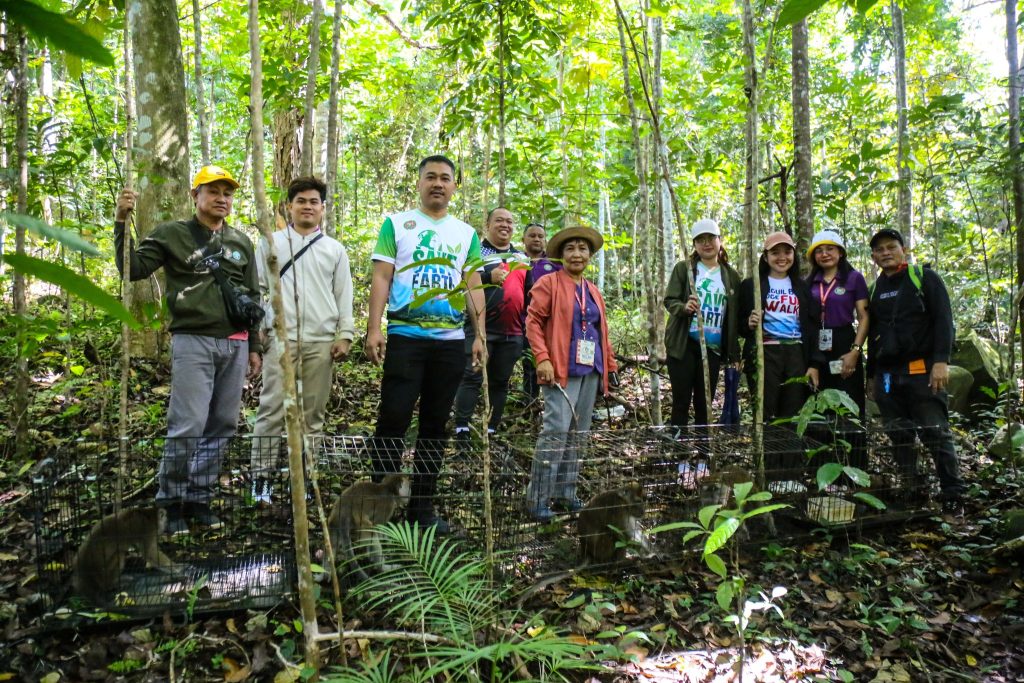
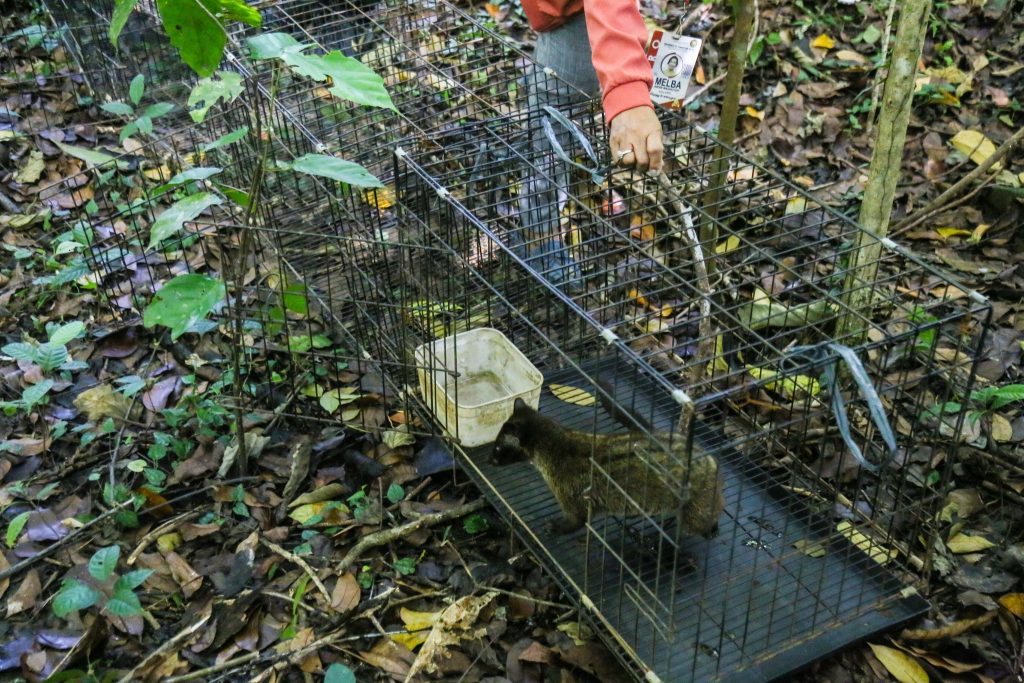
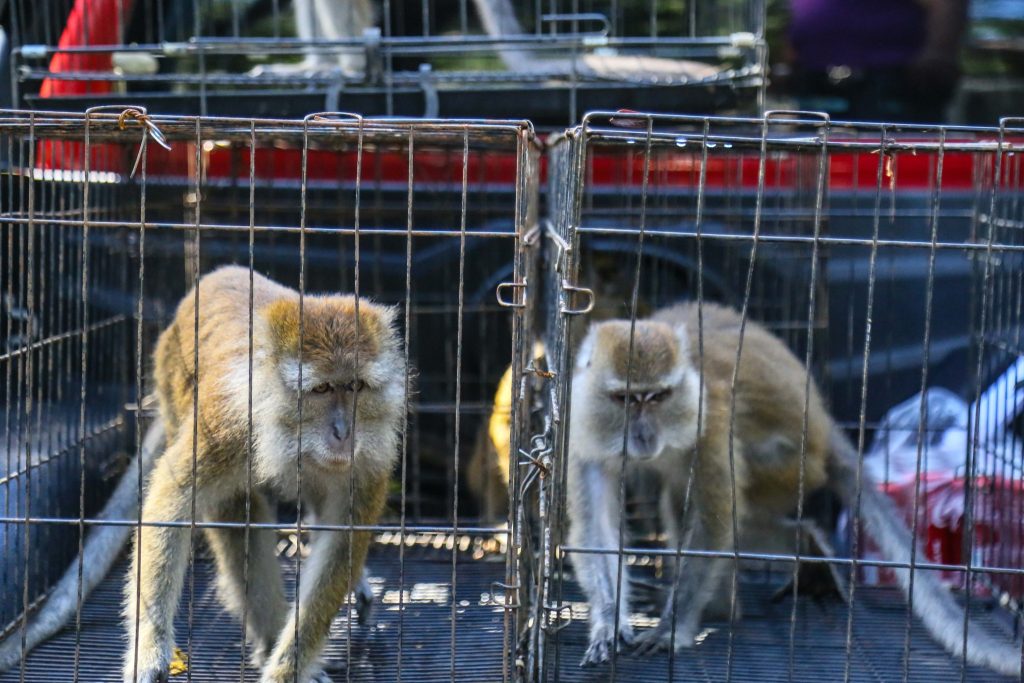
TUBOD, Lanao del Norte – In a significant step toward wildlife conservation, the Provincial Government of Lanao del Norte, through its Environment and Natural Resources Office (ENRO), successfully released three Philippine Long-Tailed Macaques (Macaca fascicularis) and one Philippine Palm Civet (Paradoxurus philippinensis) back into the wild at Mt. Turong-Turong, Tubod, on March 12, 2025.
This release is part of ENRO’s continuing commitment to wildlife preservation under Republic Act No. 9147, also known as the Wildlife Resources Conservation and Protection Act of 2001. The law aims to protect wildlife species and their habitats while regulating their collection and trade to ensure ecological balance.
The ENRO has been actively providing temporary shelter and rehabilitation for rescued wild animals, ensuring they are fit to survive in their natural habitat before their release. Civilians are reminded that keeping wild animals without proper authorization from the Department of Environment and Natural Resources (DENR) is prohibited, making ENRO a key player in their rescue and care.
ENRO Head Melba Maghuyop highlighted the significance of returning these animals to their natural environment, stating, “We released them because they are already fit for the wild, and they cannot be kept indefinitely in our office or rehabilitation center. They are best suited for nature.”
Meanwhile, Sangguniang Panlalawigan Member and Committee Chairman on Environmental Protection, Hon. Abdany Buanding, urged local communities near Mt. Turong-Turong to respect the newly released wildlife. “We want to inform the people, especially those near Mt. Turong-Turong, that we have released these animals here, and we hope they will not be disturbed,” he emphasized.
With its rich biodiversity, Mt. Turong-Turong is being developed into an ecological park aimed at providing a protected space for wildlife while preserving native trees and plants. Authorities stress the importance of allowing the released animals to thrive undisturbed, ensuring their successful reintegration into the wild and the maintenance of the natural habitat’s ecological balance.