
ZAMBOANGA PENINSULA — Twenty-two public utility vehicle (PUV) drivers tested positive for illegal drug use during surprise drug testing conducted by the Philippine Drug Enforcement Agency (PDEA) Regional Office 9 under OPLAN HARABAS at various transportation terminals across the Zamboanga Peninsula ahead of the observance of All Saints’ Day and All Souls’ Day.
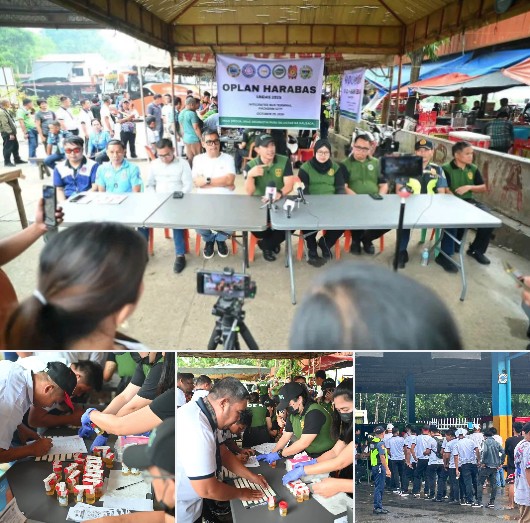
The 22 drivers were among the 1,213 drivers and conductors subjected to surprise drug testing as authorities intensified efforts to promote drug-free public transportation and protect commuters during the expected increase in passenger traffic for the Undas holiday.
Based on the results released by PDEA-9, those who tested positive during the initial screening included one bus driver, one van driver, 17 tricycle drivers, and three jeepney drivers.
Zamboanga City recorded the highest number, with 10 drivers testing positive, followed by Zamboanga del Sur with five, Zamboanga del Norte with four, and Zamboanga Sibugay with three.
PDEA-9 clarified that the initial positive screening results are not yet final. The individuals concerned will undergo confirmatory testing to establish whether they have illegal substances in their systems.
Pending the results of confirmatory testing, the Land Transportation Office (LTO) will temporarily confiscate their driver’s licenses. Those whose results are subsequently confirmed positive will be referred to their respective local Anti-Drug Abuse Councils for appropriate intervention.
Multi-agency operation targets transportation safety
OPLAN HARABAS was implemented through the coordinated efforts of PDEA-9, the LTO, the Land Transportation Franchising and Regulatory Board (LTFRB) Region 9, the Department of Labor and Employment (DOLE) Region 9, the Philippine National Police (PNP), city and provincial Anti-Drug Abuse Councils, integrated bus terminal management offices, Rural Transit Mindanao Inc., and other concerned stakeholders.
Aside from surprise drug testing, PDEA-9 personnel conducted K9-assisted sweeping operations and inspected passenger baggage at transportation terminals to help detect and prevent the possible transport of illegal drugs.
Information, education, and communication (IEC) materials were also distributed to passengers and other members of the public to raise awareness about the dangers of illegal drugs and encourage healthier, drug-free communities.
PDEA-9 Regional Director Babang expressed appreciation to the participating government agencies, local government units, transport operators, and other stakeholders for their cooperation and support in carrying out the operation.
Drug screening results highlight need for continued monitoring
The operation comes at a critical period when bus, van, jeepney, and tricycle services are expected to accommodate increased passenger demand as families travel to cemeteries, memorial parks, and provinces during the Undas holidays.
The 22 initial positive screening results among 1,213 individuals underscore the importance of regular monitoring and coordinated enforcement measures in the public transportation sector. Drivers and conductors are entrusted with the safety of passengers, making their fitness to perform their duties a significant public safety concern.
However, the distinction between initial screening and confirmatory testing remains important. The 22 individuals should not be considered confirmed drug users unless subsequent confirmatory examinations establish the initial findings.
PDEA-9 and its partner agencies said they would continue implementing OPLAN HARABAS to discourage illegal drug use, promote responsible driving, strengthen drug prevention initiatives, and help ensure safer public transportation throughout the Zamboanga Peninsula.
For commuters, the operation serves as a reminder that road safety involves not only vehicle conditions and traffic regulations but also the readiness and fitness of those behind the wheel.