
KORONADAL CITY, South Cotabato — Thirteen minors, including a six-year-old child, were treated for suspected poisoning after eating seeds from a Jatropha plant locally known as kasla or tuba-tuba in Barangay Topland, Koronadal City, on Monday, October 26, 2026.
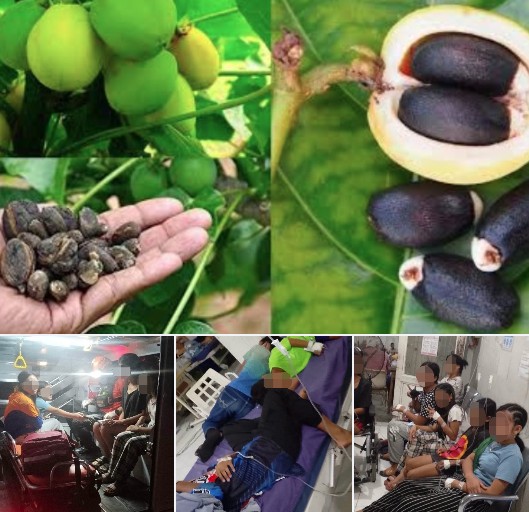
The children reportedly experienced vomiting and dizziness after ingesting the seeds, prompting their transport to the South Cotabato Provincial Hospital for medical attention.
As of the latest information provided, all 13 children were in safe condition. Some had already been discharged, while others remained at the hospital for continued treatment and recovery. Further details about the circumstances of the incident, including how the children obtained and consumed the seeds, were not immediately available.
Toxic seeds pose serious danger to children
The incident highlights the potential danger posed by the seeds of Jatropha plants, which can cause acute poisoning when swallowed. Although the plant may be found growing in residential areas and along roadsides, its seeds are not safe to eat.
The seeds contain toxic substances that can irritate the digestive system and trigger symptoms such as nausea, vomiting, abdominal pain and diarrhea. Dizziness and headaches may also occur. Symptoms can begin within a relatively short period after ingestion, although the timing and severity vary depending on the amount consumed and other factors.
In serious cases, poisoning can lead to severe dehydration, dangerous disturbances in the body’s electrolyte balance and a drop in blood pressure. These complications may become life-threatening, particularly in young children, who can deteriorate rapidly when they lose substantial amounts of fluid.
The seeds may also be mistaken for edible food because their kernels can appear pale and may have a deceptively pleasant taste. This makes accidental ingestion a particular concern among children who encounter the plant while playing outdoors.
Immediate medical attention is critical
Anyone suspected of swallowing Jatropha seeds should receive prompt medical assessment, even if symptoms initially appear mild. There is no established specific antidote for Jatropha poisoning; treatment generally focuses on managing symptoms, preventing dehydration and correcting fluid and electrolyte losses. Medical professionals determine the appropriate treatment based on the patient’s condition and the amount potentially ingested.
Caregivers should not induce vomiting or attempt home remedies unless specifically instructed by a qualified medical professional. Any remaining seeds or plant material may be kept for identification, provided they can be handled safely and without further exposure.
Parents and guardians are also urged to keep children away from unfamiliar plants and to teach them never to eat seeds, fruits or other plant parts unless these have been positively identified as safe.
A reminder for families and communities
The Koronadal incident underscores the importance of identifying potentially poisonous plants in places where children live and play. Residents may help reduce the risk by keeping children away from kasla or tuba-tuba seeds, preventing access to fallen seeds where practical, and seeking professional guidance when the plant’s presence poses a recurring danger.
While all 13 children were reported to be in safe condition, the incident serves as a reminder that seemingly harmless seeds can cause serious illness. Prompt medical attention and preventive measures remain essential in protecting children from accidental plant poisoning.